🗺️ The Component Breakdown: Analyzing Product Types for Smart Sensors
The array of Smart Sensors can be logically divided into two critical functional groups: Security & Access Monitoring and Environmental Awareness & Damage Prevention .
Group 1: Security & Access Monitoring
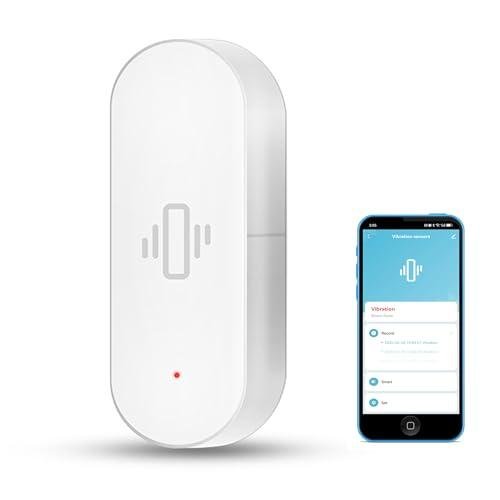
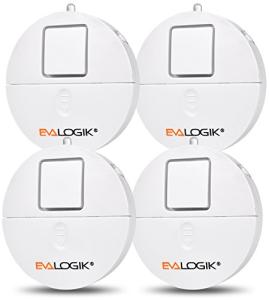
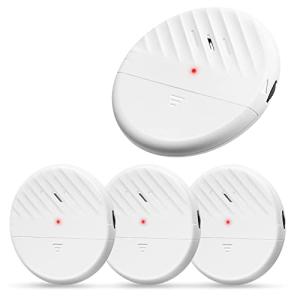
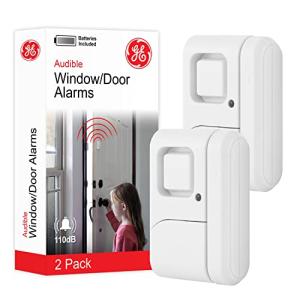
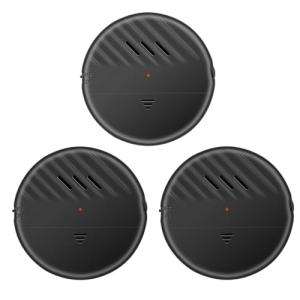
This group includes Contact Sensors , Motion/Presence Sensors , and Glass Break Sensors . These are the core elements for intrusion detection and occupancy-based control.
-
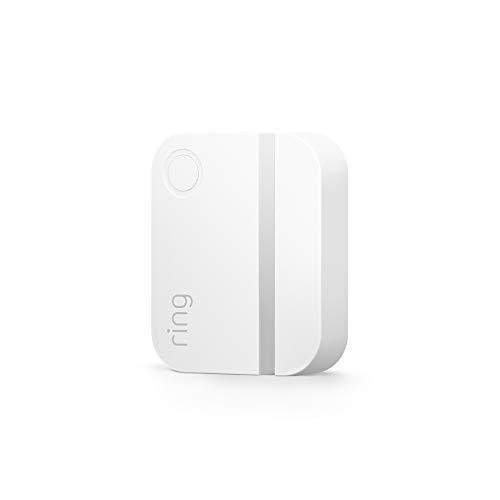
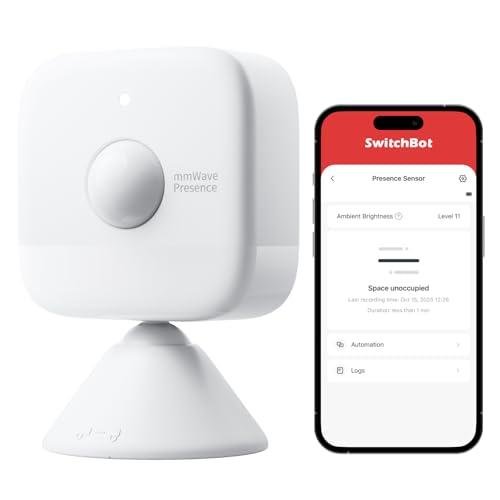
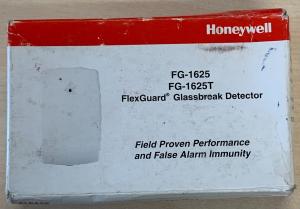
Utility: Contact Sensors are simple but essential, telling you if a door, window, or cabinet is open or closed. They are the frontline defense for Secure Monitoring of all access points. Motion/Presence Sensors not only detect motion for basic security but, in more advanced forms, can detect subtle presence (like breathing), allowing for sophisticated, occupancy-based lighting and climate adjustments, which contributes to Enhanced Comfort . Glass Break Sensors provide a secondary, audio-based layer of security, triggering an alarm if forced entry is attempted via a window.
-
Choice Guidance: Utilize Contact Sensors on all exterior doors and windows as your base layer of Secure Monitoring . Place Motion/Presence Sensors in hallways and common rooms to automate lighting and track activity. The Glass Break Sensor is best deployed in rooms with large, vulnerable windows, providing comprehensive, multi-layered intrusion detection. This combination ensures your security system is both effective and responsive, offering genuine Seamless Control .
Group 2: Environmental Awareness & Damage Prevention
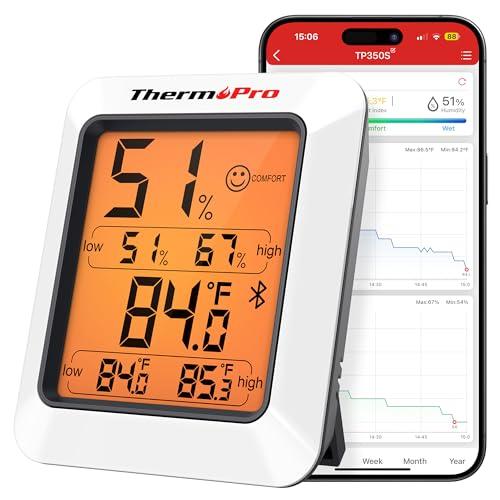
This group focuses on protecting your property from non-security-related hazards, encompassing Environmental Sensors (Temp/Humidity) and Water Leak Detectors .
-
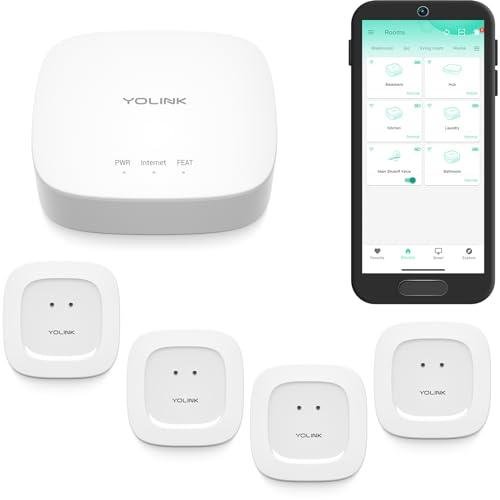
Utility: Water Leak Detectors are vital for property protection, placed in areas prone to leaks (basements, laundry rooms, near water heaters). They provide early warning and can trigger an immediate automated response, like shutting off a smart water valve, preventing costly damage. Environmental Sensors (Temp/Humidity) are critical for automation related to Enhanced Comfort and home maintenance. They feed data directly to smart thermostats or humidifiers, ensuring your heating and cooling is always optimal and energy-efficient.
-
Choice Guidance: Deploy Water Leak Detectors near any potential source of catastrophic water damage—a true aspect of Secure Monitoring . Use Environmental Sensors (Temp/Humidity) strategically in bedrooms or in less-used spaces like attics or garages to ensure that freezing temperatures don't damage property and that climate controls maintain ideal living conditions, thereby maximizing Enhanced Comfort .
Layering & Integration
The strength of a Smart Sensors system comes from layering different sensor types and integrating them with an execution device (like a smart hub or switch).
-
Define the Triggers: Install Contact Sensors on all entry points and layer in Motion/Presence Sensors for interior rooms. This creates the foundational layer of state detection.
-
Add Prevention: Strategically place Water Leak Detectors and Environmental Sensors (Temp/Humidity) in risk zones (e.g., under sinks or in wine cellars) to monitor for environmental deviations.
-
Create Action Loops: Tie sensor inputs directly to actions. For example, when the Contact Sensor on the pantry door opens, it triggers the smart light switch to turn on the light. When the Environmental Sensor reports high humidity, it activates a smart bathroom fan. This creates true Seamless Control where the environment autonomously regulates itself.
-
Maximize Security: Utilize the Smart Sensors to build security protocols: if a door is opened while the Motion/Presence Sensor detects movement and the security system is armed, trigger an immediate alert for comprehensive Secure Monitoring .
🧪 Key Technical Standards and Advanced Use Cases
For Smart Sensors to be truly effective, they must be reliable and run on power-efficient protocols. The best sensors utilize Zigbee and Z-Wave . These protocols allow sensors to run for years on a single coin battery while forming a stable, local mesh network that bypasses Wi-Fi congestion. Crucially, they guarantee the near-instantaneous response time needed for critical functions like emergency alerts or fast-acting motion lighting, ensuring reliable Seamless Control . As you expand, ensure your hub supports new standards like Thread for maximum battery efficiency and modern interoperability.
Advanced Usage: Adaptive Climate and Lighting
You can leverage the detailed data from your Smart Sensors to create sophisticated, energy-saving routines that deliver unparalleled Enhanced Comfort .
-
Scenario (Optimizing the Home Office Environment): You have a Motion/Presence Sensor and an Environmental Sensor (Temp/Humidity) in your home office. The system is programmed to track your presence. When the sensor detects you've left the room for 10 minutes, it automatically sets the smart thermostat back five degrees and dims the smart desk lamp to 10%, saving energy. When you return, the Motion/Presence Sensor triggers the full "Work Mode" scene, restoring the precise temperature and bright, focus-optimized lighting.
-
Proactive Maintenance: A Water Leak Detector in the basement can be programmed to not only send an alert but also to check the Environmental Sensor (Temp/Humidity) nearby. If the humidity is high but there’s no leak, the system recognizes a potential condensation issue and turns on a smart dehumidifier, acting proactively to maintain Enhanced Comfort and prevent mold—a subtle form of preventative Secure Monitoring .
4. Lifestyle Guide
The Simplicity-Seeking User (The Hands-Off Manager)
You want your home to automatically manage basic lighting and report on critical dangers with minimal interaction. Simplicity and "set it and forget it" functionality are key to your desire for Enhanced Comfort .
-
The Fit: Focus on non-intrusive safety and convenience. Water Leak Detectors offer crucial passive Secure Monitoring with zero daily effort. Motion/Presence Sensors provide the simplest form of automated lighting in closets, pantries, and hallways. These Smart Sensors provide high utility for minimal cost and effort, providing truly effective Seamless Control of foundational functions.
-
Recommendation: Water Leak Detectors combined with Motion/Presence Sensors .
The Performance-Focused User (The Data-Driven Protector)
You require comprehensive coverage across all variables—access, movement, and environmental threats. You demand granular data to trigger complex, conditional automation and absolute confidence in your Secure Monitoring system.
-
The Fit: You need a high density of specialized Smart Sensors . Contact Sensors on every window and door, Glass Break Sensors for audio confirmation, and robust Environmental Sensors (Temp/Humidity) in every climate-controlled zone. This layered approach ensures that every change, whether a subtle temperature drop or a security breach, is immediately recognized and addressed by the system. This provides the most complete form of Enhanced Comfort and performance.
-
Recommendation: Contact Sensors combined with Glass Break Sensors and Environmental Sensors (Temp/Humidity) .
The Budget-Expansion User (The High-Impact Layerer)
You are building a security and automation system gradually. You prioritize devices that offer the greatest security or comfort impact for the initial investment, ensuring future-proofed Seamless Control .
-
The Fit: Start with the two most essential types of Smart Sensors : Contact Sensors for perimeter security (front and back doors) and Water Leak Detectors for high-risk appliances (water heater, washing machine). These provide high-impact Secure Monitoring and protection from the two most common home damage threats. Later, you can add Motion/Presence Sensors for lighting automation, scaling up convenience without sacrificing the critical safety foundation.
-
Recommendation: Contact Sensors combined with Water Leak Detectors .
5. COMPLEMENTARY CATEGORY RECOMMENDATIONS
| Recommended Categories |
Why This Category Is Useful Specifically for This Product |
Short Usage Scenario |
| Central Hubs |
Hubs provide the logic engine for Smart Sensors , coordinating their inputs to trigger actions across different protocols (e.g., Z-Wave sensor triggers Wi-Fi light). |
A contact sensor on the door triggers the central hub to unlock the smart lock. |
| Home Security |
Smart Sensors are the eyes of the security system, providing the necessary data (contact, motion, glass break) for Secure Monitoring and alarm activation. |
If a glass break sensor detects an event, the security system siren is immediately activated. |
| Lighting Climate |
Sensors provide the critical environmental inputs required for smart lighting and thermostat automation, enhancing Enhanced Comfort . |
The Environmental Sensor reports low light, causing the smart lighting system to slowly brighten the room. |
| Automation Tools |
The data from sensors (e.g., motion) can be used as a condition to enable or disable the functions of programmable buttons and remotes. |
A motion sensor detects you leaving, automatically locking the system, providing Seamless Control . |
| Smart Displays |
Displays are used to visually check the real-time status of Smart Sensors (e.g., "Front door is open," "Basement temperature is 68°F"). |
Glance at your smart display for a summary of all contact sensor states before you leave the house. |
| Smart Power |
Sensors can trigger smart plugs to turn devices on or off based on proximity or environmental conditions. |
A motion sensor in the closet turns on the light connected to a smart plug when the door opens. |
| Switches Relays |
Sensors work directly with smart switches to create automated lighting, turning them on or off based on room occupancy. |
The Motion/Presence Sensor detects inactivity and automatically turns off the room's smart wall switch. |
By mastering the deployment of Smart Sensors , you are moving your home from being merely connected to being truly intelligent. This foundational technology guarantees reliable Secure Monitoring , anticipates your needs for effortless Enhanced Comfort , and provides the necessary data backbone for true Seamless Control over your entire living environment.