🧩 The HomeTechCorner Blueprint: Understanding Your Product Types and Integration
A truly optimized Lighting & Climate system is built on three interconnected pillars: Core Environmental Control, Atmospheric and Comfort Management, and Water/Perimeter Efficiency.
Core Environmental Control
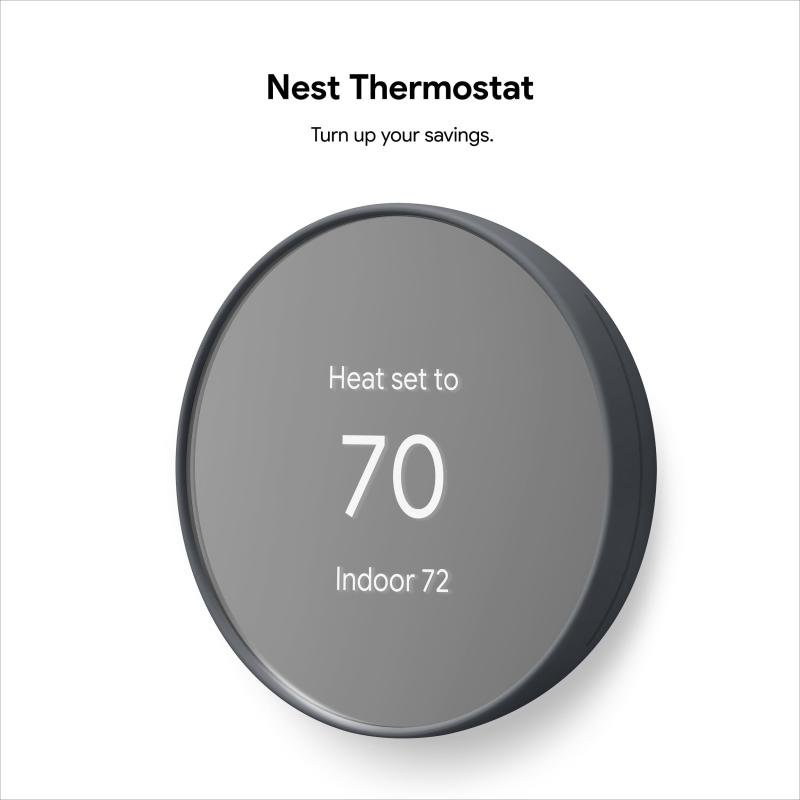
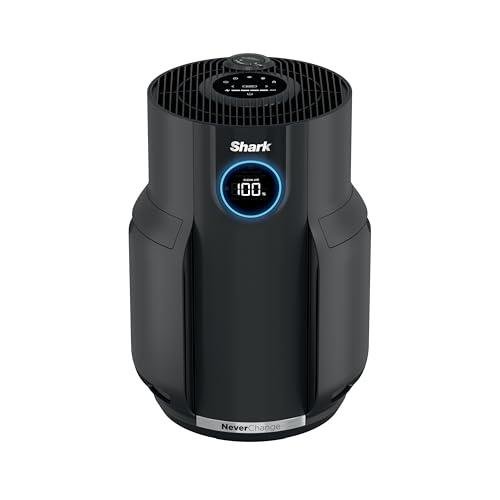
This group manages the foundational elements of temperature and air quality. It includes Learning Thermostats , Programmable Wi-Fi Thermostats , Smart Vent Systems , Smart Heaters/Radiator Valves , HEPA Air Purifiers , and Air Quality Monitors . These devices do more than just maintain a set temperature; they learn your habits and adjust zone-by-zone. For a suburban home in Texas battling triple-digit summers, a Smart Vent System used with a Learning Thermostat ensures that unused rooms don't receive excessive cooling, achieving maximum efficiency and Smart Living .
Atmospheric and Comfort Management
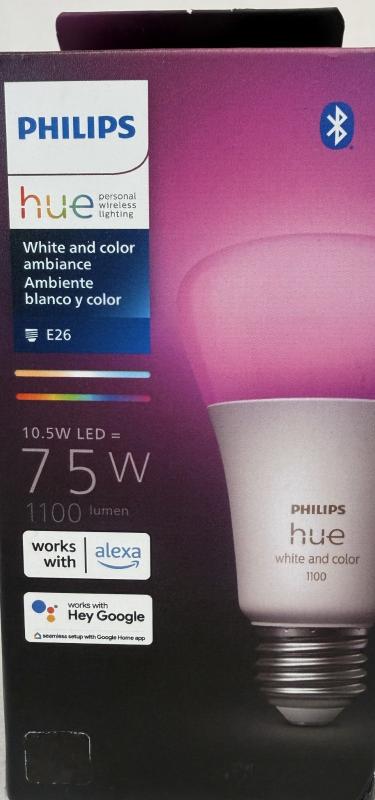
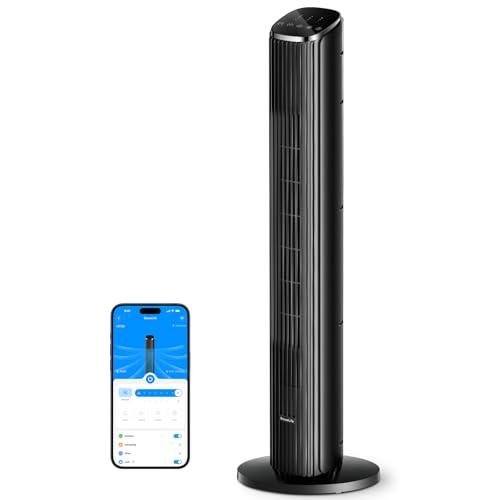
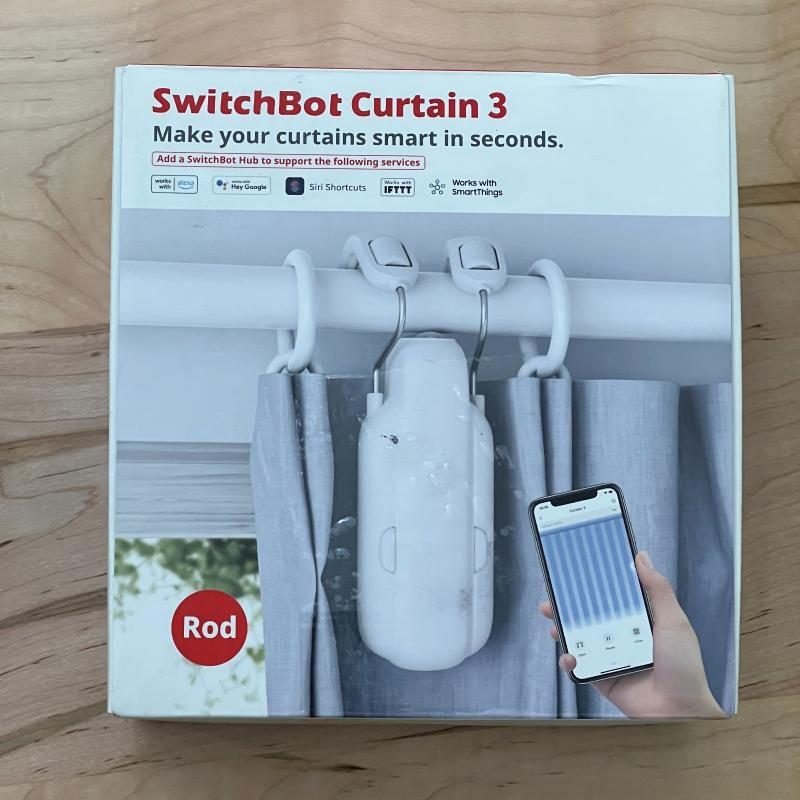
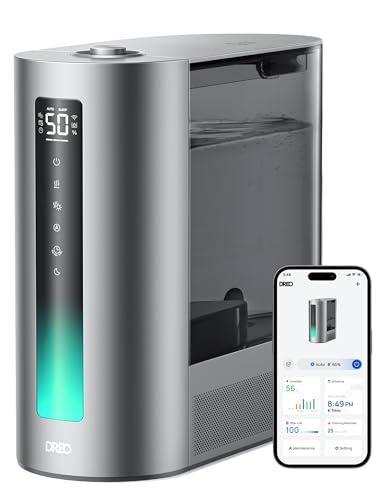
This layer focuses on mood, ambiance, and nuanced air quality. It encompasses lighting elements like Color/White Ambiance Bulbs , Smart Light Strips , and Filament Bulbs , as well as specialized air devices such as Wi-Fi Humidifiers , Smart Dehumidifiers , and Air Circulators . Furthermore, Smart Blind/Curtain Motors and Motorized Roller Blind Kits are critical here, controlling natural light and solar heat gain. This combination allows for dynamic Home Automation where the lighting shifts from a cool white during the day to a warm ambiance in the evening, enhancing the overall Integrated Experience .
Water and Perimeter Efficiency
Often overlooked, the integration of exterior controls provides crucial efficiency and landscape management. This includes Smart Sprinkler Controllers , Smart Soil Moisture Sensors , Outdoor String Lights , and Smart Landscape Spotlights . This ensures that your green spaces are as smart as your interior. For a cabin needing remote monitoring, a Smart Sprinkler Controller ensures the lawn stays healthy without overwatering, all managed through your Lighting & Climate app, offering significant water conservation and peace of mind.
System Sequencing for Cohesive Automation
To achieve a true Integrated Experience , start with the Core Environmental Control (installing your Thermostats ). Next, layer in the Atmospheric and Comfort Management devices (bulbs, fans, and blind motors). Finally, link all devices using Home Automation routines. For example, a "Sunset" routine can automatically lower the Smart Blind/Curtain Motors , shift the Color/White Ambiance Bulbs to a warm color, and slightly adjust the Smart Vent System settings, all triggered by a single time or event. This structured approach ensures every component supports a unified Smart Living goal.
🔌 Key Tech Principles and Ecosystem Synergy
The complexity of managing both light and climate requires a strong focus on interoperability, protocols, and sensory input to maximize the benefits of Lighting & Climate .
Protocol Standardization and Interoperability
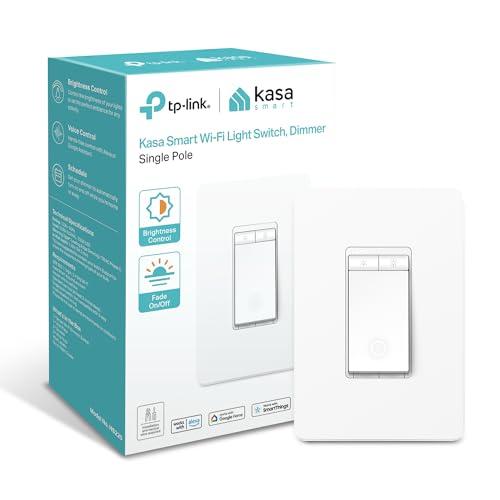
The sheer variety of devices, from low-power sensors to high-power fans, makes protocol standardization vital. The presence of Matter-Compatible Bulbs is a strong indicator that future-proofing demands cross-platform compatibility. This allows a Smart Wall Switch from one brand to directly control a Smart Ceiling Fan from another, ensuring your Integrated Experience is not locked into a single ecosystem. This seamless interaction is the hallmark of effective Home Automation .
Sensory and Zonal Intelligence
The listed product types emphasize granular control. Devices like Air Quality Monitors and the implicit use of temperature sensors by Learning Thermostats mean your system constantly gathers environmental data. This sensory input is used to drive practical Smart Living routines. For instance, high particulate levels detected by the Air Quality Monitor can automatically trigger a HEPA Air Purifier and adjust the Smart Exhaust Fan , taking action immediately and intelligently without requiring manual input.
Energy-Efficiency through Integration
The ultimate benefit of an integrated Lighting & Climate system is energy savings. By linking different sub-categories, you minimize waste. For example, if a Smart Blind/Curtain Motor closes to block direct sun, the Learning Thermostat registers the passive cooling effect and reduces the AC output. This dynamic, proactive control, driven by automated routines, ensures that your powerful system is operating efficiently, truly delivering on the promise of Smart Living through optimal Lighting & Climate management.
4. Lifestyle Guide
The Lighting & Climate category offers adaptable solutions that can be scaled and customized to fit virtually any household dynamic or structure across the US.
The Budget-Conscious User
Persona Role: The First-Time Homeowner (Age 30s) focused on initial energy savings and basic remote control.
The Fit: Your priority is maximizing efficiency where it counts—namely heating and primary lighting—with minimal upfront investment. You can achieve significant savings and core Smart Living functionality by replacing key infrastructure components. By focusing on highly effective, yet affordable, items, you lay a solid foundation for future Home Automation without stretching your budget.
Recommendation: Programmable Wi-Fi Thermostats + Color/White Ambiance Bulbs + Smart Wall Switches . The thermostat gives you energy control, the bulbs upgrade your daily lighting, and the wall switches handle fixtures that can't take smart bulbs, providing a powerful, budget-friendly Integrated Experience .
The Integration Enthusiast
Persona Role: The Tech-Savvy Manager (Age 40s) who desires total environmental control, optimal air quality, and dynamic scheduling.
The Fit: You demand a complex system that monitors every variable, from humidity to CO2 levels, and reacts instantly. Your focus is on achieving the perfect, highly customized environmental conditions in every zone of your home. You need top-tier interoperability and advanced diagnostics to perfect your Lighting & Climate Integrated Experience .
Recommendation: Learning Thermostats + Smart Vent Systems + HEPA Air Purifiers . This combination provides zoned, learned temperature control, eliminates hot/cold spots, and guarantees superior air quality, creating the most advanced form of Smart Living and Home Automation .
The Multi-Zone User
Persona Role: The Large Family Manager (Age 50s) overseeing a large, multi-story home with diverse needs, from outdoor gardens to basement humidity control.
The Fit: Your challenge is complexity, encompassing interior comfort, external watering, and specialized zones like garages or finished basements. You need devices that are reliable across broad physical distances and varying microclimates. Your Lighting & Climate strategy must ensure that all zones, inside and out, are efficiently managed for a unified Smart Living environment.
Recommendation: Smart Blind/Curtain Motors + Smart Sprinkler Controllers + Smart Dehumidifiers . This addresses the vast window surface area in a large home (shades), ensures efficient exterior watering, and controls humidity in problem areas like basements, providing comprehensive, multi-zone Home Automation .
5. COMPLEMENTARY CATEGORY RECOMMENDATIONS
| Recommended Categories |
Why This Category Is Useful Specifically for This Product |
Short Usage Scenario |
| Smart Home Control |
Central hubs and software licenses found here serve as the brain for advanced environmental routines and scheduling. |
Your Smart Sprinkler Controller (Water Irrigation) is scheduled and automated using your Smart Home Control hub's routine engine. |
| Smart Sensors |
External sensors (motion/contact/temp/humidity) provide real-time data input necessary to trigger reactive climate and lighting changes. |
A Motion/Presence Sensor (Smart Sensor) detects you entering the room and triggers the Smart Wall Switches (Lighting/Climate) to turn on. |
| Voice Assistants |
Voice control is the most common interface used to adjust lights, shades, and thermostat settings in a hands-free manner. |
You tell your Voice Assistant to "Set the basement fan to high," directly controlling the Smart Tower Fan (Lighting/Climate). |
| Automation Tools |
Devices like smart buttons or remotes allow for instant execution of complex environmental 'scenes' (e.g., 'Movie Mode'). |
Pressing a Wireless Programmable Button (Automation Tools) triggers a scene that dims the Smart Light Strips and closes the Smart Curtain Tracks . |
| Smart Power |
Smart Plugs allow non-smart portable fans or heaters to be integrated into the automated Lighting & Climate schedules. |
A basic portable fan plugged into an Energy Monitoring Smart Plug (Smart Power) is turned on when the Learning Thermostat (Lighting/Climate) hits 76°F. |
| Smart Displays |
Displays provide a centralized, visual dashboard for monitoring climate metrics (temp, humidity, air quality) across all zones. |
You use your Smart Display to view the live air quality readings reported by your Air Quality Monitor and manually adjust the fan speed. |
| Home Security |
Integrating perimeter lighting (often found here) with motion sensors provides both security and exterior convenience lighting. |
Motion-Sensing Fixtures (Lighting/Climate) detect activity and trigger a security alert if the system is armed. |
| Smart Relays Switches |
Provides the necessary in-wall control devices (dimmers, relays) to integrate legacy lighting and HVAC controls into the smart ecosystem. |
An older chandelier is integrated into the system using a Smart Dimmer (Switches/Relays), allowing it to participate in Lighting & Climate scenes. |
By committing to a full Lighting & Climate system, you are designing a home that constantly optimizes itself for your wellbeing and budget. This commitment to an Integrated Experience delivers significant long-term energy savings, unparalleled comfort, and truly responsive Home Automation . Step forward with confidence and build your ultimate Smart Living environment today.