🧩 The HomeTechCorner Blueprint: Understanding Your Product Types and Integration
Building an automated Kitchen And Utility system relies on three functional pillars: Precision Cooking, Preparatory Efficiency, and Utility Automation. Understanding these areas allows you to build a comprehensive, hands-off system.
Precision Cooking and Meal Prep
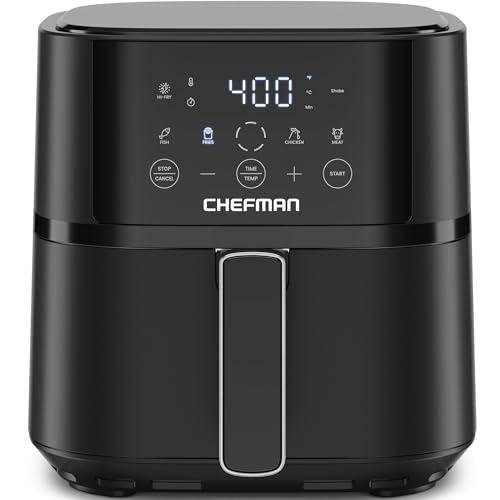
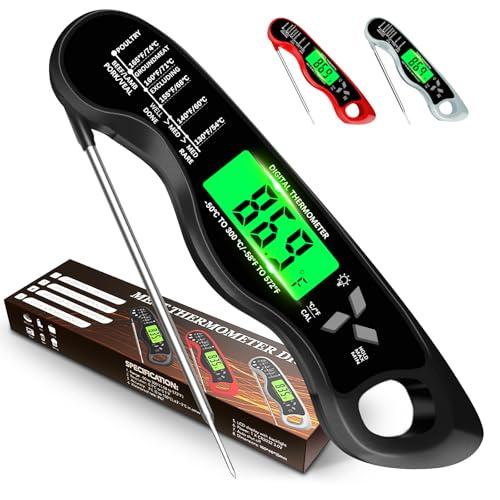
This layer encompasses devices focused on food preparation and cooking accuracy. It includes Smart / Wi-Fi Air Fryers , Smart Multi-Cookers , Sous Vide Cookers , Smart Microwaves , and tools like Smart Meat Thermometers and Smart Food Scales . These intelligent devices eliminate guesswork, ensuring consistent quality. Consider a busy apartment in NYC where time is short: you can remotely preheat your Smart Multi-Cooker and monitor the core temperature of your roast via the Smart Meat Thermometer from your office, achieving perfect results right on schedule. This is the essence of Home Automation applied to the culinary arts.
Prep and Daily Efficiency
This group covers the tools that support the cooking process and everyday consumption. Products here include Smart Coffee Makers , Smart Cutting Boards , High-End Smart Blenders , and even simple but essential items like Kitchen Dispensers and Trash & Waste Solutions . These elements ensure a smooth workflow and a high degree of sanitation. For instance, a Smart Coffee Maker can be scheduled through your Smart Living routine to brew immediately when your wake-up alarm sounds, making your morning efficient and seamless.
Utility and Home Maintenance
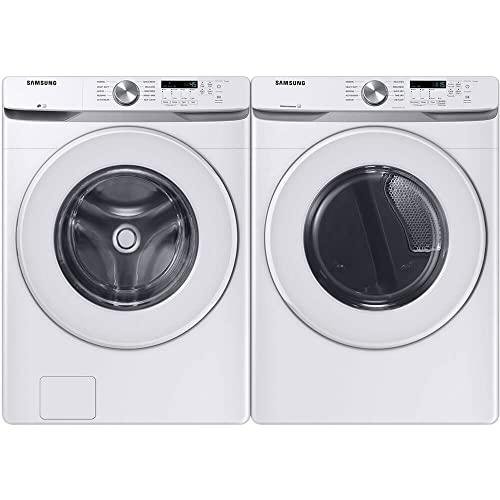
This section addresses the foundational infrastructure and maintenance areas, primarily centered around laundry and water management. It includes Laundry Appliances , Water Heaters , and devices focused on post-cooking cleanliness like Dish Dryers / Sanitizers and Cleaning Appliances (non-robotic) . A truly integrated Kitchen And Utility system optimizes energy usage here. A modern Smart Washer / Dryer can check utility rates and automatically delay its cycle until power is cheaper, which is especially beneficial for a suburban home in Texas looking to save on peak-hour utility charges, delivering a measurable Integrated Experience benefit.
System Sequencing for Cohesive Automation
Start your smart journey by upgrading your Utility Automation first (e.g., smart water heater or washer) for immediate efficiency gains. Next, integrate the core Precision Cooking devices (e.g., smart oven, multi-cooker). Finally, layer in the Preparatory Efficiency tools ( Smart Coffee Makers , smart scales). The true Home Automation is achieved when these sub-categories communicate: for example, your smart kitchen hub can initiate a countdown timer on your display based on the temperature reading from your Sous Vide Cooker , providing an ultimate Integrated Experience across your kitchen tasks.
3. 🔌 Key Tech Principles and Ecosystem Synergy
The complexity of the Kitchen And Utility category demands reliable power, specialized sensor integration, and high-quality connectivity to ensure safety and precision.
Precision Sensing and IoT Control
The primary technological advancement here is the proliferation of high-accuracy sensors in cooking tools. Devices like Smart Food Scales and Smart Meat Thermometers rely on Wi-Fi or Bluetooth to send precise, real-time data back to your smartphone or central hub. This data-driven approach allows for fine-tuning your Home Automation routines, such as ensuring a cooking cycle completes exactly when your gym workout ends. This focused reliance on accurate data elevates your culinary Smart Living far beyond simple timers.
Reliability and Infrastructure
The utility segment demands robustness. Water Heaters and Laundry Appliances need reliable connectivity (often Wi-Fi direct) for remote monitoring and scheduling. Because the kitchen often houses multiple high-wattage devices (Air Fryers, Countertop Ovens), seamless network connectivity is paramount for a non-disrupted Integrated Experience . The best systems offer deep integration with energy monitoring tools (often found in the Smart Power category) to actively manage and schedule high-draw appliances to maximize savings.
Cross-Category Integration
To future-proof your Kitchen And Utility system, look for appliances that integrate with voice platforms and displays. For instance, you should be able to ask your voice assistant to start preheating your Smart / Wi-Fi Air Fryer or check the wash cycle status on your countertop smart display. By layering different product types—like pairing a simple Smart Microwave with Smart Cutting Boards that feature digital weighing—you extend the functionality of simpler devices, achieving complex, high-value Home Automation routines.
4. Lifestyle Guide
The Kitchen And Utility category is flexible enough to cater to distinct user needs, from the budget-focused user to the culinary professional.
The Budget-Conscious User
Persona Role: The First-Time Homeowner (Age 30s) who prioritizes safety, basic remote control, and efficiency.
The Fit: You are looking for high-utility smart features without the premium price tag. You can achieve foundational Smart Living and efficiency by focusing on devices that offer substantial energy or time savings. The goal is a highly functional Integrated Experience in the two busiest rooms of the home using minimal, yet powerful, tools.
Recommendation: Smart Coffee Makers + Smart / Wi-Fi Air Fryers + Smart Meat Thermometers . The coffee maker provides daily convenience, the air fryer offers quick, healthy cooking, and the meat thermometer guarantees cooking safety and precision, all for an affordable, high-impact Kitchen And Utility setup.
The Integration Enthusiast
Persona Role: The Tech-Savvy Remote Worker (Age 40s) who needs maximum precision, high-end appliance performance, and total Home Automation control.
The Fit: You view your kitchen as a lab for precision and efficiency. You require appliances that not only connect but share data seamlessly to execute complex, multi-step routines. Your Smart Living demands the absolute best, from high-fidelity blending to expert-level sous vide cooking, all managed through a unified Integrated Experience platform.
Recommendation: Smart Multi-Cookers + High-End Smart Blenders + Sous Vide Cookers . This combination provides the tools for advanced culinary techniques, all capable of deep integration and remote control, making your kitchen a powerhouse of Home Automation .
The Multi-Zone User
Persona Role: The Large Family Manager (Age 50s) who handles large volumes of cooking and laundry, requiring durable, high-capacity, and low-maintenance solutions.
The Fit: Your challenge is volume and longevity, needing appliances that can handle constant use while simplifying complex, recurring tasks. You benefit most from utility automation and low-maintenance kitchen solutions. Your Kitchen And Utility setup must be built for reliable, family-wide Smart Living and effortless upkeep.
Recommendation: Laundry Appliances + Dish Dryers / Sanitizers + Trash & Waste Solutions . Focusing on high-capacity, automated utility (laundry, dish sanitization) paired with smart waste management provides the greatest simplification for a large, busy household, maximizing the Integrated Experience benefit where it is needed most.
5. COMPLEMENTARY CATEGORY RECOMMENDATIONS
| Recommended Categories |
Why This Category Is Useful Specifically for This Product |
Short Usage Scenario |
| Smart Home Control |
Control hubs serve as the centralized brain for scheduling appliance operations (e.g., delayed wash cycles, coffee brewing). |
Your Smart Coffee Maker (Kitchen) is triggered by a "Wake Up" routine managed by your Smart Home Control hub. |
| Smart Displays |
Displays provide the visual interface for following smart recipes, checking laundry status, and viewing cooking timers. |
You view step-by-step instructions for a recipe directly on a Smart Display while monitoring the Smart Multi-Cooker status. |
| Voice Assistants |
Voice is the primary hands-free interface for starting appliances, setting timers, and adding items to a grocery list while cooking. |
You use your Voice Assistant to start preheating your Smart / Wi-Fi Air Fryer while your hands are busy prepping food. |
| Smart Power |
Smart Plugs can be used to add basic remote control and energy monitoring to non-smart kitchen and utility appliances. |
A traditional Slow Cooker is plugged into an Energy Monitoring Smart Plug (Smart Power) to monitor its power consumption. |
| Smart Sensors |
Water leak detectors are critical for placement near water heaters, laundry appliances, and dishwashers for early warning. |
A Water Leak Detector (Smart Sensors) in the laundry room detects a leak near your Laundry Appliance and sends an alert. |
| Lighting Climate |
Smart lighting can enhance kitchen ambiance and utility lighting, and smart fans can manage cooking odors. |
The Smart Lighting (Lighting/Climate) is automatically set to a bright, cool white when the Smart Cutting Board is in use. |
| Home Security |
Security cameras can be used as baby/pet monitors in the kitchen or to remotely check if appliances like the oven are turned off. |
You use an Indoor Security Camera (Home Security) to verify that your Countertop Oven has been turned off remotely. |
| Networking Gear |
Reliable Wi-Fi is essential for the many app-controlled smart kitchen appliances that require consistent connectivity. |
Your Smart Coffee Maker requires a stable connection from your Networking Gear to receive scheduled brewing commands. |
By focusing on the integrated devices in the Kitchen And Utility category, you are choosing efficiency and precision over manual labor. This commitment to an Integrated Experience delivers significant time savings, guaranteed results for cooking, and essential Home Automation across your busiest domestic spaces, securing your effortless future of Smart Living .