🧩 The HomeTechCorner Blueprint: Understanding Your Product Types and Integration
Building effective Smart Home Control relies on a clear hierarchy of components. We can logically group the available product types into three core pillars: The Brains, The Interface, and The Muscle . Understanding their roles is key to achieving a truly integrated experience.
Central Hubs and Controllers (The Brains)
The foundation of your system must be a strong central processor. Products like DIY Smart Home Hubs , Dedicated Home Automation Controllers , and Multi-Protocol Hubs (Matter/Thread) are the brains. These components ensure that a contact sensor from one brand can trigger a smart dimmer from another. For a suburban home in Texas, where summer energy costs are a major concern, pairing a dedicated controller with Smart Home Software Licenses allows for complex, energy-saving routines that a simple speaker cannot manage alone.
User Interaction and Feedback (The Interface)
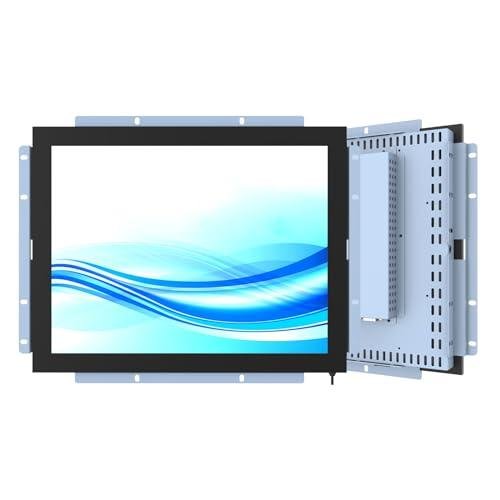
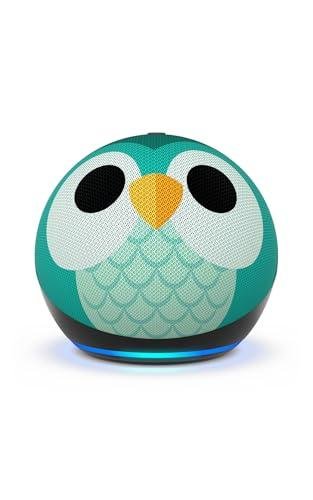
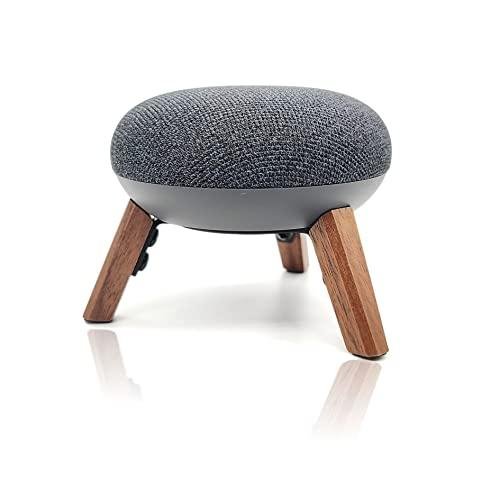
Once you have a brain, you need intuitive ways to communicate with it. This is where Smart Clock Displays , Mid-Size Displays (8-10") , Dedicated Control Panels , and Smart Hub Speakers come in. These items allow for voice commands, visual feedback, and quick, tactile adjustments. Think of a busy apartment in NYC: rather than fumbling for a phone, you can glance at a Large Screen Display (15"+) acting as a central dashboard to confirm the security status and adjust the lighting, maintaining your seamless Smart Living experience.
Automation and Sensing (The Muscle)
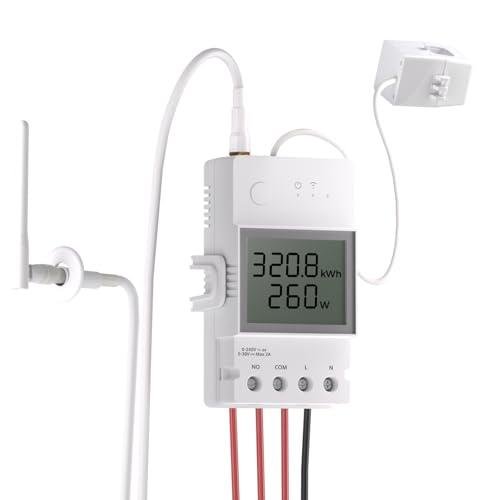
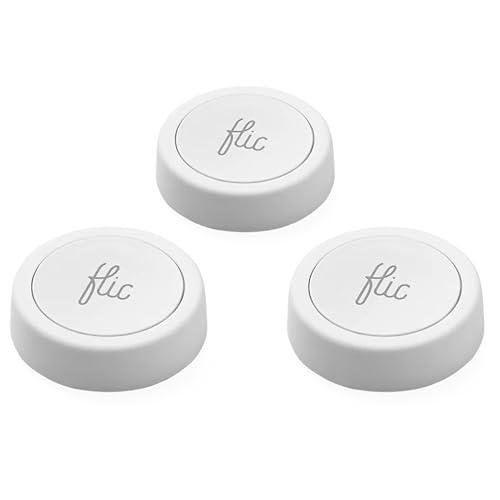
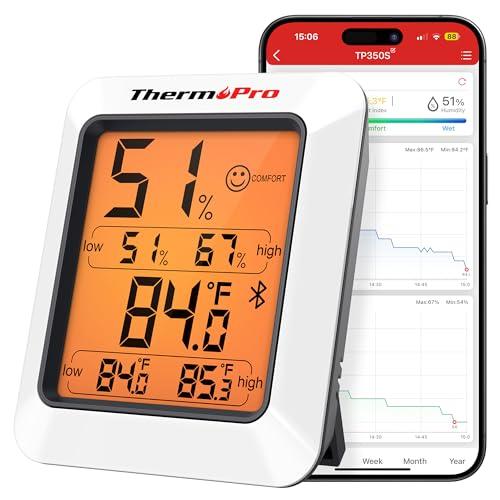
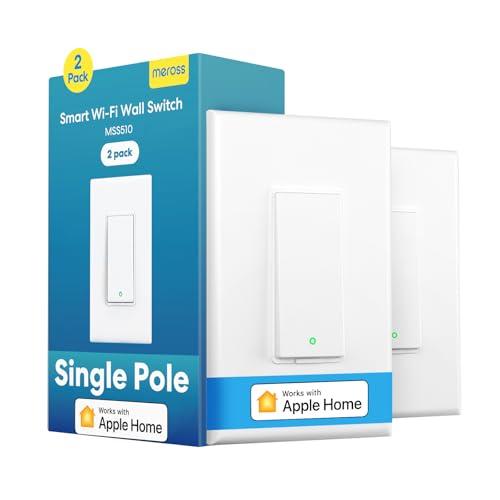
These products represent the actual points of action and data collection throughout your home. This group includes Contact Sensors , Motion/Presence Sensors , Environmental Sensors (Temp/Humidity) , Smart Wall Switches , Smart Wall Outlets , and Energy Monitoring Smart Plugs . These are the eyes, ears, and hands of your Smart Home Control . A Water Leak Detector in the laundry room provides a critical security layer, while a Wireless Programmable Button by the front door allows you to instantly trigger a complex "Leaving Home" routine that locks the doors and adjusts the climate.
System Sequencing for Cohesive Automation
Achieving a complete, automated system requires sequencing these groups. Start with The Brains (e.g., a Multi-Protocol Hub ) to establish a consistent communication backbone. Next, deploy The Muscle (sensors and smart plugs) to gather data and control discrete devices. Finally, integrate The Interface (displays and smart speakers) for convenient access. This sequence ensures your system is not just controlled, but truly autonomous , fulfilling the promise of Home Automation and delivering an effortless Smart Living environment.
🔌 Key Tech Principles and Ecosystem Synergy
To guarantee a reliable, truly Integrated Experience , you must prioritize ecosystem compatibility, particularly regarding communication protocols. The product types listed, especially the proliferation of new multi-protocol hubs, clearly point to the need for devices that speak a common language.
Protocols and Interoperability
Your Smart Home Control system should operate on open standards like Matter and Thread . The presence of Multi-Protocol Hubs (Matter/Thread) on the list signals that we are moving past single-brand ecosystems. When you choose devices, verify their compatibility. This layering of technology ensures that your security kit's Contact Sensors can communicate directly with your Smart Dimmers to trigger a "lights on upon entry" scene, regardless of the original manufacturer.
Power Management and Reliability
A truly integrated home demands uninterrupted functionality. The inclusion of Power Backup Solutions and Smart Circuit Breakers addresses critical reliability needs. For a cabin needing remote monitoring in a rural area, a simple power outage can halt all Smart Home Control . Utilizing a Power Backup Solution for your central hub ensures that remote access remains possible, and critical Water Leak Detectors or Glass Break Sensors remain active, providing peace of mind and supporting your reliable Smart Living structure. Furthermore, Energy Monitoring Smart Plugs are crucial for practical use, allowing you to track and reduce consumption, directly contributing to an energy-efficient home and an Integrated Experience that saves you money.
Future-Proofing with Layers
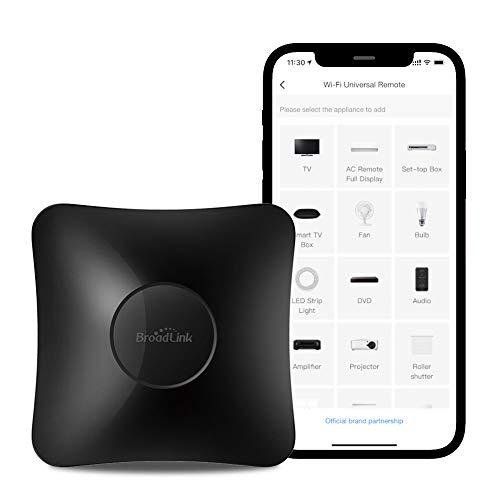
Adaptation is crucial for long-term Smart Living . Future-proof your setup by layering complementary sub-categories. For instance, you might start with Smart Wall Switches for lighting control (a simple installation) and later add Motion/Presence Sensors for hands-free automation in high-traffic areas. Similarly, an entry-level security system can be enhanced with a Smart Bridge Device to connect specialized components like Universal Smart Remotes or Smart Wall Controllers , creating sophisticated automation sequences that continuously evolve to meet your family's needs. This holistic approach ensures your Smart Home Control system remains relevant and high-performing for years.
4. Lifestyle Guide
Your approach to Smart Home Control should be as unique as your lifestyle. The beauty of this diverse product category is its ability to scale and customize.
The Budget-Conscious User
Persona Role: The First-Time Homeowner (Age 30s) who values energy efficiency and foundational security above all.
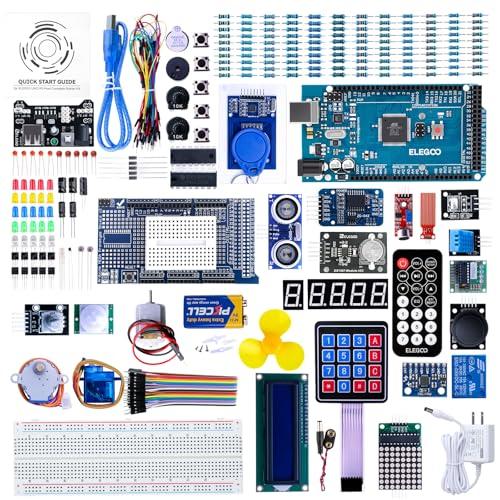
The Fit: Your primary focus is on maximizing utility without committing to expensive, full-home overhauls. You can achieve an advanced level of Home Automation and Smart Living by strategically using low-cost components that integrate directly with existing infrastructure. Products like Entry-Level Automation Kits and core sensing devices offer incredible returns on investment. This focused approach provides a highly functional Integrated Experience while keeping costs predictable.
Recommendation: Energy Monitoring Smart Plugs + Contact Sensors + DIY Smart Home Hubs . Start small. Use the plugs to automate and monitor high-draw appliances and use the sensors for simple door/window security, all managed by an affordable, yet flexible, DIY Hub.
The Integration Enthusiast
Persona Role: The Tech-Savvy Manager (Age 40s) who demands seamless communication between all devices, prioritizes reliability, and wants total control.
The Fit: You are looking for the absolute best Smart Home Control backbone. Your focus should be on high-end, dedicated components that guarantee multi-protocol compatibility and performance. You view the entire system as a centralized platform for Integrated Experience and Home Automation . Products like Dedicated Home Automation Controllers and Smart Home Software Licenses are essential to writing the complex routines you desire. This allows you to build a sophisticated and flawless Smart Living environment.
Recommendation: Dedicated Home Automation Controllers + Multi-Protocol Hubs (Matter/Thread) + Smart Wall Controllers . This combination gives you the maximum processing power, universal communication standards, and a dedicated, sleek physical interface to manage every automation script.
The Multi-Zone User
Persona Role: The Large Family Manager (Age 50s) overseeing a multi-story home with different climate zones, a home office, and outdoor spaces.
The Fit: Your challenge is complexity and coverage. You need a robust Smart Home Control network that maintains signal integrity and consistent performance across large distances and multiple floors, fulfilling the promise of Home Automation everywhere. You'll rely heavily on devices that extend control to the often-overlooked parts of the house. Outdoor Smart Plugs and various display sizes for localized control are crucial for a unified Smart Living experience.
Recommendation: Smart Wall Outlets + Mid-Size Displays (8-10") + Motion/Presence Sensors . Use the wall outlets to turn conventional devices into smart ones in every room. Place the displays in high-traffic areas (kitchen, hallway) for localized control, and use the sensors to manage lighting and climate automatically in zones like the basement or attic.
5. COMPLEMENTARY CATEGORY RECOMMENDATIONS
| Recommended Categories |
Why This Category Is Useful Specifically for This Product |
Short Usage Scenario |
| Home Security |
Smart Home Control provides the sensors and the Hubs; Home Security provides the cameras and locks (the action points). The control system triggers the alarm. |
Your Glass Break Sensor (Control) detects an intruder and automatically locks your Smart Locks (Security) and turns on all lights. |
| Lighting Climate |
Control devices (switches, buttons, sensors) are meaningless without the climate/lighting devices to control (smart bulbs, thermostats). |
Your Environmental Sensor (Control) detects the temp hit 78°F, triggering your Smart Thermostat (Lighting/Climate) to adjust the AC. |
| Smart Displays |
Displays are the visual Interface for the control system, showing status, camera feeds, and offering touch control in one centralized spot. |
You use your Large Screen Display (Displays) to view the feed from your Video Doorbell and disarm your system using the Dedicated Control Panel software. |
| Central Hubs |
This is the core engine, the Brain that communicates between disparate sensors, switches, and software licenses to execute Home Automation routines. |
The Smart Home Control system's software is hosted on a Multi-Protocol Hub (Hubs) to talk to your lighting and security devices. |
| Automation Tools |
This category provides the discrete triggers ( Buttons , Remotes ) that replace or augment your voice/app control, enabling faster, more intuitive, hands-on automation. |
Pressing your Wireless Programmable Button (Automation Tools) by the bedside triggers a complex "Good Night" scene programmed in your Dedicated Home Automation Controller (Control). |
| Networking Gear |
A robust Wi-Fi network (Mesh, High-Speed Router) is non-negotiable for stable communication between all the wireless sensors and hubs. |
Your DIY Smart Home Hub (Control) depends on a reliable Mesh Wi-Fi System (Networking) to maintain a connection to all peripheral devices. |
| Voice Assistants |
Voice assistants are a primary, hands-free Interface for controlling the routines and devices managed by your central Smart Home Control system. |
You issue a command to your High-Fidelity Smart Speaker (Voice) to "Run Movie Night," which is an automation routine in your Smart Home Software License (Control). |
| Smart Power |
This category provides the necessary electrical infrastructure ( Outlets, Power Strips ) that your sensors and controllers report to, making dumb devices smart. |
An Energy Monitoring Smart Plug (Control) tells the central system the washing machine is done, which triggers a notification on your Smart Clock Display (Smart Power). |
Committing to the Smart Home Control category means you are building a home that anticipates your needs, saves you money on energy, and frees up your time. By choosing our expertly selected hubs, sensors, and controllers, you are not just buying technology; you are investing in a future of effortless Smart Living and guaranteed technical reliability. You have the blueprint, the components, and the support to confidently build a truly comprehensive, integrated, and autonomous Home Automation system.