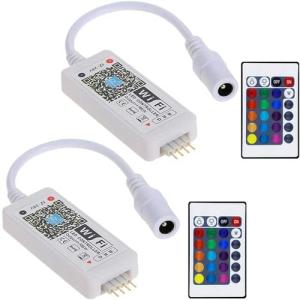
🗺️ The Component Breakdown: Analyzing Product Types for Central Hubs
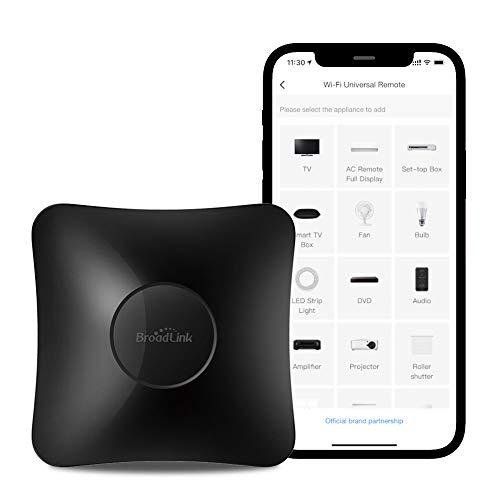
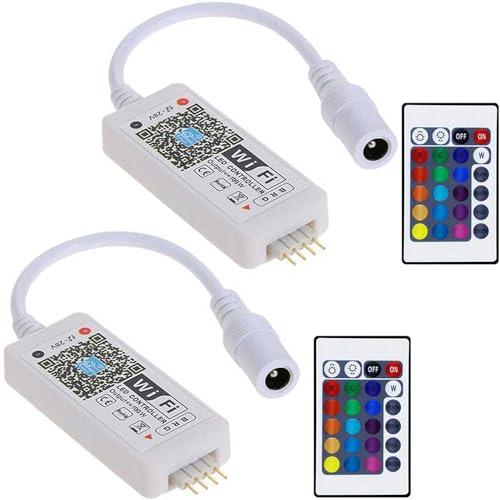
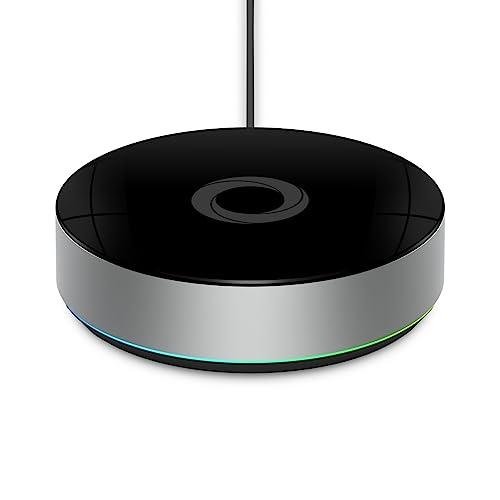
To build a reliable automation system, you must select the right class of Central Hubs . We can logically organize the available product types into Standardization & Future-Proofing and Expert Customization & Integration .
Group 1: Standardization & Future-Proofing
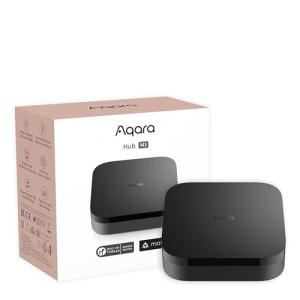
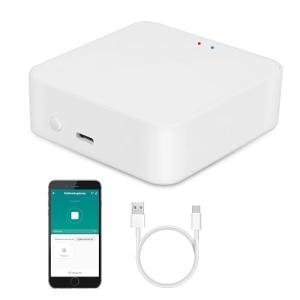
This group includes Multi-Protocol Hubs (Matter/Thread) and Smart Bridge Devices . These products are focused on maximum device compatibility and ensuring a stable, responsive network foundation.
-
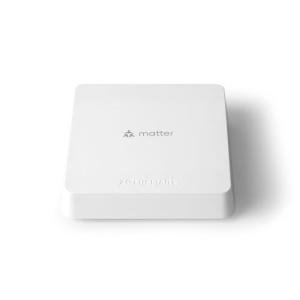
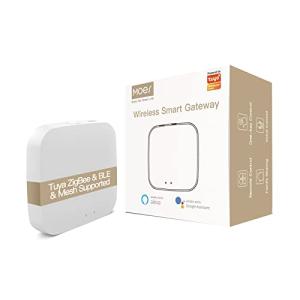
Utility: Multi-Protocol Hubs (Matter/Thread) are the leading-edge solution, designed to bridge the gap between devices from different ecosystems. They often include integrated radios (like Zigbee, Z-Wave, and Thread) to facilitate local, fast communication, providing the most reliable form of Seamless Control . Smart Bridge Devices serve a narrower, but essential, function: translating a specific communication protocol (like a proprietary lighting system) into a language your main hub can understand.
-
Choice Guidance: If you have devices from three or more manufacturers or plan to expand significantly, a Multi-Protocol Hub (Matter/Thread) is non-negotiable for future-proofing and high performance. For instance, if you have a mix of Zigbee sensors and Wi-Fi plugs, this hub ensures they can participate in the same routine, providing reliable Enhanced Comfort . Use Smart Bridge Devices only when you need to integrate a legacy or niche product that does not speak the same protocol as your main hub.
Group 2: Expert Customization & Integration
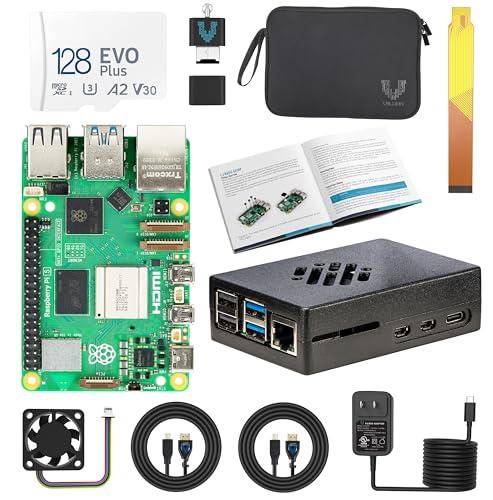
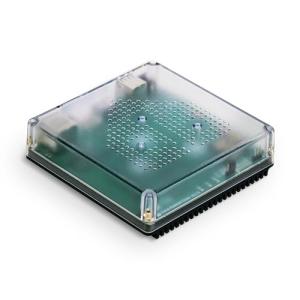
This area is for users who require advanced, code-level control and system ownership. It features Dedicated Home Automation Controllers , DIY Smart Home Hubs , and Smart Home Software Licenses .
-
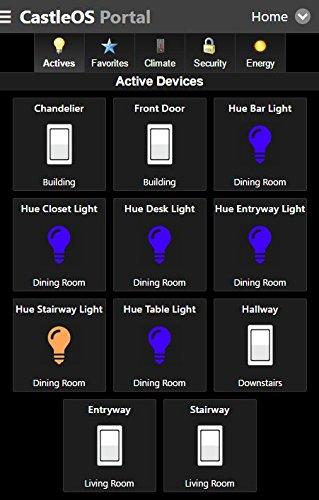
Utility: Dedicated Home Automation Controllers are commercial-grade units offering deep, powerful control often favored by professional installers. They provide robust logging, reliable failover, and the maximum capability for complex routines, which is critical for complex Secure Monitoring systems. DIY Smart Home Hubs and Smart Home Software Licenses appeal to the tech-savvy user who wants complete control over their data and logic, typically allowing for the most granular and complex automation scenarios.
-
Choice Guidance: Choose a Dedicated Home Automation Controller if system uptime, reliability, and the need for incredibly intricate, long-term automations are your top priorities—for example, managing climate control in a large vacation home based on hyperlocal weather data. Opt for DIY Smart Home Hubs if you want maximum flexibility, full data ownership, and a platform that can integrate esoteric, non-standard devices, embracing the ultimate in personalized Seamless Control .
Layering & Integration
True smart home mastery involves using Central Hubs to create a stable, centralized logic layer separate from the user interface.
-
Select the Brain: Start by choosing your primary Central Hub —likely a Multi-Protocol Hub (Matter/Thread) for most users. Install it near your main router to ensure a stable internet connection.
-
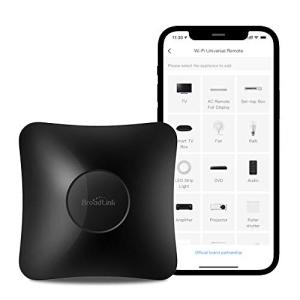
Add Communication Protocols: If necessary, integrate specialized Smart Bridge Devices to translate niche protocols (like RF remotes or older non-IP security sensors) into the hub's main language. This ensures every device contributes to Secure Monitoring .
-
Establish Reliability: Configure all essential automation logic (routines, scenes, and conditional triggers) directly within your Central Hubs software. This ensures that the routine for "Good Morning" (blinds up, coffee on) runs reliably every day, providing consistent Enhanced Comfort , even if your favorite voice assistant server is temporarily offline.
-
Decouple Interface: Treat your smart displays and voice assistants merely as inputs/outputs for the logic running on your hub. This maximizes the stability and responsiveness of the entire system and elevates the effectiveness of your Seamless Control .
🧪 Key Technical Standards and Advanced Use Cases
The effectiveness of your Central Hubs relies heavily on their support for the underlying communication protocols. Essential standards include Z-Wave (low-power, great range, mandatory certification) and Zigbee (mesh network, common for lighting) . Crucially, modern Central Hubs must support Matter/Thread . Thread provides a lightning-fast, self-healing mesh network for low-power devices, drastically reducing latency compared to Wi-Fi-only accessories. Your hub must be the Thread Border Router to manage this modern mesh network.
Advanced Usage: Geofenced Climate and Security Management
You can leverage your Central Hubs for complex, location-aware security and climate automation.
-
Micro-Scenario (Monitoring a vacation home): You are 1,000 miles from your lakeside cabin. Your Dedicated Home Automation Controller is constantly monitoring contact sensors on all windows (for Secure Monitoring ), receiving data via its Z-Wave radio. If an outdoor temperature sensor reports near-freezing conditions, the hub checks the contact sensors. If a window is mistakenly left open, the hub automatically sends a critical alert and simultaneously turns off the smart irrigation controller via Wi-Fi to prevent frozen pipes.
-
The Hub's Role: The Central Hubs execute this multi-protocol logic locally and instantly, providing Enhanced Comfort by protecting your property without cloud reliance. It's the hub's ability to seamlessly coordinate information from different device standards (Wi-Fi, Z-Wave, Zigbee) that delivers this sophisticated, cross-category Seamless Control . This deep-level automation solidifies the hub's role as the central nervous system.
4. Lifestyle Guide
The Simplicity-Seeking User (The App Consolidator)
You are tired of jumping between five different apps to control your house. Your main goal is to consolidate control and maintain a clean, responsive system that provides routine Enhanced Comfort without complexity.
-
The Fit: A Multi-Protocol Hub (Matter/Thread) is the perfect solution. It handles the behind-the-scenes communication, allowing you to use a single, native app interface to control all your different devices (lights, switches, plugs) regardless of their original brand. This hub minimizes setup complexity and maximizes day-to-day Seamless Control . Its integrated nature also streamlines the process of adding Secure Monitoring devices like water sensors and smoke alarms.
-
Recommendation: Multi-Protocol Hubs (Matter/Thread) .
The Performance-Focused User (The Custom Automator)
You demand the fastest response times, the highest level of customization, and the capability to integrate specialized or legacy equipment. You view your smart home as an ongoing project requiring maximum flexibility and data ownership.
-
The Fit: You need the power of DIY Smart Home Hubs paired with a Smart Home Software License . This combination gives you local, open-source control, allowing you to write custom code for unique scenarios—for instance, creating a trigger that only runs a routine if both a motion sensor and an acoustic sensor are tripped (advanced Secure Monitoring ). This approach provides total command over performance, reliability, and the ultimate Enhanced Comfort through hyper-personalized automation.
-
Recommendation: DIY Smart Home Hubs combined with Smart Home Software Licenses and a Smart Bridge Device .
The Budget-Expansion User (The Long-Term Builder)
You are building a comprehensive smart home slowly, prioritizing reliable protocols over immediate aesthetic features. You need a stable foundation that can accommodate every future purchase, whether it’s a budget Wi-Fi plug or an expensive Z-Wave lock.
-
The Fit: Invest in a foundational Dedicated Home Automation Controller or a robust Multi-Protocol Hub (Matter/Thread) . While these might represent a higher initial cost than a basic Wi-Fi device, their long-term value is undeniable because they won't need to be replaced as you add different protocols. This strategy ensures future Seamless Control and avoids buying multiple smaller hubs later on. The reliability of these Central Hubs is essential for any future Secure Monitoring additions.
-
Recommendation: Multi-Protocol Hubs (Matter/Thread) combined with a Smart Bridge Device .
5. COMPLEMENTARY CATEGORY RECOMMENDATIONS
| Recommended Categories |
Why This Category Is Useful Specifically for This Product |
Short Usage Scenario |
| Smart Sensors |
Sensors provide the environmental data (temp, motion, contact) that Central Hubs use to trigger their most complex, conditional automation routines. |
The hub receives a signal from a water leak detector and automatically executes a shutdown routine. |
| Home Security |
Central Hubs are often the brain of a professional-grade or DIY security system, coordinating alarms, locks, and cameras for Secure Monitoring . |
Use the hub's logic to automatically lock all doors and arm the system when you exit the geofence zone. |
| Smart Displays |
Displays and voice assistants act as the user interface for routines whose logic and execution reside centrally on the Central Hubs . |
Tap a button on your smart display to trigger a custom "Movie Night" scene managed by the hub. |
| Lighting Climate |
The hub ensures that lighting and climate adjustments are synced across multiple protocols and brands for unified Enhanced Comfort . |
The hub ensures the Zigbee lightbulbs and the Wi-Fi thermostat adjust simultaneously at sunset. |
| Networking Gear |
Reliable networking is crucial, as the Central Hubs require a fast, stable internet connection to communicate with cloud-based services and device firmware. |
A powerful mesh router ensures your hub maintains a stable link to all cloud services for weather reporting and updates. |
| Smart Power |
Smart plugs and power strips are often managed by the hub's local protocols (like Z-Wave) to bring non-smart devices under Seamless Control . |
The hub automatically turns on the smart plug connected to the car engine block heater based on the outdoor temperature sensor. |
| Automation Tools |
Devices like wireless buttons and wall controllers send their signals to the Central Hubs to initiate predefined routines without voice or app input. |
Press a bedside button that signals the hub to run the "Sleep" routine, turning off all lights and locking the front door. |
Committing to high-quality Central Hubs is the single most important decision you will make in your smart home journey. By establishing a dedicated, robust core, you guarantee the lightning-fast responsiveness and cross-brand interoperability that defines true Seamless Control . You move beyond simple gadgets to a genuinely intelligent home, capable of sophisticated Secure Monitoring and personalized Enhanced Comfort for years to come.