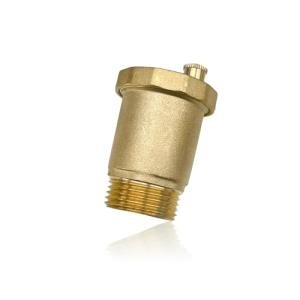
2. 🔌 Choosing Your System: Key Features and Compatibility
When selecting your Smart Heaters/Radiator Valves , you must choose the appropriate heating method (space heater vs. radiator valve) and verify the compatibility with your power source or existing plumbing fixtures.
Essential Variations and Heating Methods
Smart Heaters/Radiator Valves are categorized by the systems they integrate with:
-
Smart Plug-in Space Heaters (Standalone Heating):
-
Pros: These units are simple to install—just plug them in. They are portable and offer high-wattage supplemental heating for cold rooms. Integration allows for voice control, scheduled operation, and safety 24/7 Monitoring (like tip-over/overheat alerts).
-
Cons: High energy consumption if run non-stop; effectiveness is limited to one room. Requires direct Wi-Fi connectivity.
-
US Lifestyle Context: Ideal for providing targeted warmth to a cold, isolated home office in a basement or a sunroom in a northern state during a cold afternoon, maximizing comfort without raising the entire house temperature unnecessarily.
-
Smart Radiator Valves (Hydronic Zoning):
-
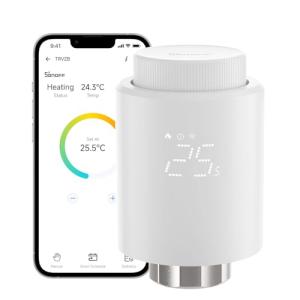
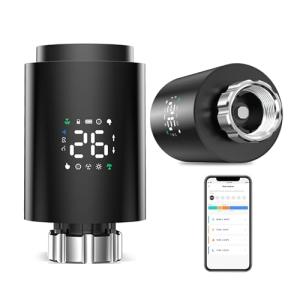
Pros: These battery-powered valves replace the manual thermostatic radiator valve (TRV) on hydronic (hot water) radiators. They allow for true room-by-room zoning by regulating the flow of hot water into individual radiators, maximizing Energy Efficiency of the central boiler.
-
Cons: Requires a specific connection type (e.g., M30 x 1.5mm thread) and may need a dedicated bridge/hub for wireless connectivity. Not suitable for forced-air systems.
-
US Lifestyle Context: Essential for old apartment buildings or brownstones in major US cities that use hot water radiators, enabling individual apartment or room-level temperature control where only a single central thermostat exists.
-
Safety and Power Features:
-
Pros: Look for built-in overheat protection, tip-over kill switches (for portable heaters), and child locks. Radiator valves should have long-life batteries (usually 1+ years).
-
Cons: Smart heaters draw high peak power, requiring a dedicated, non-shared wall outlet.
Compatibility Protocols
For critical safety functions and efficient resource management, Smart Heaters/Radiator Valves must communicate instantly with the hub and external sensors.
-
Wi-Fi Connectivity: Most smart heaters use Wi-Fi for direct connectivity and Remote Access control. This allows you to turn the heater on before you arrive home.
-
Z-Wave/Zigbee/Thread: Radiator valves often use these low-power mesh protocols for stable battery life and reliable, instantaneous commands from the central Learning Thermostats .
-
Ecosystem Integration: Look for Matter compatibility, which ensures the heating device can be automated by occupancy sensors or geofencing, regardless of the brand. This is vital for maximizing Energy Efficiency .
-
Remote Access: The smartphone app provides essential Remote Access for viewing the current room temperature, setting a custom temperature target, and ensuring the device is operating safely.
3. 🛠️ Installation and Setup Walkthrough
Installing Smart Heaters/Radiator Valves is either a plug-in setup (heaters) or a simple valve swap (radiators). The primary focus is on digital calibration and setting safety parameters.
Pre-Installation Preparations
-
Circuit Load Check (Heaters): If installing a smart heater, ensure the circuit it plugs into is not already overloaded (avoid plugging it into a circuit with a hair dryer or large appliance). Heaters draw high current.
-
Radiator Valve Check: For radiator valves, confirm the manual valve is removable and check the threading size against the smart valve's adapter kit.
-
App Activation: Download the app, power up the device, and connect it to your Wi-Fi or hub.
Installation Guide (Typical Smart Radiator Valve)
-
Remove Manual Valve: Turn off the flow to the radiator (if possible, or be prepared for minor water leakage). Remove the old manual thermostatic valve head from the radiator body.
-
Attach Adapter and Valve: Select the correct plastic adapter (if necessary) to fit the radiator body's thread. Screw the smart radiator valve head onto the adapter or directly onto the radiator body.
-
Pair and Calibrate: Follow the app instructions to pair the valve with the central hub. The valve will run a calibration cycle to learn the stroke length of the pin inside the radiator body.
-
Set Schedules: Use the app to set the heating schedule for that specific room, ensuring the valve only opens when the room is actively being used. Test the Remote Access function to verify control.
-
24/7 Monitoring: Set safety alerts (e.g., if the temperature drops below 4 0 ∘ F ) to ensure property protection.
Troubleshooting Common Issues
-
Issue 1: Smart Heater Causes Circuit Breaker to Trip.
-
Issue 2: Radiator Valve Doesn't Adjust Temperature Correctly.
-
Issue 3: Remote Access Fails During Away Status (Energy Efficiency routine).
4. Advanced Automation and Maximizing Value
The precision zoning of Smart Heaters/Radiator Valves enables highly effective Energy Efficiency routines and critical safety functions.
Powerful Automation Scenarios
-
Occupancy-Based Energy Efficiency: You integrate the heater with a Motion/Presence Sensors in the room. When the sensor detects you have left the room for 20 minutes, an automation commands the Smart Heaters/Radiator Valves to shut off instantly. This eliminates unnecessary supplemental heating, maximizing Energy Efficiency .
-
Freeze Protection and Property Safety: A remote Freeze/Temp Sensors detects the temperature dropping to 4 0 ∘ F in an unheated room. An automation commands the nearest smart space heater (plugged into a Smart Wall Outlet ) to turn on to 6 0 ∘ F until the danger passes, preventing pipe damage and providing 24/7 Monitoring .
-
Scheduled Pre-Heating and Remote Access: You use the Remote Access app while commuting home. You receive a schedule reminder that the heating cycle is about to start. You manually turn the heat on early, ensuring the room is comfortable upon arrival.
Longevity & Maintenance
The longevity of Smart Heaters/Radiator Valves is dependent on motor health and clean operation. For heaters, regularly clean the internal filter (if applicable). For radiator valves, check the battery life via the app and replace the batteries annually to ensure the motor operates reliably. Promptly install firmware updates, which often improve the system's ability to maintain comfort while maximizing Energy Efficiency .
5. COMPLEMENTARY CATEGORY RECOMMENDATIONS
| Recommended Categories |
Why This Category Is Useful Specifically for This Product |
Short Usage Scenario |
| Smart Power |
Smart plugs and outlets provide the necessary power control for plug-in smart heaters, enabling scheduling and safety features. |
Plugging the smart space heater into a Smart Wall Outlet to enable timer control. |
| Motion Presence Sensors |
Sensors provide the occupancy data that tells the heating devices when a room is vacant, maximizing Energy Efficiency . |
A sensor detects no one in the room, commanding the smart heater to turn off. |
| Learning Thermostats |
The main thermostat provides the base heat/cool demand, which the smart valves use to modulate flow to specific rooms. |
The radiator valve modulates flow based on the central thermostat's call for heat. |
| Freeze Temp Sensors |
These sensors detect critical low temperatures in remote rooms, triggering the smart heater/valve to turn on for freeze prevention. |
A freeze sensor detects 4 0 ∘ F , triggering the smart radiator valve to open fully. |
| Voice Assistants |
Voice control provides the most convenient, hands-free method for adjusting temperature targets on the spot. |
Commanding, "Alexa, set the office heater to 75 degrees," controls the device instantly. |
| Smart Displays |
Displays provide a visual hub for managing temperature zones and viewing the status of the heater/valve. |
Checking the smart display screen to see the current temperature setpoint of the smart radiator valve. |
| Central Hubs |
The hub integrates the valves (often Z-Wave/Zigbee) with other Wi-Fi devices and runs the complex zoning logic. |
The central hub links the valve status to the main home control app for Remote Access . |
| Smart Vent Systems |
Vents and valves work together in a forced-air/hydronic hybrid system to provide complete climate zone control. |
The smart vents close downstairs while the radiator valves open upstairs for balanced heating. |
Smart Heaters/Radiator Valves are the intelligent answer to uneven home heating, transforming wasted energy into precise, comfortable zoning. They provide verifiable cost savings through occupancy-based Energy Efficiency , ensuring reliable 24/7 Monitoring , and granting seamless control via Remote Access . By upgrading to these smart devices, you eliminate hot and cold spots and take definitive command of your climate profile. Invest in zonal comfort today with Smart Heaters/Radiator Valves .