
PRODUCT REVIEW
In-Depth U.S. Market Review
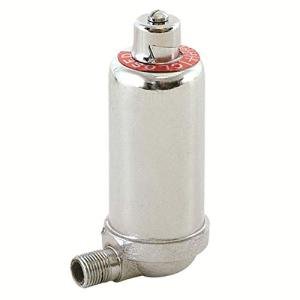
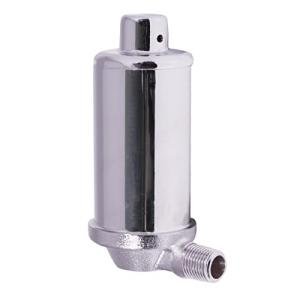
The Midline Valve 6J3I5 Steam Radiator Air Vent addresses the critical need for efficient air expulsion in single-pipe steam heating systems, a staple in countless older U.S. homes, especially in major Northeastern and Midwestern cities. Unlike fixed-rate vents that offer a single venting speed, this model provides an adjustable heat regulator valve , allowing you to fine-tune the speed at which air is purged from your radiator. This feature is the primary differentiator, pushing it into the "performance maintenance" niche.
The ability to control the venting rate is a significant advantage over non-adjustable models like basic EZ Flow options. If you have a radiator far from the boiler, you need a fast vent to suck the steam in quickly. If a radiator is right next to the boiler, you need a slow vent to prevent it from getting overly hot before the steam reaches the other units. This chrome-plated steel valve provides that crucial control, giving you the power to properly balance the heat distribution across your entire home.
Technical Analysis
| Specification | Detail & U.S. Context | Analysis |
| Connection Size | 1/8-inch MIP (Male Iron Pipe) | The universal standard size for single-pipe residential steam radiator fittings in older American homes, ensuring broad compatibility. |
| Valve Type | Angle Air Vent with Adjustable Flow | The key feature; allows the user to manually control the rate at which air is vented, crucial for balancing heat distribution in a system. |
| Regulator Function | Heat Regulator/Venting Rate Control | Users can dial the setting to vent air slowly (for radiators near the boiler) or quickly (for radiators far from the boiler). |
| Material | Chrome Plated Steel | Offers a more aesthetically pleasing, modern look than raw brass/nickel, fitting better in visible living spaces common in older U.S. architecture. |
| Operation | Thermostatic Activation | Internally utilizes a mechanism (like a bellows) that expands and shuts the valve when hot steam, not just air, reaches it, preventing heat loss. |
| Max Pressure/Temp | Designed for Low-Pressure Steam | Suitable for standard residential steam systems, typically operating at pressures around 0.5-2 PSI, common in U.S. domestic heating. |
| Installation | Standard Screw-in Replacement | Simple DIY installation, but requires the user to understand the concept of heat balancing to set the adjustable dial correctly. |
1. Adjustable Venting for System Balancing
The core technical appeal of the Midline Valve 6J3I5 is its adjustable venting rate. In any single-pipe steam system, radiators closest to the boiler heat up first, sometimes becoming scalding hot while others remain cold. This is because they have the shortest run for air expulsion.
By turning the regulator dial on this valve, you can force the air out slowly on those "early" radiators, giving the steam time to travel to the units further down the line. Conversely, on a cold radiator at the end of the run, you can open the valve fully for rapid air venting, dramatically speeding up the heating time for that specific room. This level of control allows you to finally achieve balanced, comfortable heat throughout your home.
2. Material Quality and Aesthetic Finish
Constructed from steel and finished with a durable chrome plating, the valve offers a slightly higher-end look compared to simple brass or nickel finishes. This aesthetic touch is important for residents in older U.S. homes where the radiators themselves are often prominent architectural features. The bright chrome blends better with modernized bathrooms or restored living spaces.
Beyond aesthetics, the material choice must withstand the internal rigors of the steam cycle, including fluctuating temperatures and internal moisture. The 1/8-inch MIP angle connection ensures a solid, leak-free mount into the standard tapping of the radiator, provided a proper pipe sealant is used during the straightforward DIY installation.
3. Thermostatic Control Reliability
Like all effective steam radiator vents, this model utilizes a thermostatic principle to ensure efficiency. After the user-set rate of air is purged, the bellows or element inside reacts to the incoming, high-temperature steam. This thermal reaction causes the valve to physically close.
This auto-shutoff mechanism is crucial. It stops the steam from escaping (which would waste energy and create noise) while the radiator is hot. This reliable and automatic closing action is independent of the adjustable venting rate, meaning you get the benefits of both fine-tuned speed control and energy-saving steam capture once the radiator is fully heated.
User Profiles
1. The Historical Home Enthusiast
You own a multi-story, century-old home with a single-pipe steam system, and you are constantly struggling with uneven heating. Your main floor is sweltering, while the bedrooms upstairs are always chilly, leading to discomfort and high fuel bills.
-
Use Case: You need to slow down the heating of the downstairs radiators (the ones closest to the boiler) and speed up the heating of the upstairs radiators (the ones farthest away) to achieve a consistent temperature in every room.
-
The Fit: The adjustable venting rate of the Midline Valve 6J3I5 is precisely what you need for heat balancing . You can install this on a "fast" radiator and dial it down to a slow vent rate, diverting steam more quickly to the underperforming radiators, finally solving your decades-old uneven heat problem.
2. The Practical Landlord
You manage a small four-unit apartment building with one main boiler. Tenant complaints about hot and cold spots are common, and you need a cost-effective, but adjustable, solution that allows for fine-tuning individual unit temperatures.
-
Use Case: One unit's radiator is getting disproportionately hot and loud, wasting heat, while another on the end of the line is always cold. You need to provide a non-permanent adjustment that can be tweaked to keep all tenants happy.
-
The Fit: This valve allows you to perform an initial balancing for the building, slowing down the overly aggressive radiators. It's a simple, non-electronic solution that you can install quickly. Plus, the chrome finish looks professional and clean, which is a nice aesthetic bonus in tenant-occupied properties.
3. The Performance-Minded DIYer
You are a serious DIY homeowner who understands the mechanics of steam heat and wants the absolute most balanced and efficient performance possible from your antique heating system. You treat your heating system maintenance as a personal efficiency project.
-
Use Case: You've mapped your steam system and identified a radiator that requires a venting speed slightly faster than a standard fixed vent but slower than a wide-open high-speed vent to hit the perfect sweet spot for timing.
-
The Fit: The regulator gives you granular control that fixed vents simply cannot match. You can set it to a specific point—say, halfway open—to perfectly time when that radiator comes up to temperature, optimizing your overall boiler cycle and achieving maximum heating efficiency in your specialized setup.
"Complementary HomeTechCorner Category Recommendations"
| Recommended Products | Why This Category Is Useful Specifically for This Product | Short Usage Scenario |
| Environmental Sensors Temp Humidity | Once you adjust the venting rate, a highly accurate temperature sensor verifies the success of your heat balancing efforts. | You finish adjusting the valve in the farthest bedroom and then check the digital sensor to ensure that the radiator has helped the room climb to a perfect 7 0 ∘ F on a cold winter night. |
| Learning Thermostats | A smart, learning thermostat can intelligently track the efficiency of your newly balanced system, optimizing boiler run times. | After adjusting all the valves, the learning thermostat can figure out the new, shorter time it takes to heat the house and reduce the boiler's "on" time to save you money. |
| Smart Switches Relays | For a large system, using a smart relay on the main boiler feed could allow you to remotely cycle the system to test the new valve's performance. | You are in the basement and need to test if the new valve is working correctly, so you use your phone to cycle the boiler on and off without running back upstairs to the thermostat. |
| Voice Assistants | Integration allows for quick status checks or temperature adjustments when paired with a smart thermostat. | You feel a chill while watching TV and simply ask, "Hey assistant, what's the current temperature in the living room?" to see if you need to go adjust a valve. |