PRODUCT REVIEW
In-Depth U.S. Market Review
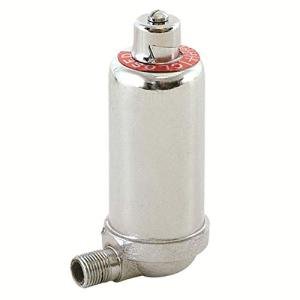
The Eastman Radiator Air Valve (Model 20371) is a workhorse in the maintenance category for classic American single-pipe steam heating systems. Its function is essential for maximizing heat output: it automatically and efficiently purges air from the radiator, making room for the superheated steam to fill the entire coil. This is a must-have for older homes, particularly those enduring harsh winters in the U.S. Snow Belt, where inefficient heating translates directly to discomfort and exorbitant energy bills.
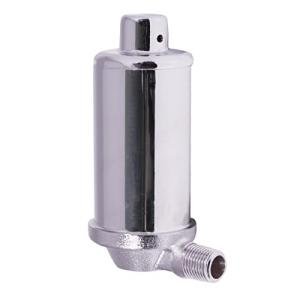
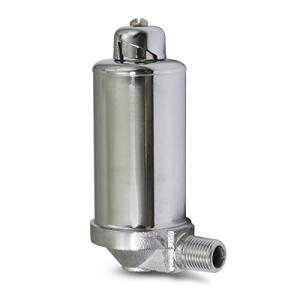
What sets the Eastman 20371 apart is its reputation as a reliable, fixed-rate, non-adjustable angle valve . Unlike fancier adjustable vents that require manual balancing, this is an uncomplicated, "install and forget" component. Compared to variable vents, you get maximum simplicity and a fixed, moderate venting speed, making it a perfect drop-in replacement for the vast majority of radiators that are neither right next to the boiler nor at the extreme end of the run. It uses the ubiquitous 1/8-inch MIP connection, making it instantly compatible with nearly all traditional cast-iron radiators.
Technical Analysis
| Specification | Detail & U.S. Context | Analysis |
| Connection Size | 1/8 Inch Angle MIP Connection | This standard U.S. sizing (Male Iron Pipe) ensures compatibility with the taps of almost all vintage and modern single-pipe steam radiators. |
| Valve Type | Fixed Venting Angle Valve | A simple, non-adjustable rate of air expulsion. The angle design is crucial for proper mounting and aesthetic integration on most radiators. |
| Operation Principle | Thermostatic Mechanism (Non-Electric) | Employs an internal element (bellows) that expands and closes the valve only when it senses the heat of steam, preventing steam loss. |
| Material/Finish | Brass or Nickel-Plated Brass | Highly resistant to internal corrosion and wear from the steam/condensate cycle, maximizing the valve's lifespan in harsh heating environments. |
| Installation Profile | Direct Screw-In Replacement | Designed for straightforward DIY installation using common tools and pipe thread sealant, keeping maintenance costs low for U.S. homeowners. |
| Pressure Rating | Low-Pressure Steam (Residential) | Suitable for the 0.5 to 2 PSI operating pressures typical of residential steam heating boilers in the United States. |
| Venting Rate | Moderate/Standard Flow | Appropriate for the majority of radiators that are centrally located in the heating loop, offering a balance between speed and noise. |
1. Thermostatic Mechanism for Maximum Efficiency
The core technology within the Eastman 20371 is its thermal actuator, which ensures energy is conserved. When the radiator is cold, the valve is open, allowing air to escape freely as the steam enters. The air must be evacuated first to allow the steam to fully condense and heat the radiator surface.
As soon as the high-temperature steam reaches the internal element, it triggers an immediate and automatic shutdown of the valve. This smart, non-electric mechanism traps the steam inside the radiator, ensuring the entire surface heats up to its maximum potential while preventing the valuable heat from escaping through the vent into the room.
2. Connection Standard and Durability
The 1/8-inch Male Iron Pipe (MIP) connection is the gold standard in U.S. residential steam heating. This universality is a major selling point, as it eliminates the guesswork often associated with buying replacement parts for older, legacy systems. You can be confident this valve will thread directly into the radiator opening.
The construction, typically brass with or without nickel plating, is chosen for its longevity. Steam systems introduce continuous heat cycling and exposure to mildly corrosive water condensate. The durable metal construction is essential to resist seizing, cracking, and internal corrosion, providing years of reliable, maintenance-free operation.
3. Simplicity vs. Adjustability Trade-off
As a fixed-rate valve, the 20371 sacrifices the fine-tuning capability of an adjustable vent for the sake of simplicity and reliability. You simply screw it in, and the valve operates at its factory-set venting rate. This is ideal for radiators that are already heating reasonably well and just need a fresh, unclogged replacement.
For the average U.S. homeowner or apartment dweller, this simplicity is often preferred. You avoid the need to constantly monitor and manually adjust settings to balance the system. It offers a standardized performance curve that is suitable for the bulk of radiators in a typical home, making it a highly practical and cost-effective maintenance choice.
User Profiles
1. The Proactive Home Maintainer
You live in an older U.S. home with a steam boiler and perform regular seasonal maintenance. You believe in preemptive replacement of key components to avoid emergency breakdowns and cold spots in the middle of winter.
-
Use Case: One of your radiators is starting to hiss more loudly than usual, or you notice a slight cool spot, indicating the valve is nearing the end of its life. You need a trusted, standard replacement that you can quickly swap out during your fall system check.
-
The Fit: The Eastman 20371 is the definition of a dependable, no-fuss replacement. Its common 1/8-inch MIP connection and reliable fixed-rate operation mean you can install it quickly, trust its performance, and not worry about it for years, allowing you to focus on other maintenance tasks.
2. The Budget-Focused Landlord
You manage a small portfolio of rental properties with single-pipe steam systems. Your goal is to keep heating costs down and minimize tenant complaints using the most straightforward, cost-effective, and standardized parts possible.
-
Use Case: Multiple tenants report cold bedrooms, which you diagnose as clogged or failed vents. You need to purchase a quantity of standard replacement valves that your maintenance staff can install quickly, consistently, and without any specialized training or manual adjustments.
-
The Fit: This fixed-rate valve offers an excellent balance of quality and affordability. Since it's a standard, non-adjustable unit, your staff can simply swap the old valve for the new 20371, immediately restoring efficient heat without the risk of an adjustable valve being incorrectly set by a less experienced technician.
3. The New Apartment Dweller
You have just moved into a classic apartment in a cold-weather city and are unfamiliar with steam heating systems. Your radiator is gurgling and cold, and your only goal is to find the single component that will fix the problem with minimal effort.
-
Use Case: After some research, you identify the air vent as the most likely culprit for your cold radiator. You need a simple, single purchase that is guaranteed to fit your old cast-iron unit and requires no complex configuration.
-
The Fit: As the 1/8-inch MIP is the standard, the Eastman 20371 is the safest bet for a first-time replacement. You don't have to worry about balancing or adjustable settings; you simply screw out the old one, screw in the new one with some thread tape, and immediately enjoy a fully hot radiator.
"Complementary HomeTechCorner Category Recommendations"
| Recommended Products | Why This Category Is Useful Specifically for This Product | Short Usage Scenario |
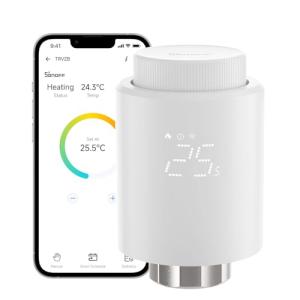
| Thermostats | Once you've fixed the air vent, a modern programmable thermostat can better leverage the now-efficient heating system. | You notice the house heats up faster after replacing the valve, so you program your smart thermostat to reduce the time the boiler runs, saving you money. |
| Environmental Sensors Temp Humidity | Placing a sensor near the radiator helps confirm the new valve is working by showing a rapid, full temperature increase in the room. | You install the Eastman 20371 and use the sensor data to confirm that the room temperature rises consistently from 6 5 ∘ F to 7 2 ∘ F in under 20 minutes. |
| Smart Power | If your boiler's power supply is accessible, a smart power switch can act as a remote master control for troubleshooting or pre-heating before you arrive home. | You are driving back from a weekend trip and use an app to turn on the boiler's power supply, ensuring the house is warm when you walk in the door. |
| Freeze Temp Sensors | In case of a system failure, a freeze sensor can alert you before the pipes (and your newly fixed radiator) are exposed to dangerously low temperatures. | You are alerted late one night that the temperature in your basement has dropped below 3 5 ∘ F , giving you time to call maintenance before a pipe bursts. |