
PRODUCT REVIEW
In-Depth U.S. Market Review
The Smart Zigbee Soil Moisture Sensor for Plants is a targeted solution for the U.S. market, focusing on delivering high-reliability moisture data through the established Zigbee protocol. This product is for the user who values system stability, long-range connectivity, and exceptional battery life over simple Wi-Fi direct connections. Its niche is the seamless, low-power integration of critical environmental data into a pre-existing Zigbee smart home ecosystem, making it an essential component for any automated, needs-based watering system.
It is specifically designed for integration with platforms like Zigbee-enabled hubs, which ensures robust performance over long distances common in suburban U.S. properties. Compared to Bluetooth sensors, you gain dramatically increased range and mesh reliability; compared to Wi-Fi sensors, you get multi-year battery life, making it a truly set-and-forget device. This makes it an ideal, budget monitor choice for advanced garden plant monitoring and efficient home office use routines.
Technical Analysis
| Specification | Detail & U.S. Context | Analysis |
| Protocol | Zigbee 3.0 Wireless Standard | Offers excellent penetration and range via mesh networking, ensuring reliable data transmission even in distant garden beds (requires hub). |
| Measurement | Soil Moisture Content (VWC %) | Provides highly accurate, percentage-based readings of the soil's water content for data-driven irrigation decisions. |
| Power Source | High-Efficiency Battery (e.g., AA or AAA) | Optimized by the Zigbee protocol to last for a year or more, minimizing maintenance and maximizing convenience. |
| Material/Housing | IP-Rated, UV-Resistant Outdoor Casing | Essential for surviving constant exposure to sunlight, rain, fertilizers, and U.S. weather extremes. |
| Alert Configuration | App-Based Thresholds | Allows the user to set "dry" and "wet" limits that trigger notifications or automated routines on a smart hub. |
| Integration | Compatibility with Major Zigbee Hubs | Works across multiple platforms (e.g., Samsung SmartThings, Amazon Echo/Alexa, Hubitat), maximizing its utility in varied U.S. smart homes. |
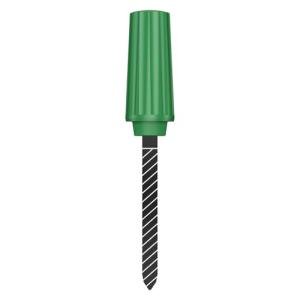
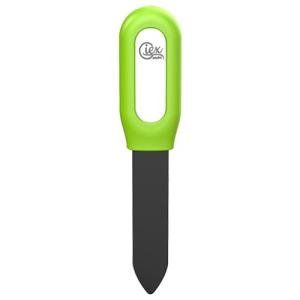
| Probe Design | Single-Point, Deep Insertion Probe | Ensures the moisture is measured at the plant's root level, where the water is truly needed, preventing surface-level errors. |
1. The Power of Zigbee 3.0 for Outdoor Use
The use of the latest Zigbee 3.0 standard is the foundational technical advantage. This protocol creates a stable, self-healing mesh network. If your sensor is far away, the signal doesn't have to jump all the way to your router; it can hop through the nearest always-on Zigbee device, like a garage smart plug.
This mesh connectivity means that the sensor is reliable in large yards, which is a key requirement for many U.S. homeowners. Furthermore, the 3.0 standard ensures broad compatibility with most modern, popular smart home ecosystems that have adopted the Zigbee radio.
2. Battery Life and Maintenance Efficiency
The low-power nature of Zigbee is perfectly suited for a device that is meant to be stuck in the dirt and forgotten. While Wi-Fi sensors must constantly maintain a connection, draining power, this Smart Zigbee Soil Moisture Sensor primarily wakes up to transmit data at set intervals or when a threshold is met.
This efficiency translates into battery life that can easily span a full growing season, and often longer. You don't have to worry about replacing batteries every few weeks, making the device a true asset for the homeowner who values low-maintenance smart tech.
3. Seamless Integration and Automation
Integration is key to the "smart" experience. Once paired with your central Zigbee hub, the soil moisture data is exposed to the entire automation platform. This allows you to create powerful, logical rules that cross-reference data points and control other devices.
For example, you can use the sensor's low moisture reading to trigger a smart sprinkler controller, or a smart plug connected to a drip pump. The sensor transforms from a simple data reader into the intelligent brain of your automated watering system, ensuring your plants receive water based on actual need, not just an arbitrary schedule.
User Profiles
1. The Smart Home Ecosystem Builder
You already own a multi-protocol hub and have committed to the Zigbee standard for sensors and low-power devices around your property. You need a simple, reliable sensor that seamlessly joins your existing mesh network.
-
Use Case: You want the sensor's data to be visible within your hub's dashboard and available for custom automation logic that dictates when your smart water valve should open or close.
-
The Fit: The native Zigbee protocol is ideal for you, providing a solid, long-range connection that contributes to the stability of your entire home network. You avoid the need for a separate, proprietary gateway or app, which is a major convenience win.
2. The Backyard Vegetable Grower
You have a high-demand vegetable garden that requires precise watering to produce a quality harvest. Overwatering is a constant risk, as is allowing the soil to dry out completely during a hot summer week.
-
Use Case: You place the sensor in the root zone of your squash plants and set a high alert threshold (e.g., 75%) for over-saturation to prevent root rot and a low alert (e.g., 30%) for wilting prevention.
-
The Fit: The VWC percentage reading provides the scientific accuracy you need for precision gardening. You can customize the thresholds to match the exact needs of your specific vegetable varieties, ensuring optimal growing conditions and a higher yield.
3. The Large-Yard Homeowner
You have a sprawling property where the garden beds are far away from your main house Wi-Fi router, and you’ve struggled with previous sensors constantly dropping offline.
-
Use Case: You install the sensor 150 feet from your home, relying on a strategically placed Zigbee smart plug in your pool house to route the data back to your hub. You need the connection to be virtually unbreakable.
-
The Fit: The mesh-networking capabilities of Zigbee make this the most reliable choice for long-distance, outdoor data transmission. You can use affordable Zigbee repeaters to guarantee a strong, stable signal, overcoming the common connectivity issues of larger U.S. properties.
"Complementary HomeTechCorner Category Recommendations"
| Recommended Products | Why This Category Is Useful Specifically for This Product | Short Usage Scenario |
| Multi Protocol Hubs Matter Thread | Absolutely mandatory for this Zigbee sensor to bridge its data to your home network for remote access and automation. | You use your Home Assistant hub to see the live moisture data from the sensor and build an alert that notifies your phone only when the level drops below 35%. |
| Smart Sprinkler Controllers | This product is the eyes and ears for a controller, providing the data necessary for automated, intelligent watering. | You integrate the sensor with your smart sprinkler controller so that the "Skip Watering" function is only overridden if the soil moisture sensor confirms the ground is dry. |
| Energy Monitoring Smart Plugs | Great for plugging in and automatically controlling the power supply to a small pump or DIY solenoid valve based on soil moisture. | The sensor reports a dry reading, and the hub instantly activates the smart plug, turning on the small water pump to deliver a quick, targeted drink to your sensitive flower pot. |
| Wireless Programmable Buttons | A simple button can be set up to manually request a status check of the sensor before you commit to running a watering cycle. | Before you leave for work, you press a button to run a quick routine that flashes a green light if the garden is wet enough, and a red light if it’s dry. |
| Dedicated Control Panels | You can display the sensor's live VWC percentage on a wall-mounted panel for quick, at-a-glance monitoring without having to open an app. | You are outside near your garden and check the dedicated control panel on the patio to see if the overnight rain was enough to bring the moisture level back to a healthy range. |