
PRODUCT REVIEW
In-Depth U.S. Market Review
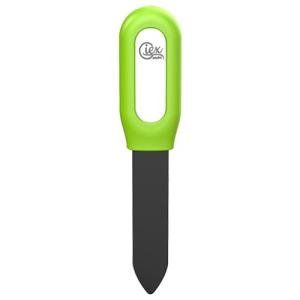
The RainPoint 3-in-1 Smart Soil Moisture Sensor is a critical component for anyone building a comprehensive, automated irrigation system in the U.S. market. Unlike simple spot-check tools, this device is designed to be the eyes and ears of your smart garden, constantly feeding real-time data on moisture, temperature, and light intensity back to the RainPoint hub and app. It doesn't just tell you if you should water; it actively informs your automated smart timer when and how much to water.
This focus on ecosystem integration sets it apart. Compared to direct Wi-Fi sensors, the RainPoint sensor's reliance on a separate RF-to-Wi-Fi hub provides better battery efficiency and often a superior wireless range, essential for covering large backyards without relying on Wi-Fi repeaters. It provides a cohesive, reliable, and scalable experience, making it a powerful choice for those serious about transitioning to fully automated, water-wise gardening.
Technical Analysis
| Specification | Detail & U.S. Context | Analysis |
| Sensing Metrics | Soil Moisture, Ambient Temperature, and Light Intensity (3-in-1). | The light intensity feature is extremely useful for greenhouse or indoor setups, helping U.S. users optimize plant placement relative to natural or artificial light sources. |
| Connectivity Protocol | Low-Power Radio Frequency (RF) to a dedicated RainPoint Wi-Fi Hub (separate purchase). | RF communication is significantly more power-efficient than direct Wi-Fi, resulting in longer battery life and better range, justifying the cost of the required central hub. |
| Moisture Sensing Type | High-durability Capacitive Sensing Probe. | Chosen for its resistance to corrosion from fertilizers and salts common in U.S. commercial potting soils, ensuring the sensor maintains long-term accuracy and reliability. |
| App Features | Soil Type Calibration, Historical Data Tracking, Scene/Automation Setup. | Allows users to fine-tune the sensor's reading based on their specific medium (e.g., sandy loam, peat moss), making the data actionable and accurate across diverse U.S. regions. |
| Weather Resistance | Robust, fully enclosed, weather-resistant housing (often IPX5/IP67 rated). | Designed to be left permanently in the ground, it withstands irrigation and normal precipitation, making it reliable for extended outdoor use in garden beds and large planters. |
| Battery Life Optimization | Uses AAA or AA batteries and employs a low-frequency data check (e.g., every few minutes). | The low-power RF protocol maximizes battery life, minimizing maintenance and making this a "set and forget" component for an entire growing season. |
| System Scalability | A single RainPoint hub can typically support multiple sensors and water timers. | This allows the user to start small and incrementally expand their smart irrigation system to cover the entire property (e.g., front lawn, vegetable patch, decorative pots). |
1. Capacitive Sensing and Light Intensity Value
The physical sensor technology is built for longevity and precision. It utilizes a capacitive probe, which measures the soil’s electrical properties rather than relying on direct electrical conductivity. This method is much less susceptible to error caused by soil salinity or corrosion, offering superior long-term reliability compared to cheaper resistive prongs frequently found in budget monitor choices.
Furthermore, the "3-in-1" capability includes light intensity, which is a surprisingly powerful tool for plant health. For indoor or greenhouse users, the light data helps prevent leaf burn from intense light or stretching due to inadequate light, allowing you to instantly determine if your plant placement is optimal.
2. Closed-Loop Automation and Ecosystem Strength
The real selling point of the RainPoint 3-in-1 Smart Soil Moisture Sensor is its role as a key component in a closed-loop watering system. When paired with a RainPoint smart water timer and the hub, the sensor's low-moisture reading can automatically trigger the valve to begin watering. Once the desired moisture level is reached, the sensor tells the valve to shut off.
This creates a truly hands-off, water-efficient system, eliminating the waste common with fixed-schedule timers. For U.S. consumers who prioritize convenience and conservation, this ability to automate based on actual soil need—rather than guesswork—is an invaluable feature.
3. Optimized RF Communication for Range and Battery
By relying on a dedicated, low-power RF signal to communicate with the central Wi-Fi hub, the sensor achieves superior performance metrics compared to direct-connect Wi-Fi sensors. The RF signal is generally more effective at penetrating dense soil and foliage and transmitting data over the longer distances found in typical American suburban backyards.
Crucially, the low power requirements of RF mean the sensor’s batteries last significantly longer, often for a full season or more. This minimizes the frequency of battery swaps, contributing to the overall reliability and low maintenance profile required for a dedicated monitoring device.
User Profiles
1. The Water Conservationist
You live in a region of the U.S. (such as the Southwest or California) where water usage is heavily monitored, restricted, or simply very expensive. You are seeking a smart irrigation system designed to eliminate water waste by watering only when absolutely necessary.
-
Use Case: You set your smart irrigation timer to run daily, but link it to the soil sensor. If the sensor reports that the soil is above 40% moisture due to recent rain, the system automatically skips the watering cycle for that day.
-
The Fit: This sensor is the engine for water conservation. Its precise, real-time data ensures that the irrigation system operates purely on need, not schedule, leading to significant water savings and the satisfaction of running a highly efficient landscape.
2. The Full-System Smart Home Builder
You are renovating or establishing a new property and want to install a comprehensive smart gardening system from the ground up. You prefer an integrated, branded ecosystem where all components—sensors, timers, and hubs—are guaranteed to work seamlessly together.
-
Use Case: You buy multiple RainPoint sensors and timers. You map them all in the Homgar app, setting up zones for your lawn (deep watering) and flower beds (shallow watering), and the entire system communicates flawlessly through the single hub.
-
The Fit: The product is ideal because it is a native component of the RainPoint ecosystem. The system scalability and integrated app environment prevent the compatibility headaches often encountered when mixing and matching different brands, providing a stable platform for growth.
3. The Greenhouse/Indoor Grower
You manage an indoor hydroponic or greenhouse setup where light, temperature, and moisture are tightly regulated to maximize growth and yield. You need continuous, multi-parameter data logging to analyze performance and troubleshoot issues immediately.
-
Use Case: You notice that your lettuce growth has stalled. You pull up the historical data and see that while moisture was adequate, the light intensity dropped significantly after a cloudy week. You immediately adjust your supplemental LED lighting accordingly.
-
The Fit: The 3-in-1 data stream, especially the light intensity measurement, is invaluable for controlled environments. The continuous data logging allows for deep retrospective analysis, turning your greenhouse into a data-driven science experiment for optimal results.
"Complementary HomeTechCorner Category Recommendations"
| Recommended Products | Why This Category Is Useful Specifically for This Product | Short Usage Scenario |
| Smart Sprinkler Controllers | Essential for completing the closed-loop system, allowing the sensor to trigger or stop water flow automatically. | The sensor reports low moisture, prompting the smart sprinkler controller to initiate a micro-drip session for your potted herbs before you even finish your commute. |
| Multi Protocol Hubs Matter Thread | A centralized hub can help you integrate the RainPoint ecosystem data with other non-RainPoint devices for broader automation. | You use your central Matter hub to display the RainPoint soil moisture level directly on your primary smart display in the kitchen for a quick overview. |
| Smart Lighting For Battlestations | If the sensor is used in a grow room, this lighting can be adjusted based on the light intensity reading from the sensor. | The light intensity reading in the app drops below the set threshold, automatically boosting the brightness of your smart grow lights to compensate for a cloudy afternoon. |
| Dedicated Control Panels | A fixed-mount panel provides a centralized, easy-to-read dashboard for monitoring the moisture, temperature, and light data without searching for your phone. | Before leaving the house, you glance at the wall-mounted panel in your mudroom to confirm all the key garden zones are showing adequate moisture levels (i.e., above 50%). |
| Power Backup Solutions | Protects the necessary RainPoint Wi-Fi hub from power loss, guaranteeing continuous data logging and system readiness during brief outages. | A summer thunderstorm causes a momentary power flicker, but the UPS keeps the hub online, ensuring the system can still send a critical low-moisture alert if needed. |