
PRODUCT REVIEW
In-Depth U.S. Market Review
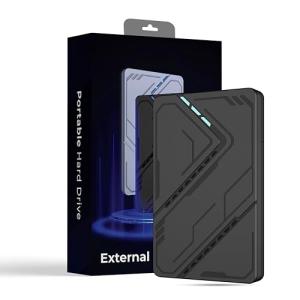
The 250GB Portable External Hard Drive - USB 3.0 occupies the highly affordable, entry-level segment of the U.S. consumer storage market. This drive is a perfect fit for the user who needs the bare minimum of reliable, traditional storage for basic files, school projects, or small archives. It is the ultimate utility drive for those seeking capacity and portability at the lowest possible price point. Its niche is strictly for fundamental backup and file transfer where speed is secondary to cost and ease of use.
For consumers seeking an extremely cost-effective method for simple file management, this 250GB portable external hard drive is a great budget monitor choice. The capacity is small by modern standards, but it's more than enough for a full backup of a laptop's documents or a large photo album. Compared to USB flash drives, you get a more robust, long-term storage solution that's designed for slightly more frequent use. Compared to 1TB SSDs, you are trading gigabytes for dollars, saving a significant amount of money in exchange for slower transfer speeds, making it ideal for the traveling student or casual home user.
Technical Analysis
| Specification | Detail & U.S. Context | Analysis |
| Storage Technology | Traditional Hard Disk Drive (HDD) with spinning media. 250GB capacity. | The smallest viable capacity for modern use, suitable only for essential documents, school files, and small media libraries. Provides basic reliability. |
| Interface | USB 3.0 (5Gbps) connectivity, which is the baseline speed standard for current portable storage. | Provides acceptable real-world transfer speeds (typically 80– 100 MB/s ), which is a huge step up from the older USB 2.0 standard. |
| Power Method | Bus-powered; draws power directly from the host device’s USB port. No external power adapter required. | Maximizes portability and simplicity. You only need the single USB cable, making it very convenient for on-the-go or temporary use. |
| Physical Dimensions | Extremely compact and lightweight, often one of the smallest HDD form factors available. | Designed to easily fit into a shirt pocket, making it ideal for students or business users who primarily transport documents. |
| Compatibility | Pre-formatted for universal compatibility (e.g., ExFAT or NTFS) for immediate use with Windows and macOS. | Plug-and-play functionality is key in the U.S. market, catering to users who want a simple, immediate solution without reformatting. |
| Rotational Speed | Generally 5400 Revolutions Per Minute (RPM), the standard for portable HDDs. | This speed balances decent data access with the low power draw required to run directly off a USB port. |
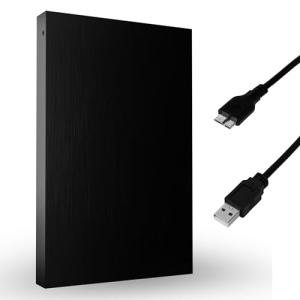
| Included Accessories | Typically includes a single USB-A to Micro-B or USB-C cable. Often minimal to no included software. | The minimalist approach reflects its budget price point, focusing solely on the core function of data storage. |
1. Capacity and Use Case Specificity
At 250GB, the capacity of this portable external hard drive must be managed carefully. It is not designed to hold a full laptop image or a massive library of 4K videos. Instead, it is perfectly suited for highly specific use cases, such as backing up a single folder of critical business documents, storing a multi-semester collection of college papers, or holding a compressed photo library.
You should view this drive as a large, permanent replacement for a standard flash drive, offering much more reliable storage for essential data. The size is ideal for creating a dedicated, easily identifiable backup for a single project or data category.
2. Speed Performance for Basic Needs
The USB 3.0 interface is more than fast enough for the primary tasks this drive is intended for. When transferring a collection of word documents, spreadsheets, or small batches of photos, the speed of 80– 100 MB/s is functionally instantaneous. You will not notice significant lag during these types of basic file transfers.
However, if you attempt to move multi-gigabyte files (like a large video project) you will notice the mechanical drive bottleneck. For its intended audience of basic users, the speed is entirely acceptable, providing a major step up in transfer rates from the old USB 2.0 standard.
3. Simplicity and Power Draw
The plug-and-play nature of this 250GB portable drive is its main non-speed-related feature. You simply connect it, and it works—no drivers or external power needed. This makes it an invaluable tool for users who are less technically inclined or who need a reliable, quick solution for a temporary or emergency backup.
Drawing all its power from the USB connection means the device is truly portable and does not rely on finding an available wall outlet. This flexibility is perfect for moving between classrooms, libraries, or various computers within a home office environment.
User Profiles
1. The Traveling Student
You are a high school or college student who needs a reliable, tiny drive to store and transport your current semester’s class assignments, presentations, and core research documents. Your budget is extremely tight, and your primary concern is portability and cost.
-
Use Case: You finish a major research paper on the library computer and need to quickly save the final file and all associated source material to a drive before leaving.
-
The Fit: The 250GB capacity is more than enough for all your text-based schoolwork. The drive is so small it can fit anywhere, and its low cost makes it a great, low-risk investment for your essential academic files. The USB 3.0 speed is plenty fast for moving documents and small video presentations.
2. The Budget Home User for System Backups
You have a relatively new laptop or PC and primarily need a small, dedicated drive to hold the system recovery files, driver backups, or occasional snapshots of your core operating system settings. You don't need a massive media library backup.
-
Use Case: You are creating a "recovery image" of your Windows laptop's operating system environment in case of a crash, which typically requires around 150GB of dedicated space.
-
The Fit: This 250GB drive is the perfect size for this exact task. Its capacity ensures the recovery partition fits cleanly, and dedicating the drive to this single, crucial purpose means you always know where your system recovery file is stored.
3. The Dedicated Data Shuttle
You work at an office or clinic and need a simple, physical medium to securely transfer a small batch of non-sensitive data between two physically separated, air-gapped computer systems.
-
Use Case: You need to move a batch of daily usage logs, totaling about 15GB, from a secured, disconnected machine to a network-enabled machine for upload.
-
The Fit: The small size of the drive is perfect for this "data shuttle" role. The USB 3.0 speed makes the transfer quick, and the single-purpose nature of the drive makes the data transfer process secure and easily manageable, without carrying excessive, unnecessary capacity.
"Complementary HomeTechCorner Category Recommendations"
| Recommended Products | Why This Category Is Useful Specifically for This Product | Short Usage Scenario |
| Usb C Hubs | Many modern, thin laptops lack USB-A ports, making a hub essential to connect this standard USB 3.0 drive. | You connect the USB-C hub to your slim laptop, instantly giving you the necessary USB-A port to plug in your 250GB portable hard drive for a quick document transfer. |
| Uninterruptible Power Supplies Ups | Protecting the host computer from sudden power loss is vital when an HDD is connected and actively spinning. | A brief power flicker occurs while you are backing up your documents, but the UPS keeps your computer running, ensuring the drive safely completes the write process. |
| Laptop Stands | Elevating your laptop helps keep it cool, which prevents the host computer from throttling USB power or speed during a prolonged file transfer. | You place your laptop on a stand, ensuring cool, consistent performance as you transfer hundreds of small files to your 250GB drive. |
| Smart Notepads | Users of basic storage often appreciate other simple, non-digital productivity tools for organization. | You use your smart notepad to quickly jot down a list of all the files you’ve backed up to the 250GB drive for easy reference later. |
| Ergonomic Mice Keyboards | For users who value simplicity, a comfortable input device makes the experience of managing files on the drive more pleasant. | While organizing the files on your external drive, your wrist stays comfortable thanks to your ergonomic mouse and keyboard. |