2. 🔌 Choosing Your System: Key Features and Compatibility
When selecting your Standing Desk Stools , you must prioritize the height adjustment mechanism (pneumatic vs. electric), the quality of the non-slip base, and the overall stability and weight capacity.
Essential Variations and Support Styles
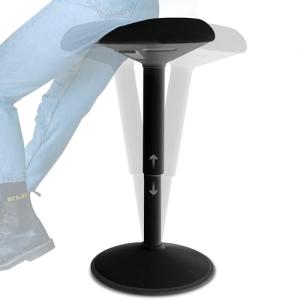
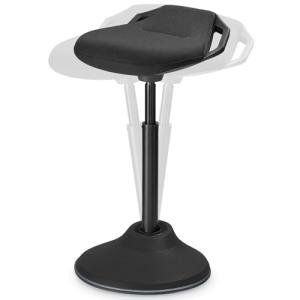
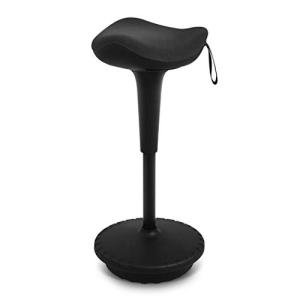
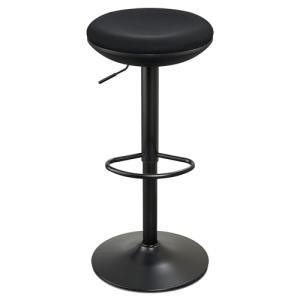
Standing Desk Stools are primarily differentiated by their adjustment method and their base type:
-
Pneumatic/Hydraulic Stools (Quick Manual Adjust):
-
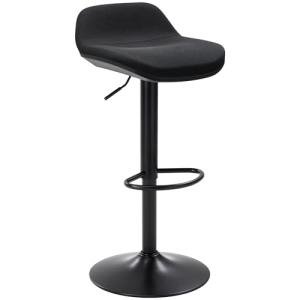
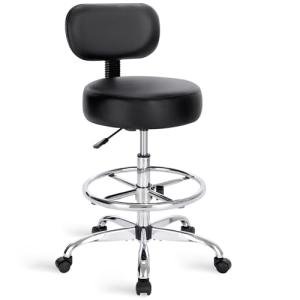
Pros: These utilize a gas lift cylinder for quick, easy manual height changes via a lever or button under the seat. They are robust, highly portable, and generally the most affordable option. They are non-electronic, meaning zero power consumption and no Remote Access dependency.
-
Cons: They lack the memory presets of electric models and require manual effort for adjustment.
-
US Lifestyle Context: Ideal for a hot-desking setup or a multi-user office environment in a growing tech company, where multiple individuals need quick adjustments to their preferred perching height.
-
Active/Tilting Base Stools (Movement Focus):
-
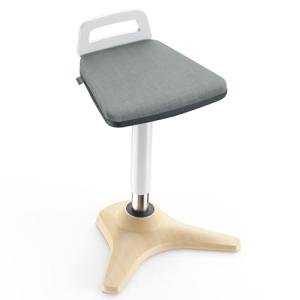
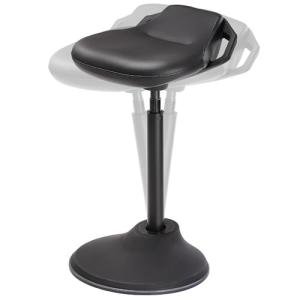
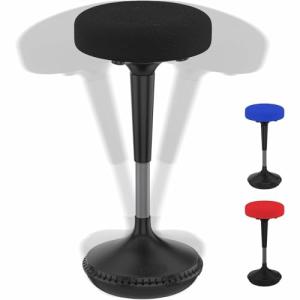
Pros: These Standing Desk Stools feature a rounded or weighted rubber base that promotes rocking, tilting, and swiveling. This forces minor core muscle engagement, increasing calorie expenditure and preventing muscular stagnation. This active use is the main health benefit of perching.
-
Cons: Requires clear floor space (no cluttered cables) for safe rocking movement. The tilting motion takes some getting used to.
-
US Lifestyle Context: Perfect for a creative professional in a Chicago studio who uses a collaborative workspace and prioritizes constant micro-movement for alertness and focus.
-
Smart/App-Enabled Stools (Monitoring Integration):
-
Pros: Premium models may incorporate sensors to track sitting duration, pressure, and postural changes. This data syncs via Bluetooth to an app, providing a data stream for 24/7 Monitoring and reporting usage statistics. This integrates the chair into your smart health regime.
-
Cons: Higher cost and requires battery replacement or charging for the sensor mechanism. The smart features offer minimal practical impact compared to core ergonomic benefits.
Compatibility Protocols
While Standing Desk Stools are mechanical, their functional compatibility is tied to the desk and sensors they integrate with, ensuring seamless transitions and data collection.
-
Height Alignment: The stool's maximum height must overlap with the Electric Standing Desks 's standing height range. Proper height matching ensures your hips and knees are at the correct angle (slightly obtuse) while perching.
-
Low-Power Sensing: If the stool includes a sensor, it should use Bluetooth Low Energy (BLE) for connection. This low-power consumption design is vital for maximizing battery life, which directly contributes to the accessory's Energy Efficiency .
-
Smart Desk Coordination: The physical height of the Standing Desk Stools can be used to set a dedicated memory preset on your Electric Standing Desks , allowing you to transition quickly from perching to full standing.
3. 🛠️ Installation and Setup Walkthrough
Installing Standing Desk Stools is almost universally simple, often requiring only component insertion without tools. The critical focus is on achieving the perfect ergonomic height relative to your specific standing desk.
Pre-Installation Preparations
-
Desk Height Set: Ensure your Electric Standing Desks is set to your comfortable standing height preset. This measurement dictates the optimal stool height.
-
Floor Surface: If the stool has a rubberized active base, ensure the floor is clean and non-slippery. If the floor is carpeted, ensure the stool base can still pivot and move freely without excessive resistance.
-
Charge Sensors (If Applicable): If your stool includes smart sensors, fully charge them or install new batteries before assembly.
Installation Guide (Typical Pneumatic Stool)
-
Assemble Base: Insert the foot ring or base plate onto the central cylinder.
-
Insert Cylinder: Insert the hydraulic/pneumatic cylinder (with the release button or lever attached) into the base hole.
-
Attach Seat: Place the seat securely onto the top of the cylinder. Pressure from sitting down usually seals the components.
-
Height Calibration (CRITICAL): Raise the stool to its maximum height. Adjust the height down so that when you perch, your body angle (trunk to thigh) is slightly greater than 90 degrees. This ensures active engagement, where you are leaning, not sitting.
-
Test Stability: Test the tilt and stability of the Standing Desk Stools to ensure it remains stable yet allows for necessary micro-movement.
Troubleshooting Common Issues
-
Issue 1: Stool Hydraulics Fail/Slowly Sink.
-
Issue 2: Stool Slides Too Much When Leaning.
-
Issue 3: Smart Sensor Fails to Report Usage Data.
4. Advanced Automation and Maximizing Value
While non-electronic, Standing Desk Stools are key to maintaining the ergonomic flow initiated by your smart desk, preventing a full return to static sitting.
Powerful Automation Scenarios
-
Perch Time Tracking: You integrate the stool's sensor data into a health dashboard. An automation tracks the time spent standing (full weight on the floor) versus perching (partial weight on the stool). The system sends a notification via Remote Access if you perch for too long, encouraging a return to full standing or sitting, promoting dynamic work habits. This provides essential 24/7 Monitoring of health metrics.
-
Stool Position and Desk Height: You use a physical tag (like an NFC sticker) on the stool. When the stool is moved out of the way, an automation moves the Electric Standing Desks up to a pre-set 'Full Standing' height. When the stool is returned, the desk moves to 'Perching Height,' maximizing convenience and workflow Energy Efficiency .
-
Occupancy Lighting Control: A subtle Motion/Presence Sensors is installed near the floor by the stool. When the sensor detects you have left the perching area, an automation starts a countdown to turn off task lighting (via a Smart Desk Lamp ) after 15 minutes, ensuring light is only used when the workspace is occupied, contributing to Energy Efficiency .
Longevity & Maintenance
The longevity of Standing Desk Stools is determined by the quality of the pneumatic cylinder and the sturdiness of the base. Periodically check the base and seat connection bolts for tightness. Keep the cylinder clean and dry to prevent corrosion. For smart models, prioritize replacing the internal battery before failure to ensure continuous 24/7 Monitoring of your health data. Consistent movement prevents the hydraulic seals from drying out, indirectly contributing to the stool's life.
5. COMPLEMENTARY CATEGORY RECOMMENDATIONS (MANDATORY TABLE)
| Recommended Categories |
Why This Category Is Useful Specifically for This Product |
Short Usage Scenario |
| Electric Standing Desks |
The primary partner; the stool is necessary to provide an active rest position within the desk's standing height range. |
The user moves the electric desk to the height that allows comfortable perching on the Standing Desk Stools . |
| Anti Fatigue Mats |
Mats provide crucial cushioning for the feet, which bear partial weight even when perching on the stool. |
The user places the stool base on the mat for better comfort and stability while leaning. |
| Motion Presence Sensors |
Sensors detect when the user leaves the stool area, triggering office light and Energy Efficiency routines. |
The sensor detects the user leaving the stool, triggering the office light to fade off after 10 minutes. |
| Smart Desk Lamps |
Task lighting is controlled by the user's presence near the stool, ensuring focused light when working. |
Sitting/perching on the stool triggers the Smart Desk Lamps to turn on at a focused brightness. |
| Voice Assistants |
Voice control can be used to manage the Electric Standing Desks height to match the stool's fixed perching height. |
Commanding, "Hey Assistant, set the desk to Perch Height," triggers the adjustment. |
| Monitor Arms Stands |
Monitor arms ensure the screen's height is correct for both standing and perching positions, maximizing ergonomic benefit. |
Adjusting the monitor arm to align the screen with the eye level while perching on the stool. |
| Smart Home Control |
Used to link the stool's usage data (if smart) to external health platforms and logging systems for 24/7 Monitoring . |
The control app logs the duration of active sitting/perching into the user's health profile. |
| Smart Wall Outlets |
Provides a reliable power source for an adjacent smart desk or charging hub, which the stool user relies on. |
The stool is moved aside, revealing the Smart Wall Outlets used to charge the user's smart watch. |
Standing Desk Stools are the intelligent missing piece for any dynamic workspace, providing the necessary active rest to maximize the health benefits of your Electric Standing Desks . They ensure continuous muscle engagement, reduce fatigue, and support flexible posture, all while providing key data for your ergonomic 24/7 Monitoring . By choosing a quality stool, you invest in personal Energy Efficiency and sustained comfort. Optimize your sit-stand routine—get your Standing Desk Stools today and find the perfect balance.