Standing for long periods can take a significant toll on the body, leading to joint fatigue and lower back discomfort. Anti-fatigue mats serve as a specialized buffer between the feet and hard flooring, encouraging subtle muscle movements that improve circulation. This guide explores the diverse options available, from traditional office mats to dynamic balance boards designed for active workstations.
Anti-Fatigue Mats
Stand comfortably and give your feet the support they need with our anti-fatigue mats
Product List
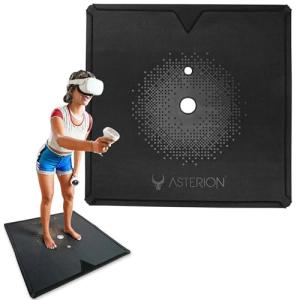
Asterion 41" Rollable VR Mat
Asterion
Product Review Score
4.99 out of 5 stars
199 reviews$59.33 $49.33

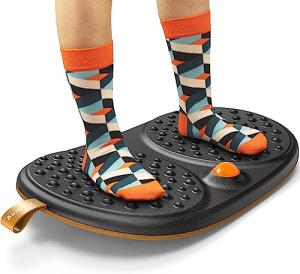
Trobing Standing Desk Mat Balance Board with...
Trobing
Product Review Score
4.89 out of 5 stars
218 reviews$68.85
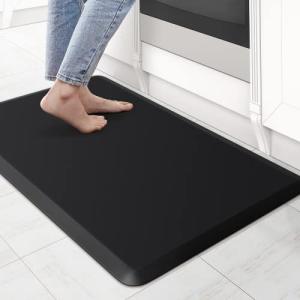
Comfort Kitchen Mat 17.3"x28
Kitchenclouds
Product Review Score
4.66 out of 5 stars
103 reviews$21.99 $13.48
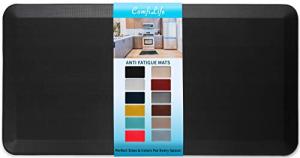


Mattitude Non-Slip Kitchen Mat
Mattitude
Product Review Score
4.97 out of 5 stars
201 reviews$15.99 $13.59


Ergonomic Anti-Fatigue Kitchen Mat
Featol
Product Review Score
4.61 out of 5 stars
146 reviews$67.99 $47.48
💡 Practical Usage Tips
- It is best to use these mats with flat-soled shoes or bare feet, as high heels can puncture the surface and reduce the lifespan of the cushioning.
- Maintaining a dry and clean subfloor is essential to ensure the non-slip backing stays firmly in place during use.
- For mats that arrive rolled up, allowing them to sit flat for 24 to 48 hours helps the material lose its "memory" and lay perfectly flush against the floor.
- If using a dynamic board, pair it with a height-adjustable desk to account for the extra few inches of height added by the platform.
✅ What to Look For & ⚠️ What to Avoid
Must-Haves:
- Look for a BEVELED EDGE design, which helps prevent tripping when stepping on or off the mat.
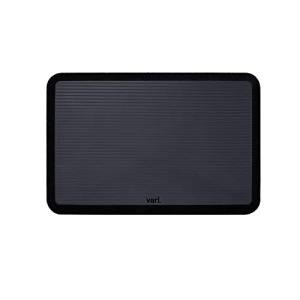
- High-density materials like those found in the Vari Standing Mat are preferable because they won't "bottom out" under your weight over time.
- A WATERPROOF SURFACE is vital for kitchen use or high-traffic areas where spills are likely to occur.
Red Flags:
- Avoid mats that are too thin, as a low STACK HEIGHT often fails to provide enough support for shifts lasting longer than an hour.
- Be cautious of strong chemical odors, which indicate that a product may need significant time to air out before it is comfortable for indoor use.
- Watch out for lightweight PVC mats on polished tile, as they may slide around if they lack a high-quality FRICTION COEFFICIENT on the underside.
🛡️ Build Quality & Performance
The durability of an anti-fatigue mat is largely determined by its core material. High-quality options typically feature a SOLID-CORE POLYURETHANE or an NBR COMPOSITE. These materials feel firm yet responsive, offering a "bounce-back" effect that prevents the mat from becoming permanently flattened. For instance, the ComfiLife Anti Fatigue Floor Mat uses a thick 3/4-inch foam that provides a consistent thermal barrier and joint decompression throughout the day.
Performance also extends to how the mat handles movement. Some models incorporate a SINGLE-PIECE MOLDED CHASSIS, which is an engineering choice that prevents the layers from peeling apart at the seams. For more active users, hybrid designs that combine wood and rubber offer a different kind of longevity, supporting much higher weight capacities while encouraging core engagement through controlled instability.
🏆 Top Recommendations
| Best For | Model Name | Key Feature | Why It Wins |
|---|---|---|---|
| Office Workstations | Vari Standing Mat | High-Density Core | Maintains its shape even under heavy daily use. |
| Virtual Reality | Asterion VR Mat | Tactile Center Nub | Provides physical cues for spatial orientation in VR. |
| Active Standing | Trobing Balance Board | Integrated Rollerball | Encourages foot movement and core stability. |
| Combo Workspace | Mushyn 2-in-1 | Rolling Chair Zone | Combines a hard chair mat with a cushioned standing area. |
❓ Frequently Asked Questions
How do anti-fatigue mats actually help?
These mats provide a subtle level of instability that forces your leg muscles to make tiny adjustments. This prevents blood from pooling in the legs and reduces the strain on your heart and lower back.
Can I use an anti-fatigue mat on carpet?
While it is possible, most mats are designed for hard surfaces like wood or tile. On thick carpet, a mat might shift more easily or feel overly squishy, which could reduce the ergonomic benefits.
What is the best way to clean these mats?
Most mats can be cleaned with a damp cloth and mild soap. It is important to avoid harsh chemicals that could break down the polyurethane or NBR foam over time.