🗺️ The Component Breakdown: Analyzing Product Types for Safety Monitors
To build a complete, resilient system, you must think of Safety Monitors in terms of the threat they address: Life Safety Alerts , Environmental Preservation , and Physical Security .
Group 1: Life Safety Alerts
This critical group addresses immediate threats to human health, covering Smart Smoke/CO Alarms and Air Quality Alarms .
-
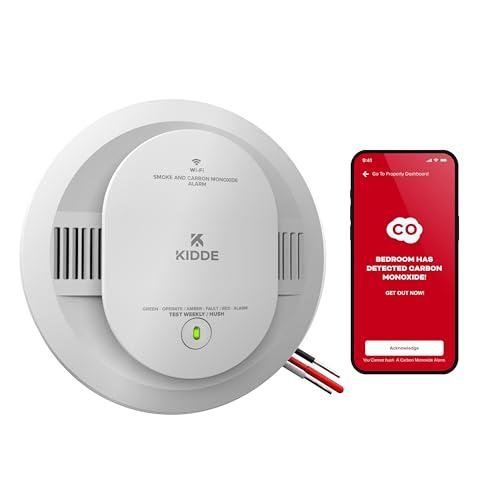
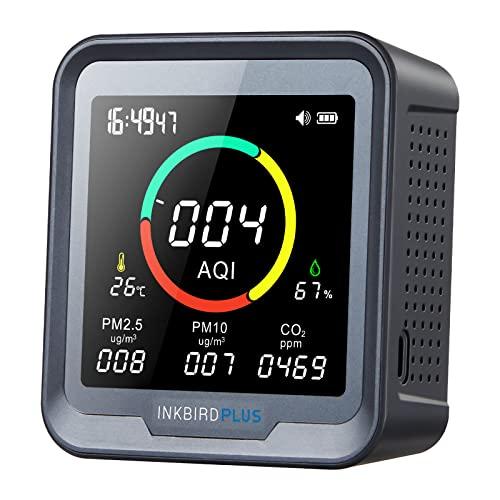
Utility: Smart Smoke/CO Alarms are essential replacements for traditional detectors. They not only sound a loud local alarm but also send instant alerts to your phone and often notify emergency services automatically. Crucially, they link together, so if one alarm detects an issue, all alarms sound—a vast improvement in Secure Monitoring . Air Quality Alarms monitor for harmful chemicals, volatile organic compounds (VOCs), or fine particulate matter, providing the data needed to maintain healthy interior air, promoting Enhanced Comfort .
-
Choice Guidance: Install Smart Smoke/CO Alarms on every floor and in every bedroom for maximum life safety. Use Air Quality Alarms in areas like the kitchen or home office where chemicals or high particulate matter might be present, allowing you to proactively activate a smart air purifier or fan. These Safety Monitors are non-negotiable for family well-being and preventative health.
Group 2: Environmental Preservation
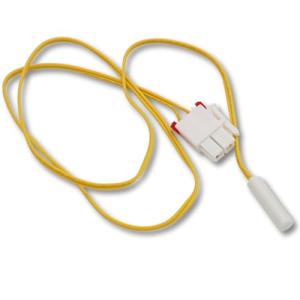
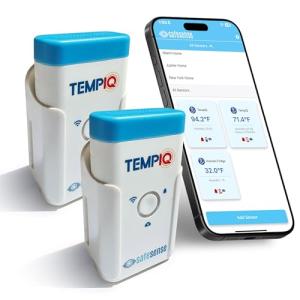
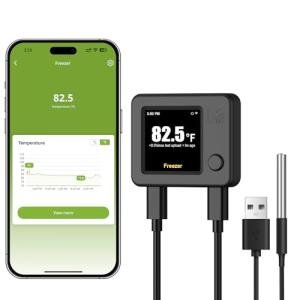
This group focuses on protecting your home structure and valuable contents from damage, featuring Water Shut-off Valves and Freeze/Temp Sensors .
-
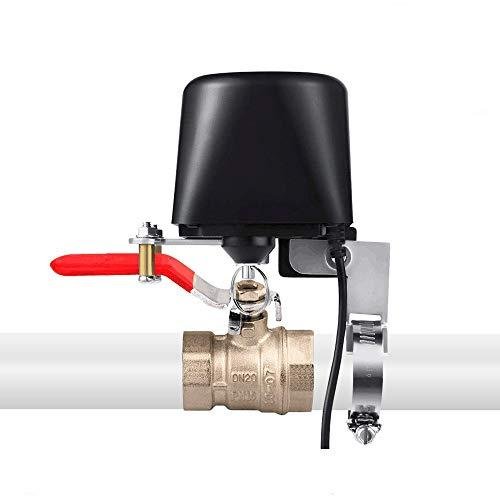
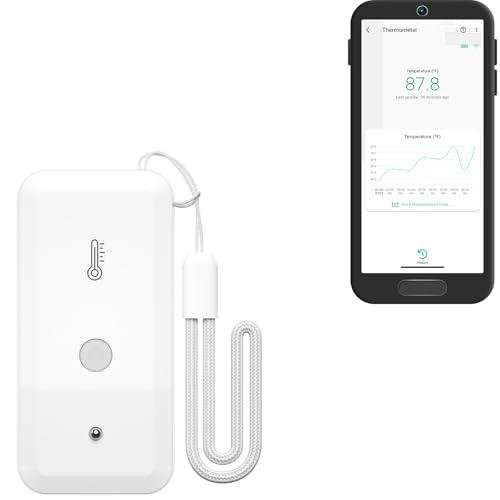
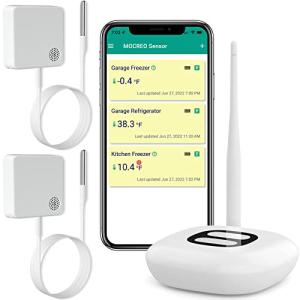
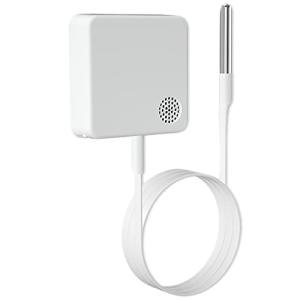
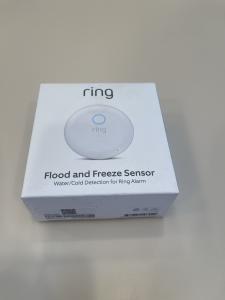
Utility: Water Shut-off Valves are the ultimate preventative tool. When triggered by a water leak detector (a complementary smart sensor), they automatically cut the water main, preventing catastrophic flooding—the ultimate form of automated Secure Monitoring . Freeze/Temp Sensors monitor critical areas like attics, basements, and crawl spaces. They alert you to extreme temperatures that could lead to frozen pipes or HVAC failure, enabling timely intervention that maximizes property protection and Enhanced Comfort .
-
Choice Guidance: A Water Shut-off Valve is essential for homeowners, particularly those monitoring a vacation home or managing property remotely. Pair them with Freeze/Temp Sensors in vulnerable zones. This combination offers unparalleled Seamless Control over potential infrastructure disasters, significantly reducing insurance claims and repair costs.
Group 3: Physical Security
This group addresses the security of physical assets within the home, encompassing Smart Safes .
-
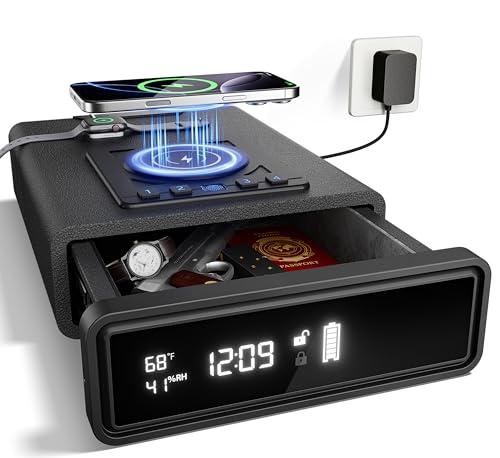
Utility: Smart Safes provide a secure, connected location for valuables, documents, or firearms. They offer features like remote access, tamper alerts, and biometric security. This is a specialized form of Secure Monitoring , ensuring only authorized users can access sensitive contents while providing an audit log of attempts and entries.
-
Choice Guidance: Choose a Smart Safe based on the items you need to secure, prioritizing models that integrate with your primary smart home hub to receive instant tamper alerts and remote access controls. This combines high physical security with digital Seamless Control .
Layering & Integration
A resilient Safety Monitors system requires linking the detection (alarms, sensors) to the prevention (valves, climate control) for autonomous response.
-
Establish Detection Grid: Install Smart Smoke/CO Alarms and Air Quality Alarms throughout the house, forming the first alert layer.
-
Cover Environmental Threats: Deploy Freeze/Temp Sensors and leak detectors (from the complementary sensor category) in risk zones, backing them up with a central Water Shut-off Valve .
-
Automate Response: Integrate the alarms and sensors with your hub. If a Smart Smoke/CO Alarm is triggered, the system can automatically unlock all doors and activate path lighting (via smart switches), ensuring a clear exit for Enhanced Comfort and safety.
-
Proactive Protection: Program your Safety Monitors so that a low-temperature alert from a Freeze/Temp Sensor automatically triggers the smart thermostat to raise the heat, preventing the emergency before it happens, demonstrating true Seamless Control .
🧪 Key Technical Standards and Advanced Use Cases
For Safety Monitors , reliability and timely alerts are non-negotiable. Look for devices utilizing Z-Wave or Zigbee for low-power, high-reliability mesh networking, ensuring battery life and continuous monitoring. Critically, Smart Smoke/CO Alarms should use multi-sensor technology (photoelectric and ionization) for detecting different types of fires and include battery backup. Any device handling infrastructure control, like a Water Shut-off Valve , should feature a reliable, high-torque motor and robust encryption. Modern integration via Matter ensures these life-saving devices communicate instantly with your voice assistants and smart displays, guaranteeing prompt Secure Monitoring and alert broadcasting.
Advanced Usage: Remote Infrastructure Defense
You can leverage the power of Safety Monitors to protect your home from infrastructural failures while you are traveling.
-
Micro-Scenario (Monitoring a vacation home): You are managing a property from across the country. A Freeze/Temp Sensor in the attic reports the temperature is dropping rapidly. The system automatically cross-references the sensor data with the outside weather forecast. If the temperature is below freezing, the hub sends you a critical text alert and, using the Seamless Control interface, you manually or automatically command the Water Shut-off Valve to close the main water line, preventing potential pipe bursts.
-
Safety Coordination: If a Smart Smoke/CO Alarm detects smoke, the system automatically triggers a routine: it illuminates the exit path with smart lights, sends a precise location alert (e.g., "Smoke detected in Basement"), and uses a connected smart display to display emergency exit instructions, maximizing Enhanced Comfort during a crisis and ensuring everyone receives the highest level of Secure Monitoring .
4. Lifestyle Guide
The Simplicity-Seeking User (The Essential Protector)
You prioritize basic, non-intrusive safety alarms that provide remote notification for peace of mind, focused on protecting family health and avoiding common disasters.
-
The Fit: The most critical components are Smart Smoke/CO Alarms and the essential Water Shut-off Valves . The alarms provide life safety, while the valve offers passive, automated defense against flooding. This combination ensures fundamental, reliable Secure Monitoring for the two biggest domestic threats, all while offering remote status checks that enhance Enhanced Comfort .
-
Recommendation: Smart Smoke/CO Alarms combined with Water Shut-off Valves .
The Performance-Focused User (The Comprehensive Manager)
You demand proactive, data-driven defense against all threats—fire, flood, air quality, and temperature extremes. You require the system to self-correct automatically before intervention is necessary.
-
The Fit: You need a layered approach: Smart Smoke/CO Alarms throughout the house, a Water Shut-off Valve on the main line, and multiple Freeze/Temp Sensors in vulnerable zones. Add an Air Quality Alarm for data on environmental health. This robust combination ensures continuous Secure Monitoring of every variable and provides the necessary data for complex, preventative routines, offering ultimate Seamless Control .
-
Recommendation: Smart Smoke/CO Alarms combined with Water Shut-off Valves and Freeze/Temp Sensors .
The Budget-Expansion User (The High-Value Defender)
You are building a safety system gradually. You prioritize components that prevent the most expensive damage first and can be integrated into your existing security alarm system.
-
The Fit: Start with a Water Shut-off Valve (to prevent flood damage) and one or two Freeze/Temp Sensors to cover the lowest-risk areas (like the water heater closet). This defends against infrastructure failure—the most costly damage. You can then add Smart Smoke/CO Alarms to the most critical locations (kitchen, master bedroom). This strategy addresses the highest financial and life-safety risks first, ensuring cost-effective Secure Monitoring and future Seamless Control .
-
Recommendation: Water Shut-off Valves combined with Freeze/Temp Sensors .
5. COMPLEMENTARY CATEGORY RECOMMENDATIONS
| Recommended Categories |
Why This Category Is Useful Specifically for This Product |
Short Usage Scenario |
| Smart Sensors |
Leak detectors and contact sensors provide the crucial localized input that triggers centralized Safety Monitors like the Water Shut-off Valve . |
A floor leak sensor detects water and signals the water shut-off valve to close the main line. |
| Central Hubs |
A hub is necessary to coordinate the response of various Safety Monitors and trigger complex automation routines based on their alerts. |
The hub receives a high-CO alert and automatically unlocks all smart locks for emergency egress. |
| Lighting Climate |
Smart lighting and smart vents/fans can be automated by Safety Monitors (like CO/Air Quality Alarms) for safety and Enhanced Comfort . |
An Air Quality Alarm detects high VOCs and turns on the smart exhaust fan to clear the air. |
| Alarm Systems |
The alerts from Smart Smoke/CO Alarms and freeze sensors can be routed through a dedicated alarm system for professional monitoring/callout. |
The Smart Smoke Alarm detects fire and triggers the external alarm siren as a deterrent. |
| Smart Displays |
Displays provide the visual interface to show critical Secure Monitoring information (like CO levels or emergency instructions) instantly. |
A smart display shows an emergency message and a visual map of the house when an alarm sounds. |
| Switches Relays |
Safety Monitors can trigger smart switches to turn on emergency path lighting or shut off power to circuits in case of fire. |
A fire alarm triggers a smart wall switch to turn on all lights to 100% brightness. |
| Voice Assistants |
Voice assistants can verbally broadcast emergency alerts and critical status updates throughout the home for Seamless Control . |
The voice assistant announces, "Carbon monoxide detected in the basement!" |
| Smart Locks |
The status of Smart Locks must be tied to fire and CO alerts to ensure doors automatically unlock during an evacuation. |
A Smart Smoke Alarm signals the smart lock to automatically retract the deadbolt. |