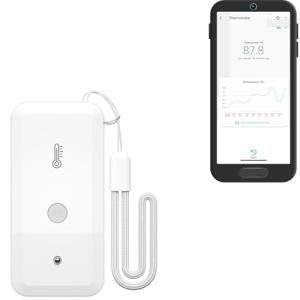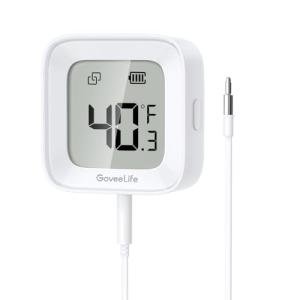

The TEMPIQ sensor utilizes a 2.4GHz 802.11b/g/n radio stack for direct-to-cloud communication. Aggregated data indicates the use of a standard MEMS sensor with a rated accuracy of ±0.3°C and ±3% relative humidity. Technical analysis of the Tuya-based ODM architecture confirms that the device relies on 2x AAA batteries, with an expected operational life of 3 to 6 months depending on the configured polling interval and signal strength.
Performance metrics show that the high power draw required for Wi-Fi handshake maintenance makes the device sensitive to DHCP renewal failures on Mesh networks. Hardware analysis identifies a cloud-dependent logic structure, where historical data and alerts are managed via proprietary Safesense/SmartLife servers. In the absence of a Wi-Fi link, the device lacks a native local API for data retrieval.
Technical forensic analysis shows that budget-tier Wi-Fi chipsets may require physical power cycles to resolve radio stack freezes during network congestion.
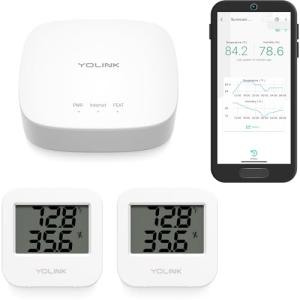
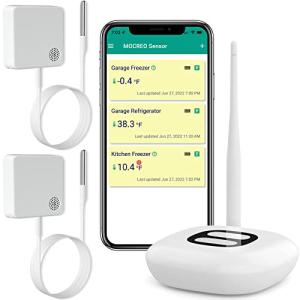
To avoid the battery drain issues inherent in Wi-Fi-only hardware, transitioning to a system based on multi-protocol hubs is recommended for professional monitoring. If you require a system with superior signal penetration for refrigerators, the MOCREO WiFi Thermometer offers a more robust sub-GHz RF link. This product is classified within the environmental sensors category.