Managing household plumbing has evolved significantly from manual levers to sophisticated automated systems that can prevent catastrophic water damage. Modern shut-off solutions act as a critical safety layer, capable of detecting leaks and stopping flow before moisture destroys flooring or drywall. Whether integrating a professional inline unit during a renovation or adding a simple retrofit motor to an existing handle, selecting the right hardware ensures that a home remains dry and secure even when no one is watching.
Water Shut-off Valves
Easily control water flow and prevent leaks with smart shut-off valves
Product List
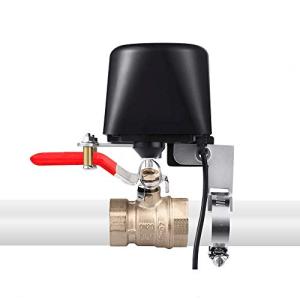
WiFi Bluetooth Smart Water Timer
Tokatuker
Product Review Score
4.66 out of 5 stars
34 reviews$36.99
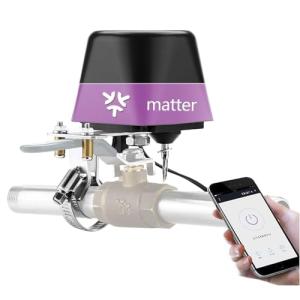
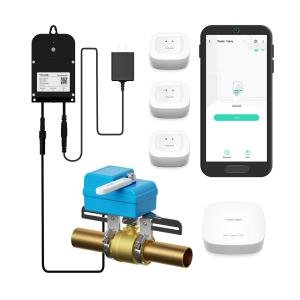
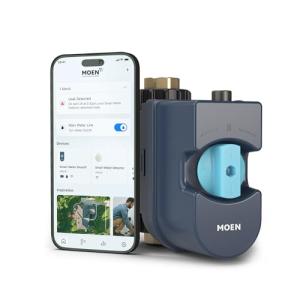
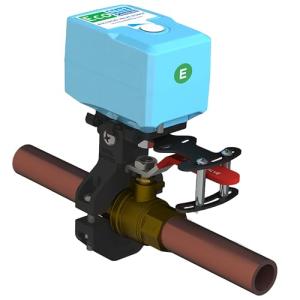
Bulldog Smart Water Valve
Econet Controls
Product Review Score
4.5 out of 5 stars
51 reviews$215.00
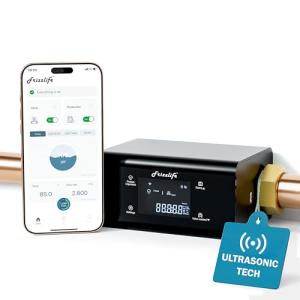
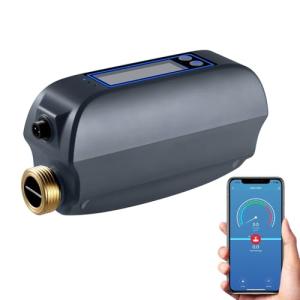
Frizzlife LP365 Smart Water Monitor
Frizzlife
Product Review Score
4.83 out of 5 stars
65 reviews$329.99 $279.99
💡 Practical Usage Tips
- Prioritize Local Communication Logic: Systems that use Device-to-Device (D2D) pairing or local mesh networks ensure the water shuts off immediately even if the home internet connection is down.
- Account for Signal Interference: Metal pipes and appliances can block wireless signals, so choosing a long-range protocol like LoRa or Sub-GHz is often more reliable than standard Wi-Fi for basement installations.
- Schedule Regular Mechanical Exercise: Valves that sit in one position for years can seize up due to mineral deposits, so it is wise to set a monthly schedule to open and close the valve to keep it moving freely.
- Plan for Power Outages: Electronic valves require electricity to operate, so installing a unit with a battery backup or an easily accessible manual clutch ensures control is maintained during storm-related blackouts.
✅ What to Look For & ⚠️ What to Avoid
✅ The "Must-Haves"
- High Torque Output is essential for retrofitting older homes where existing valve handles might be stiff or calcified.
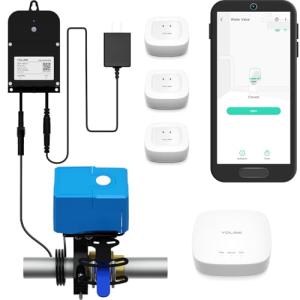
- Look for systems that offer offline reliability, such as the YoLink Water Leak Detection Kit, which uses a direct handshake protocol that bypasses the cloud.
- Metal gearing or reinforced internal components are preferred over plastic alternatives to ensure the motor does not strip its gears when encountering resistance.
- A physical manual override feature allows the homeowner to open or close the water supply by hand if the electronic actuator fails.
⚠️ The "Red Flags"
- Avoid devices that rely exclusively on cloud connectivity for automation, as a server outage could render the safety system useless during a leak.
- Be cautious of clamp-on units with flimsy plastic mounting brackets, as they often flex under load and fail to fully close the valve.
- Units with high phantom battery drain can lead to unexpected failures, particularly in "smart" timers that wake up frequently to check for network signals.
- Low-voltage motors often lack the necessary power to turn 1-inch plumbing fixtures, potentially stalling halfway through a closure cycle.
🛡️ Build Quality & Performance
The durability of a water shut-off system largely depends on whether it is an Interceptive inline unit or a retrofit clamp-on actuator. Retrofit options are convenient because they attach to existing plumbing, but they rely heavily on the structural integrity of the external chassis. Lower-end models often use ABS plastic brackets that can bend when the motor applies force, resulting in a valve that only closes partially. In contrast, heavy-duty actuators like the EcoNet Bulldog use larger gearboxes and rigid mounting systems to deliver sufficient force without mechanical distortion.
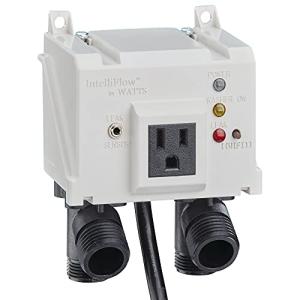
For professional installations, inline systems replace the manual valve entirely with a motorized brass component. These units, such as the Moen Flo or Watts Smart Shutoff, offer superior reliability because the motor is directly coupled to the internal ball mechanism, eliminating friction and alignment issues. While the initial installation requires pipe cutting, the long-term performance benefits include integrated Flow Monitoring and automated health checks that exercise the valve to prevent mineral buildup.
🏆 Top Recommendations
| Best For | Model Name | Key Feature | Why It Wins |
|---|---|---|---|
| Long Range / Large Homes | YoLink Leak Detection Kit | LoRa Protocol (0.25 mile range) | Uses local D2D pairing to work offline and penetrates concrete walls easily. |
| Professional / Inline | Moen Flo Smart Monitor | Micro-leak Detection | Runs nightly health tests to catch drops as small as one per minute. |
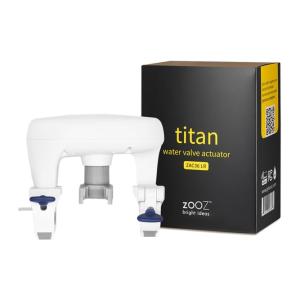
| Z-Wave Retrofit | Zooz Titan ZAC36 | High-Torque Actuator | Powerful enough to turn stiff, aged valves and supports direct probe connection. |
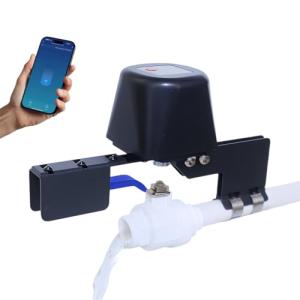
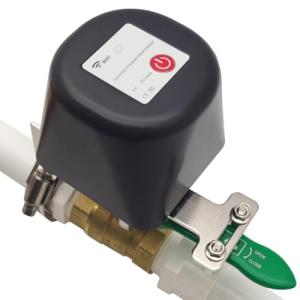
| Budget Friendly | Useelink Smart Valve | Universal Clamp-on | An affordable entry point for standard quarter-turn valves with easy WiFi setup. |
❓ Frequently Asked Questions
Do I need a plumber to install these valves?
It depends on the type of unit selected. Retrofit actuators like the Zooz Titan or Useelink clamp directly onto the existing pipe and handle, requiring only a screwdriver for installation. However, inline systems like the Moen Flo or Watts Smart Shutoff require cutting the main water line, which generally necessitates professional installation.
Will the valve work if the internet goes down?
Many Wi-Fi-based valves rely on cloud servers to process leak alerts, meaning they may fail during an internet outage. Systems using Z-Wave or proprietary protocols like LoRa (found in YoLink products) often support local device-to-device communication, allowing the sensor to trigger the valve directly without internet access.
What happens during a power outage?
Standard motorized valves will not operate without power unless they have a battery backup system. Most units include a manual clutch, often a pull-ring or pin, that disengages the motor gears so the handle can be turned by hand in an emergency.