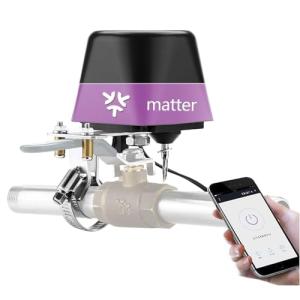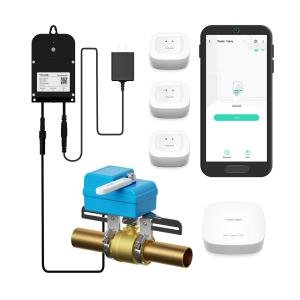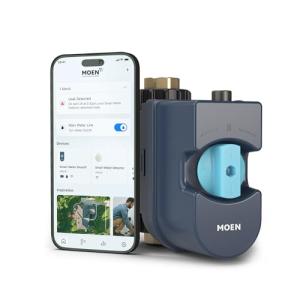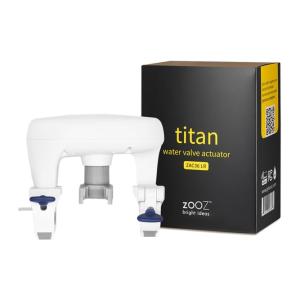

Technical specifications indicate that the hardware utilizes a hybrid wireless protocol, employing Bluetooth Low Energy 4.2 for local configuration and a 2.4GHz Wi-Fi bridge for cloud connectivity. The mechanical architecture relies on a DC latching solenoid powered by two AA batteries. Standardized testing protocols suggest that performance metrics for this valve type degrade significantly when the power source falls below 2.4V, potentially leading to mechanical sticking in either the open or closed state.
Material analysis confirms the external housing carries an IP55 rating for moisture resistance, suitable for atmospheric exposure but susceptible to internal condensation. Operational parameters list a functional pressure range of 7.25 to 116 PSI; however, aggregated data suggests mechanical torque limitations may occur when operating consistently above 80 PSI or in environments with high mineral content in the water supply.
Schematic analysis confirms the internal logic is based on a standard Tuya TYWE3S or similar ESP8266-based module housed within a reinforced plastic chassis.
Functional feature highlights include:
- Primary Control Modes: Bluetooth-to-WiFi Bridge, Local Manual Override.
- Interface Compatibility: Tuya / SmartLife application ecosystems.
- Mechanical Interface: Standard threaded hose connectors with plastic threading.
Aggregated specification data lists a high phantom battery drain when the unit is maintained in "Smart" mode, which may impact the reliability of the latching mechanism over extended cycles.
The Smart Watering Timer serves as an entry-level irrigation solution, though users requiring higher torque for calcified plumbing may prefer a motorized ball valve actuator. This unit is classified within the broader water irrigation hardware group as a specialized endpoint for outdoor hose management.