🗺️ The Component Breakdown: Analyzing Product Types for Alarm Systems
To build a comprehensive and reliable security perimeter, you should categorize the product types within Alarm Systems into Foundational Detection and Response & Control .
Group 1: Foundational Detection
This critical grouping covers the inputs that inform the system of an emergency, focusing on Alarm System Sensors and the core components of kits.
-
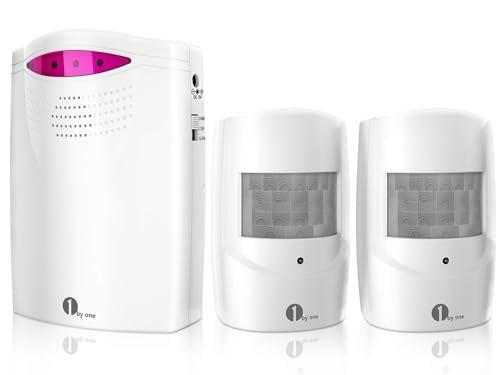
Utility: Alarm System Sensors are the eyes and ears of your security network. This includes door/window contact sensors, motion detectors, and often glass break acoustic sensors. Unlike general smart sensors, these are specifically designed for low-power, high-reliability security protocols (Z-Wave/Zigbee), ensuring battery longevity and instantaneous alert transmission. They are the central point for Secure Monitoring of your entire perimeter.
-
Choice Guidance: When selecting Alarm System Sensors , prioritize devices certified for your system's communication protocol (typically Z-Wave or Zigbee) to ensure reliable reporting. For complete perimeter security, you should use both contact sensors on all exterior doors and motion sensors in high-value internal areas. Layering detection methods provides the highest level of Seamless Control over your security status.
Group 2: Response & Control
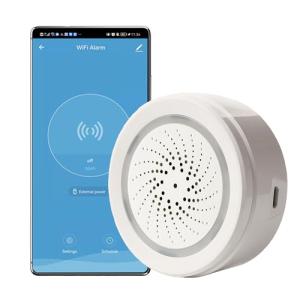
This group ensures you can interact with the system easily and that the system can react powerfully to a threat, featuring Pre-Packaged DIY Alarm Kits and Wireless Sirens/Panic Buttons .
-
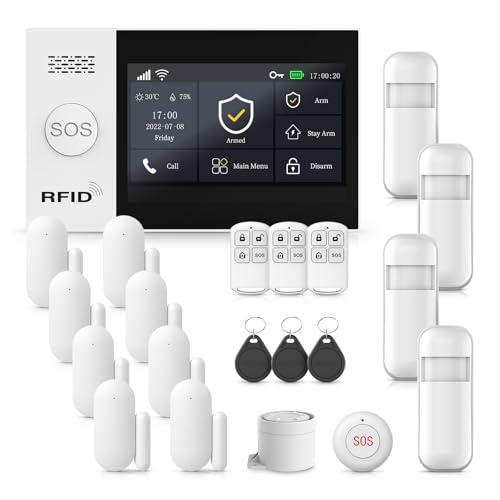
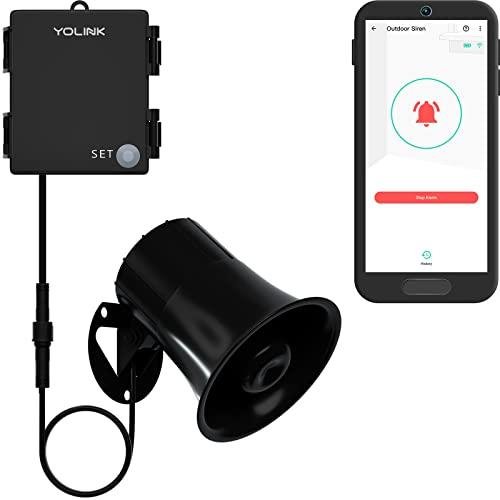
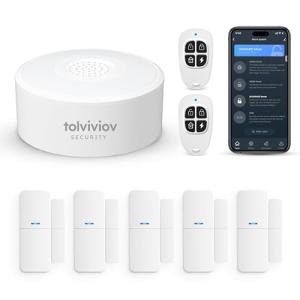
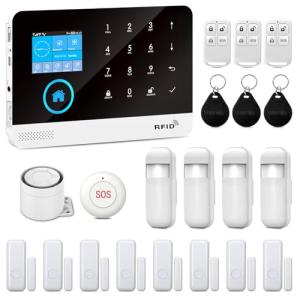
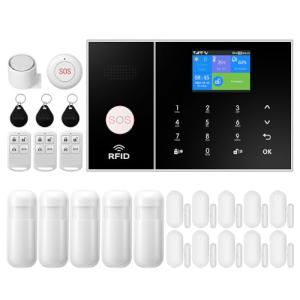
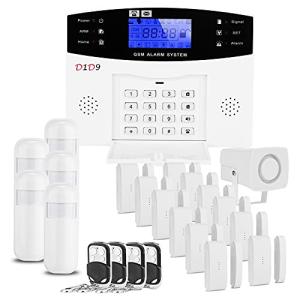
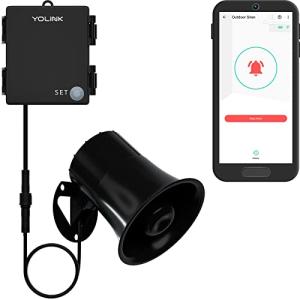
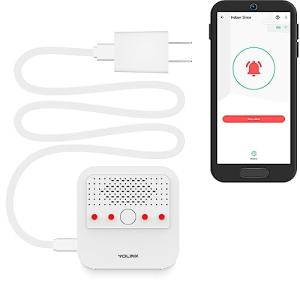
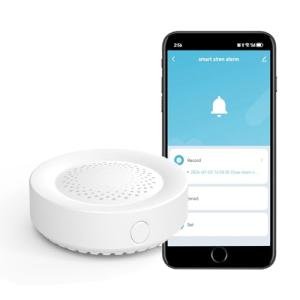
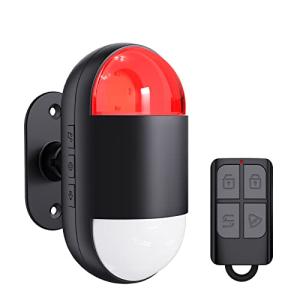
Utility: Pre-Packaged DIY Alarm Kits provide a hub (control panel), keypads, and a starting set of sensors, offering the quickest path to a fully functional alarm system. They guarantee component compatibility and simplify the initial setup, immediately providing effective Secure Monitoring . Wireless Sirens/Panic Buttons are essential for both active deterrence and personal safety. The siren serves as a loud, immediate deterrent during a breach, while the panic button allows immediate, one-touch distress signaling—a crucial enhancement to personal security and Enhanced Comfort .
-
Choice Guidance: If you are starting fresh, a Pre-Packaged DIY Alarm Kit provides the necessary foundation and central controller. Always supplement the kit with at least one external siren and strategically placed panic buttons (e.g., bedside, home office desk) to provide critical, non-app-based security activation and instant response capability. These Alarm Systems elements are necessary for maximum safety and Seamless Control in an emergency.
Layering & Integration
A resilient security structure integrates sensors, control interfaces, and response devices for maximum effectiveness.
-
Establish Core Detection: Start by deploying a Pre-Packaged DIY Alarm Kit for the control panel and base sensors.
-
Ensure Comprehensive Coverage: Add additional Alarm System Sensors (motion, glass break) to secure internal vulnerable areas, extending the reach of Secure Monitoring .
-
Harden the Response: Strategically place Wireless Sirens/Panic Buttons both inside and outside the home. Program the system so that sensor triggers activate the sirens, and panic buttons immediately contact emergency services or predefined contacts.
-
Automate Operation: Integrate the alarm system's arm/disarm status with smart lights and locks. For example, disarming the alarm should automatically unlock the Smart Locks and turn on the entryway lights, providing significant Enhanced Comfort for family members returning home.
🧪 Key Technical Standards and Advanced Use Cases
The reliability of Alarm Systems is directly linked to their communication protocols. Priority should be given to systems utilizing Z-Wave or Zigbee , as these low-power mesh networks offer exceptional battery life for Alarm System Sensors and reliable signal transmission, even through concrete walls. Dual connectivity (cellular backup alongside Wi-Fi) is also a critical, non-negotiable standard for professional-grade Secure Monitoring , ensuring the alarm status is always communicated during an internet or power outage. Modern systems are increasingly Matter-compatible, ensuring future Seamless Control integration with a broader ecosystem of smart home accessories.
Advanced Usage: Contextual Arming and Safety Routines
You can leverage the deep integration capabilities of modern Alarm Systems to create sophisticated, presence-aware security and safety protocols.
-
Scenario: You are optimizing your home office environment. You have a Wireless Siren/Panic Button discreetly placed under your standing desk. You program the system to arm the "Stay" (internal) mode automatically based on a schedule, but with a unique override: if your designated smart lock is unlocked, the alarm instantly disarms, recognizing your arrival for Enhanced Comfort .
-
Automated Environmental Response: Integrate your Alarm Systems with non-security sensors (like smoke/CO alarms). If a smart fire detector goes off, the alarm system can be programmed to automatically unlock all Smart Locks and flash the perimeter smart lights, providing an exit path for family members and directing first responders—a powerful, proactive combination of Secure Monitoring and safety optimization enabled by deep Seamless Control .
4. Lifestyle Guide
The Simplicity-Seeking User (The Hands-Off Watchman)
You require basic, dependable perimeter security and the comfort of knowing help is quickly accessible without relying on complex apps. Ease of use and clear, auditable status are essential.
-
The Fit: A Pre-Packaged DIY Alarm Kit offers the simplest route to comprehensive coverage, including the necessary panel, a few sensors, and easy setup. You gain reliable Secure Monitoring for doors and windows right away. Supplement this with a simple Wireless Siren/Panic Button by your bedside for instant, non-app-based emergency signaling, maximizing Enhanced Comfort and direct control.
-
Recommendation: Pre-Packaged DIY Alarm Kits combined with Wireless Sirens/Panic Buttons .
The Performance-Focused User (The Custom Defender)
You need to tailor every aspect of your security, demanding layered detection, cellular redundancy, and the ability to integrate non-standard sensors into the core system for maximum Secure Monitoring .
-
The Fit: Start with a high-end Pre-Packaged DIY Alarm Kit that supports Z-Wave/Zigbee and cellular backup. Crucially, you will add numerous specialized Alarm System Sensors (e.g., freeze, flood, glass break) to cover every vulnerability. This layered approach ensures that the central panel is fed highly reliable data from multiple sources, providing the deepest level of Seamless Control and customized protection for Enhanced Comfort .
-
Recommendation: Pre-Packaged DIY Alarm Kits combined with extensive Alarm System Sensors .
The Budget-Expansion User (The Phased Protector)
You are building comprehensive security gradually. You need a modular, affordable core system that can be easily expanded with additional detection and response components over time.
-
The Fit: A basic, scalable Pre-Packaged DIY Alarm Kit should be your first purchase, as it provides the essential hub/panel and communication protocol. You should then prioritize purchasing extra Alarm System Sensors (contact/motion) to secure additional windows and internal zones before adding high-end sirens or panic buttons. This allows you to scale your perimeter Secure Monitoring coverage economically and ensures that every dollar spent contributes to reliable Seamless Control .
-
Recommendation: Pre-Packaged DIY Alarm Kits combined with additional Alarm System Sensors .
5. COMPLEMENTARY CATEGORY RECOMMENDATIONS
| Recommended Categories |
Why This Category Is Useful Specifically for This Product |
Short Usage Scenario |
| Smart Locks |
The lock status is tied directly to alarm system arming/disarming status, preventing false alarms and automating entry/exit procedures. |
The system automatically disarms when the primary smart lock is unlocked by a recognized user code. |
| Video Doorbells |
Doorbells provide immediate visual verification of an alarm event, confirming an intrusion for effective Secure Monitoring . |
An alarm siren sounds, and the doorbell starts recording at max resolution to capture the event. |
| Central Hubs |
A dedicated hub often acts as the alarm panel, ensuring Z-Wave/Zigbee sensors communicate instantly and locally for reliable detection. |
The central hub processes a tripped sensor and instantly activates the siren and alerts. |
| Smart Sensors |
Specialized sensors (like water leak or freeze) integrate with Alarm Systems to expand protection beyond intrusion to include environmental threats. |
A freeze sensor detects a pipe risk, triggering the alarm system to send an urgent freeze alert. |
| Automation Tools |
Programmable buttons and keypads provide the physical interface for quick arming/disarming without relying on a phone app. |
Press a wireless programmable button to arm the alarm system instantly as you walk out the door. |
| Voice Assistants |
Voice commands enable hands-free arming and checking of the alarm status for Enhanced Comfort . |
Tell your voice assistant, "Arm the house, goodnight," to engage the night security mode. |
| Switches Relays |
Smart switches can be tied to alarm activation to flash interior or exterior lights during an event for deterrence and visibility. |
The alarm triggers, and all perimeter smart switches flash the outdoor lights brightly. |
By building your defenses with integrated Alarm Systems , you gain more than just a siren—you gain an intelligent security framework. This commitment provides immediate, reliable Secure Monitoring , ensures total Seamless Control over your property's safety status, and instills the essential Enhanced Comfort that comes from knowing your home is proactively protected.