Securing a property effectively requires more than just cameras; the invisible network of sensors forms the true nervous system of any comprehensive security setup. From motion detectors patrolling long driveways to discreet magnets guarding window frames, these devices provide the critical data needed to trigger alerts and automate responses. Understanding the nuances of radio frequencies, power requirements, and detection technologies ensures a system that is both reliable and free from frustrating false alarms.
Alarm System Sensors
Keep your home safe and sound with reliable alarm system sensors designed to protect what matters most
Product List
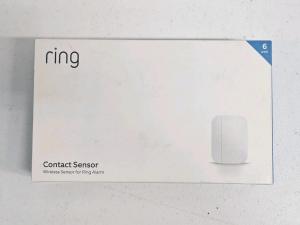
Ring Alarm Contact Sensors - 6 Pack
Ring
Product Review Score
4.48 out of 5 stars
204 reviews$54.98
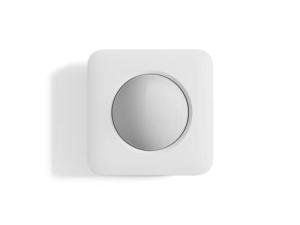
SimpliSafe Gen 2 Motion Sensor
Simplisafe
Product Review Score
4.26 out of 5 stars
194 reviews$34.99
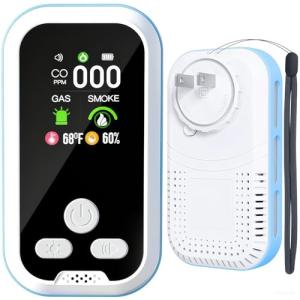
5-in-1 Smoke & CO Detector
Buwheekoki
Product Review Score
4.97 out of 5 stars
33 reviews$49.99 $39.99
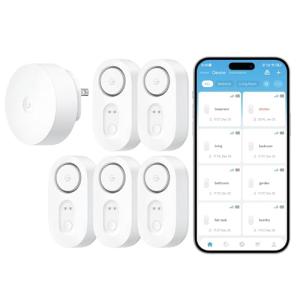
GoveeLife Smart Leak Detectors 5-Pack
Goveelife
Product Review Score
4.4 out of 5 stars
148 reviews$69.99 $48.99
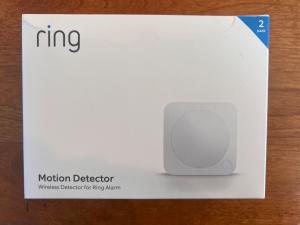
Pet-Friendly Motion Detectors 2-Pack
Ring
Product Review Score
4.51 out of 5 stars
106 reviews$40.00
💡 Practical Usage Tips
- Installing motion sensors at the correct vertical height is critical because the internal Fresnel lens is calibrated to mask the floor area and prevent pets from triggering the alarm.
- Users must use non-conductive spacers when mounting magnetic contact sensors on steel doors, as the metal surface can interfere with the magnetic flux and reduce signal range.
- For outdoor applications, selecting a device that operates on a Sub-GHz frequency (like 433MHz or 908MHz) allows the signal to penetrate exterior walls better than standard Wi-Fi signals.
- Regular maintenance should include checking the adhesive backing on sensors placed in high-humidity areas, as moisture can degrade the bond and cause false tamper alerts.
✅ What to Look For & ⚠️ What to Avoid
MUST-HAVES:
- Look for devices that utilize the Z-Wave Plus 700 series chipset, as this technology offers superior battery life and encrypted communication compared to older protocols.
- Reliable contact sensors, such as the Ring Alarm Contact Sensors, should have a slim profile to fit within tight door frames without obstructing the closing mechanism.
- Prioritize motion detectors that offer adjustable sensitivity settings or physical masking options to accommodate different room sizes and pet activity levels.
RED FLAGS:
- Avoid multi-sensor units that pack too many functions into a small housing, as the internal heat from components can skew sensitive environmental readings like humidity.
- Be cautious of sensors that rely solely on the 2.4GHz Wi-Fi spectrum, as high data transmission rates often lead to rapid battery depletion compared to low-power alternatives.
- Steer clear of analog wireless systems that lack encryption, as they are susceptible to signal jamming and interference from other household electronics.
🛡️ Build Quality & Performance
The longevity of a security system often depends on the physical resilience of its components. Sensors exposed to the elements must feature UV-resistant plastics to prevent the housing from becoming brittle and cracking over time. Inside the device, the quality of the PCB layout plays a significant role in performance; well-designed boards isolate antenna paths from battery terminals to minimize interference. For hardwired setups, mechanical reliability is paramount, with glass reed switches requiring protection against physical shock to maintain their switching cycles.
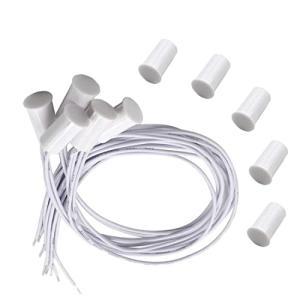
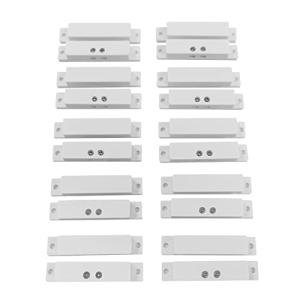
Latency is another critical factor in performance, particularly for entry detection. Wired solutions often provide an instantaneous dry contact state change, ensuring that the alarm triggers the moment a door is breached. In contrast, wireless units must wake from a low-power sleep mode, handshake with a hub, and transmit the signal, which can introduce slight delays. Devices like the Gagalor Wired Sensors are favored in professional installs because they eliminate this digital overhead, offering a zero-latency response that is immune to wireless jamming attempts.
🏆 Top Recommendations
| Best For | Model Name | Key Feature | Why It Wins |
|---|---|---|---|
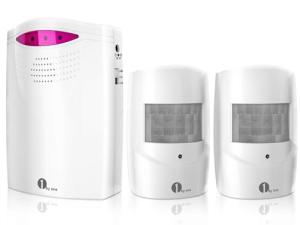
| Perimeter Security | 1Byone Wireless Driveway Alarm | 1,000ft Range | Excellent long-range signal penetration without subscription fees. |
| Door/Window | Ring Alarm Contact Sensors | Z-Wave Plus 700 | Secure S2 encryption and a compact design for modern homes. |
| DIY Hardwired | Qlxhbot Magnetic Switch | Zero Latency | Mechanical reliability with no batteries required. |
| Water Leaks | GoveeLife Smart Detector | Dual Probe Design | Detects both drips and rising water with a loud local siren. |
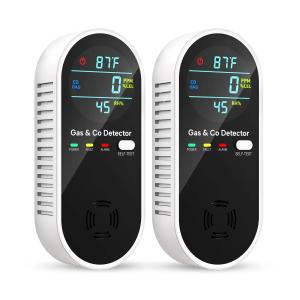
| Gas Safety | Vilfet 4-in-1 Detector | Combustible Gas Detection | Local fail-safe for kitchens with explosive gas monitoring. |
❓ Frequently Asked Questions
Does the frequency of the sensor really matter?
Yes, the frequency significantly impacts performance. Lower frequencies like 433MHz or 908MHz (Z-Wave) have better diffraction properties, allowing them to pass through walls and obstacles more effectively than the 2.4GHz signals used by Wi-Fi.
Can I use rechargeable batteries in these sensors?
While physically possible, it is often not recommended. Rechargeable batteries typically have a lower voltage (1.2V) compared to alkaline or lithium primaries (1.5V or 3V), which can cause the sensor to report a low battery status prematurely or reduce the effective RF range.
What is a "dry contact" sensor?
A dry contact sensor acts as a simple switch that opens or closes a circuit without supplying any voltage of its own. It is the standard for hardwired security systems, where the alarm panel provides the power to monitor the state of the loop.
Do pet-immune motion sensors work for all pets?
Not universally. Most pet-immune sensors use passive infrared (PIR) technology that ignores heat signatures below a certain weight or height. However, an active cat jumping on furniture may still trigger the alarm if it moves into the sensor's direct line of sight.