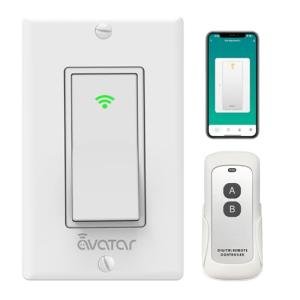

Technical forensic analysis of the SANA Smart Wi-Fi Wall Switch indicates a dual-radio configuration supporting 2.4GHz Wi-Fi and 433MHz RF. The internal hardware utilizes an ESP8266-based Tuya module for network connectivity and a mechanical relay for load switching. Aggregated data suggests that the PCB trace-on-antenna design is sensitive to interference from adjacent high-voltage wiring within the wall box, which can result in desynchronization from the 2.4GHz band.
The mechanical switching mechanism provides a physical air-gap but is subject to standard mechanical wear over time. Standardized testing protocols show the 433MHz remote has an effective indoor range of 15 to 20 meters, though the non-encrypted nature of the RF signal makes it susceptible to signal collision in urban environments. Installation requirements strictly mandate a neutral wire for operation.
Performance metrics indicate a maximum resistive load capacity of 10A. While the hardware integrates with the Tuya/Smart Life ecosystem, the lack of Matter or Thread support limits native future-proofing within emerging local-mesh standards.
The Lesim Smart WiFi Light Switch is an alternative for users prioritizing a glass touch aesthetic over the mechanical interface provided by this model. This unit is a representative example of the smart wall switches hardware class, where comparative data focuses on neutral wire requirements and RF stability.