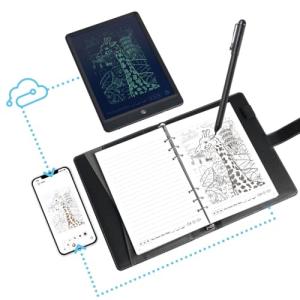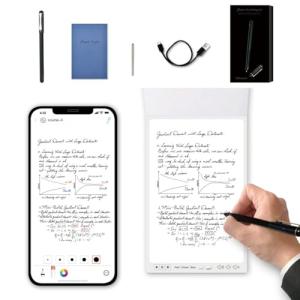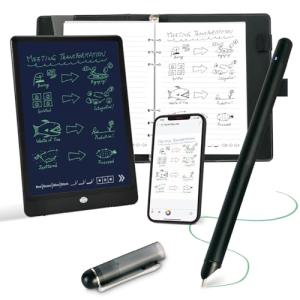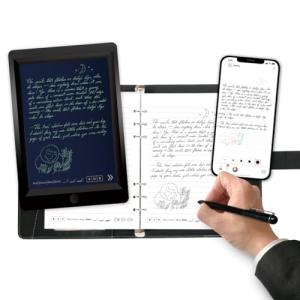

Structural analysis of the Rocketbook Core identifies a polyester composite substrate engineered for compatibility with thermo-sensitive ink polymers. The system operates as a passive-smart bridge, utilizing high-contrast physical computer vision markers and a seven-symbol footer for algorithmic destination routing. No internal circuitry or power storage components are present within the notebook chassis.
The 2025 iteration features a revised binding assembly for improved mechanical durability. Performance metrics for digitization are entirely dependent on external smartphone optics and the associated software OCR engine. The hardware maintains a functional footprint of 6x8.8 inches, providing a portable form factor for manual data entry.
Standardized testing suggests that the polymer coating is susceptible to surface ghosting if subjected to high-pressure writing or non-compatible ink types. Maintenance protocols require the use of 0.7mm or 0.5mm Pilot FriXion writing instruments to ensure surface erasability and integrity.
Operational Note: The absence of internal electronic components eliminates firmware vulnerabilities and battery degradation risks.
As a passive capture tool, the Rocketbook Core offers high reliability, but users requiring real-time stroke tracking may find active EMR-based digitizers more suited to their workflow.
This hardware occupies a unique segment of the smart notepads classification, serving as a zero-power interface for digital archival systems.