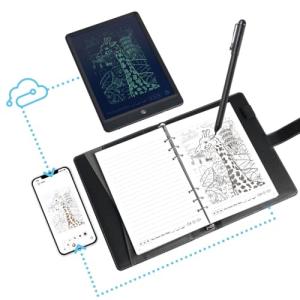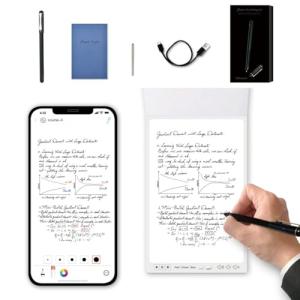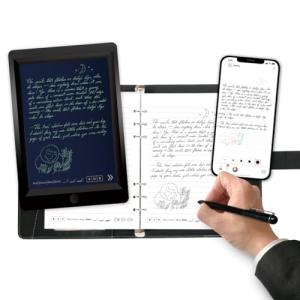

Performance metrics for this Ophayapen model indicate a high-frequency coordinate capture rate via an embedded infrared sensor. The device operates as a Bluetooth Low Energy node, transmitting data to a mobile terminal for real-time rendering. Hardware specifications include compatibility with D1 ink refills and a specialized dot-matrix paper requirement for all data capture operations.
The system architecture relies on server-side processing for Optical Character Recognition. Data buffer management requires frequent synchronization with the mobile application to prevent overflow, as the pen’s internal volatile memory is optimized for short-term sessions. Physical build analysis shows a fragile IR sensor assembly that necessitates careful handling to maintain sensor alignment.
Aggregated data confirms the absence of native Z-Wave or Zigbee support, limiting the device to point-to-point Bluetooth communication. The total cost of ownership is influenced by the requirement for specialized paper consumables, which are essential for the IR sensor to register stroke data.
System Requirement: The "smart" functionality is entirely contingent on the IR sensor's clarity and the integrity of the dot-matrix grid.
The Ophayapen Note Set is effective for paper-based digital capture, though users desiring higher multitasking capabilities might consider a full-screen display alternative.
Placement of this unit within the smart notepads class highlights the technical diversity of optical digitizing solutions.