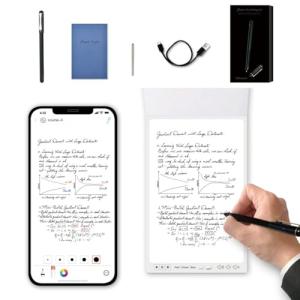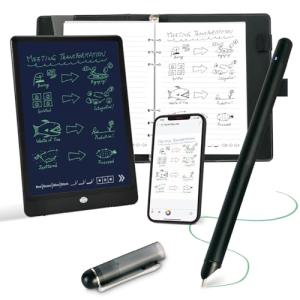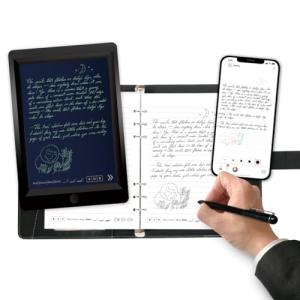

Technical specifications for the Ophaya system indicate the utilization of Optical Identification (OID) sensor technology. The hardware architecture incorporates an infrared camera module positioned proximal to the pen nib, which facilitates coordinate tracking against a micro-dot grid substrate. Signal transmission is facilitated via a Bluetooth Low Energy 5.0 chipset, ensuring a stable wireless bridge to mobile devices.
Material analysis of the internal power system confirms the presence of a lithium polymer battery cell rated for approximately 8 hours of active duty cycles. Structural data indicates the device utilizes a standardized Original Design Manufacturer chassis. Performance metrics demonstrate a pressure sensitivity rating of 2048 levels, categorizing the unit as a general productivity tool for handwriting digitization.
- Modes of operation: Real-time Sync, Offline Storage, and Digital Text Conversion.
- Consumable requirements: Proprietary Dot-Code paper and specialized pen nibs.
- Data transfer protocols: Bluetooth Low Energy 5.0 and Micro-USB/Proprietary charging interface.
Aggregated specification data confirms that the digitizing functionality is entirely contingent on the use of specialized consumables, as the infrared sensor requires a specific microscopic grid for spatial orientation. Optical Character Recognition is processed through a proprietary software layer to facilitate text archival.
System diagnostic: The dependence on proprietary paper substrates creates a recurring procurement requirement for operational continuity.
The Ophaya Smart Pen provides a dedicated hardware-based approach to note digitization, though users seeking a paperless experience may prefer the infinite canvas architecture of high-end e-ink tablets.
This unit serves as a specialized input node within the broader smart notepads ecosystem, focusing on the bridge between analog ink and digital databases.