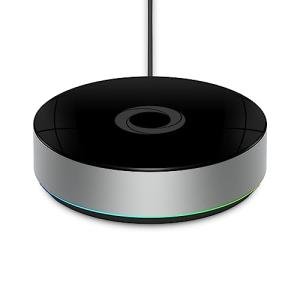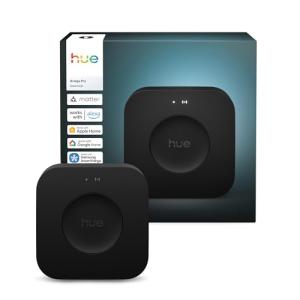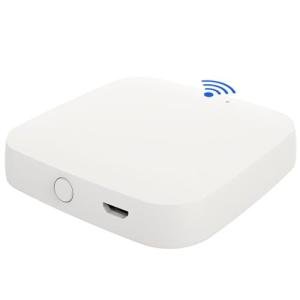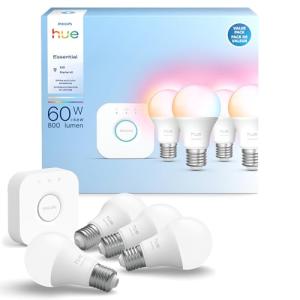

Technical specifications indicate the Hue Bridge operates on Zigbee Light Link (ZLL) and Zigbee 3.0 protocols to establish a dedicated mesh network. Aggregated data confirms the internal PCB is optimized to manage a hardware limit of up to 50 lamps and 12 accessories. Standardized testing protocols show that the device performs local automation processing, maintaining operational status for switches and sensors during internet connectivity interruptions.
Material analysis confirms the device requires a physical 10/100 Ethernet connection for network backhaul, as Wi-Fi hardware is absent from the internal assembly. Performance metrics demonstrate a response latency of less than 50ms within the Zigbee mesh. Technical documentation indicates the 2.4GHz signal is subject to attenuation when placed within metal enclosures or near dense shielding materials.
Functional features include Matter 1.0 compatibility via firmware update and a dedicated hardware-locked Entertainment API for low-latency lighting synchronization.
The Philips Hue Bridge Pro provides a distinct hardware configuration for users who require higher node counts or professional-grade lighting integration beyond standard residential limits.
As a core component of local-network topologies, this device fits within the central hubs category for specialized lighting ecosystems.