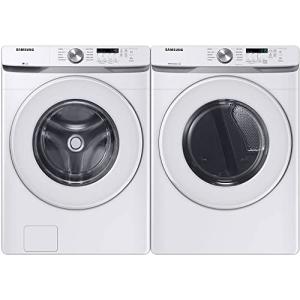

PRODUCT REVIEW: Kenmore 4.0 cu. ft. Ventless Electric Dryer
In-Depth U.S. Market Review
The Kenmore 4.0 cu. ft. Ventless Electric Dryer is a strong entry from a well-established brand, aiming to capture the middle ground of the compact appliance market in the U.S. With a 4.0 cubic foot capacity , it offers a decent volume for a ventless machine, catering well to apartment living, small homes, or secondary laundry installations. Unlike the highly energy-efficient, but slower, heat pump models, this is likely a condenser dryer , offering a slightly faster ventless drying experience at the cost of higher electricity consumption.
This model is a competitive choice for the consumer who needs ventless installation but is looking for a balance between speed and efficiency. Compared to its smaller 24-inch counterparts, you get a larger drum to handle a bit more laundry, making it better for couples or small families with modest laundry demands. It capitalizes on the Kenmore name's reputation for reliability, a key factor for American consumers buying major appliances.
Technical Analysis
| Specification | Detail & U.S. Context | Analysis |
| Drying Technology | Ventless Electric Condenser | No external venting needed; moisture is condensed into water, providing installation flexibility but generally consuming more energy than a heat pump. |
| Capacity | 4.0 Cubic Feet | A good mid-size capacity for ventless models, suitable for moderate loads but still smaller than the standard 7.0+ cu. ft. U.S. dryer. |
| Voltage | 240V Electric Power | Requires the dedicated 240V outlet, standard for electric dryers, ensuring sufficient power for the heating element and condenser operation. |
| Footprint | Compact 24" Width | Ideal for stacking with a matching washer in tight spaces, a necessity for small U.S. laundry closets and apartments. |
| Condensate Management | Water Collection Tank | The user must empty the collected water (or connect a drain hose), a maintenance step not required on vented dryers. |
| Controls | Rotary Dial/Electronic Interface | Provides a reliable and familiar user experience with multiple cycles for different fabric types. |
1. Condenser Operation and Drying Efficiency
As a likely ventless condenser dryer , this Kenmore operates by cooling the air inside the drum to condense the moisture out of the clothes. This allows for simple, vent-free installation, making it versatile for any laundry setup in a U.S. home without external access. Unlike heat pump models, which prioritize energy savings, condenser models often deliver somewhat faster drying times, which can be a relief to users switching from a traditional vented machine.
The trade-off is typically higher energy consumption compared to the newer heat pump technology. For users in areas with moderate electricity costs, this compromise of slightly faster drying for slightly higher bills may be acceptable, but it's a critical difference to note.
2. Capacity and Physical Design
The 4.0 cubic foot drum offers a significant advantage over the smallest 2.0-3.0 cu. ft. compact models. It can more comfortably handle items like a queen-sized comforter or a larger volume of towels, making it more practical for a two or three-person household. This makes the dryer more functional for typical American loads.
Physically, the 24-inch compact width allows for easy installation into a closet or as a stackable unit, maximizing floor space. The appliance’s solid construction, typical of the Kenmore brand, gives users confidence in its durability and longevity.
3. Maintenance and User Experience
Using a condenser dryer involves two main maintenance tasks that differ from a vented machine. First, you must regularly empty the water collection tank that holds the condensed moisture—a simple task, but one that must be remembered. Alternatively, you can permanently plumb a drain hose to a nearby standpipe.
Second, the machine requires regular cleaning of the air-to-water heat exchanger (condenser coil) to maintain optimal performance, often through an easily accessible panel. The control interface is typically straightforward, offering various drying cycles and options through a combination of a rotary dial and electronic buttons.
User Profiles
1. First-Time Homeowner (Small Space)
You just bought a starter home with a dedicated, but small, laundry room that lacks proper ventilation, or perhaps you want to install laundry upstairs where running a vent is complicated. You need a reliable, recognized brand that provides a decent capacity.
-
Use Case: You are drying a medium-sized load of bedding and everyday clothes and want a faster drying time than what an ultra-efficient heat pump provides.
-
The Fit: The 4.0 cu. ft. capacity and reputable Kenmore brand offer reliability, while the ventless design simplifies your installation without costly modifications to your new home.
2. Apartment Complex Owner/Landlord
You own several rental units in a dense city where utility costs are your responsibility, but you need durable, easy-to-install appliances that won't require tenant maintenance like exterior vent cleaning.
-
Use Case: You are replacing old, failed vented dryers with modern, simple, and safer alternatives across multiple units.
-
The Fit: The ventless condenser design simplifies installation, removes the fire hazard associated with clogged vents, and the well-known brand name is a good selling point for renters.
3. RV/Large Camper Owner
You own a high-end RV or a park model trailer and want a full-featured dryer that can handle the unique power and space constraints of mobile living. You need an appliance that won't expel hot air inside the camper.
-
Use Case: You are doing a load of laundry at a campsite and need a dryer that is compact, uses 240V hookups (if available), and won't require a complex venting solution on your vehicle.
-
The Fit: The 24-inch footprint is perfect for the narrow spaces in an RV, and the ventless design is essential to prevent moisture buildup inside the sealed, small cabin environment.
"Complementary HomeTechCorner Category Recommendations"
| Recommended Products | Why This Category Is Useful Specifically for This Product | Short Usage Scenario |
| Laundry Appliances | As a mid-size ventless dryer, it pairs best with a compact washer of a similar 24-inch width for a stackable setup. | You look for the matching Kenmore compact washer to ensure the dryer can be securely stacked on top in your laundry closet. |
| Water Leak Detectors | Critical for any ventless dryer that uses a water collection tank, offering peace of mind against potential tank overflow or hose leaks. | You get a mobile alert because the water collection tank for the condenser dryer is full, prompting you to empty it immediately. |
| Environmental Sensors Temp Humidity | A sensor helps monitor the ambient conditions in the laundry area, which can be important when operating a condenser dryer. | You check the humidity in the utility room on especially muggy days, ensuring the dryer is operating optimally without adding too much moisture to the air. |
| Smart Power | Allows you to track the 240V power consumption to accurately budget for the energy usage of this condenser-style ventless dryer. | You use a high-voltage power monitor to verify the cost difference between the quicker drying condenser cycles and your old vented machine. |
| Display Stands Mounts | Since this model is often stacked, a secure stacking kit or stand is essential for safety and structural integrity in a compact space. | You purchase the official stacking kit to lock the dryer securely on top of the washing machine, making the tall stack safe and stable. |