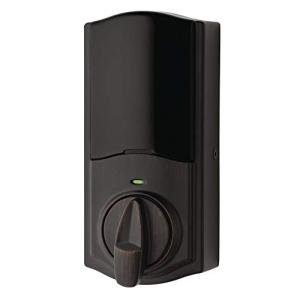
Aggregated specification data for the InstaLock identifies it as a non-networked, mechanical-electronic hybrid entry controller. The system utilizes a 433MHz radio frequency protocol for localized operation, effectively air-gapping the device from wide-area network vulnerabilities. The internal drive train consists of a micro-geared DC motor and plastic gear components designed for non-invasive installation using adhesive or screw-based mounting.
Technical analysis indicates the absence of an external keyway, placing total operational reliance on the RF signal and internal toggle. Performance data highlights a rolling code system for transmission security, though hardware reports suggest a potential for code drift requiring periodic synchronization. The chassis is composed of a combination of zinc alloy and polymer materials.
Physical dimensions allow for installation without door modification, but the motor torque is rated for low-resistance environments. Standardized testing protocols show that weather-stripping resistance can lead to incomplete deadbolt engagement, necessitating manual verification of lock status as the unit lacks remote state-reporting capabilities.
The power subsystem utilizes 4x AA batteries, though integrated low-voltage notification accuracy varies across hardware iterations.
- Functional modes: Remote RF Actuation, Internal Manual Toggle.
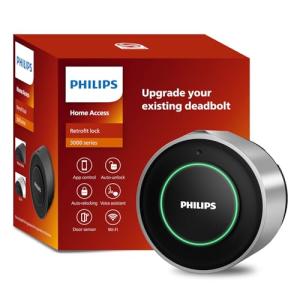
The Philips 230X provides a more robust alternative for environments requiring biometric verification and integrated Wi-Fi monitoring that this RF-only unit lacks.
This device represents a specialized segment of keyless smart locks that prioritize localized control over network integration.