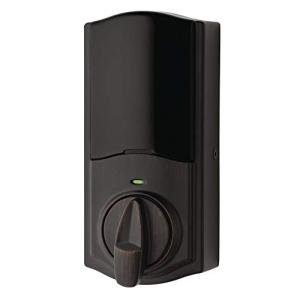

Technical specifications for the Philips 230X indicate a residential smart deadbolt replacement system utilizing a high-torque DC motor. Structural analysis confirms a reinforced zinc alloy housing designed for installation on standard door thicknesses ranging from 1-3/8 inches to 2 inches. The hardware architecture incorporates an integrated 2.4GHz Wi-Fi module within the interior assembly, which facilitates direct network communication without external bridging hardware.
Performance metrics demonstrate a biometric recognition speed of 0.5 seconds via a capacitive fingerprint sensor. Power is supplied by a 4x AA cell array; however, data suggests that high-traffic operation and 2.4GHz signal maintenance may influence discharge rates. Biometric security is managed through proprietary sensor algorithms, and the system supports geofencing for proximity-based actuation.
Material specifications and FCC filing 2AGBW-DL230X confirm that this unit does not currently support Matter or Thread protocols, relying instead on a cloud-dependent application interface for remote management.
Operational reliability is contingent upon precise door alignment, as increased friction during latch engagement can elevate motor thermal output and reduce battery efficiency by approximately 60 percent. Physical override capabilities are provided by a standard 5-pin cylinder mechanism.
- Modes of operation: Biometric Fingerprint, Keypad PIN, Proximity/Geofencing, Manual Key.
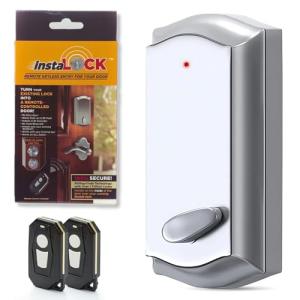
For users requiring an air-gapped system that eliminates the risks associated with cloud dependency and Wi-Fi interference, the InstaLock Smart Remote Door Lock offers a localized RF-based alternative.
This hardware is classified within the broader ecosystem of smart lock conversion kits and dedicated entry point controllers.