
PRODUCT REVIEW
In-Depth U.S. Market Review
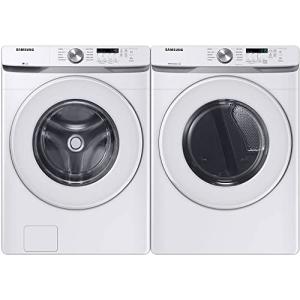
The Compact 2-in-1 Washer Dryer for Apartments and RVs is a straightforward, budget-conscious option in the highly competitive compact appliance market. Similar to other single-unit combos, it is designed for the ultimate space constraint, performing both washing and drying in one drum. This unit is an ideal choice for the U.S. consumer prioritizing cost and minimal footprint over speed and large capacity, placing it firmly in the entry-level smart laundry appliances niche.
Its main appeal is its simplicity and ability to run off a standard 120V power source, making it highly suitable for rentals. Compared to high-end compact combos, this model is often simpler in its cycles and functionality, providing a pragmatic, essential laundry solution . It is positioned as the most affordable laundry combo for first-time apartment renters or those needing a highly portable secondary unit in their RV.
Technical Analysis
| Specification | Detail & U.S. Context | Analysis |
| Capacity | Typically 1.6 - 2.0 cu. ft., small capacity for minimal laundry. | Suitable for a single person's clothes or small batches, but cannot handle large towels or bedding, a key limitation for U.S. users. |
| Drying Method | Ventless Condenser Drying (most common for this size/price). | Necessary for apartment/RV installation as no external venting is required. All moisture is condensed and drained out with the waste water. |
| Power Supply | Standard 120V household current. | The biggest advantage for renters, allowing plug-and-play installation without needing a dedicated 240V dryer outlet. |
| Control Interface | Likely a basic digital display with push-button or rotary cycle selection. | Simple and user-friendly, catering to the budget market. Fewer advanced features compared to premium models. |
| Energy Efficiency | Generally high energy and water efficiency due to the small drum and front-load design. | Appealing for utility-conscious apartment dwellers, as the unit uses less water per load than a top-load machine. |
| Installation | Requires a cold water hookup and a drain line. | Very simple setup for a sink or utility hookup. The unit's portability also means it can often be moved easily. |
1. The Condenser Trade-Off for Simplicity
Like most combo units, this Compact 2-in-1 Washer Dryer relies on ventless condenser drying . This choice is a trade-off: you gain the simplicity of a single machine with a 120V power requirement, but you sacrifice drying speed and the final fluffiness of your clothes.
The process of heating and cooling air to condense moisture is inherently slower than a vented system. U.S. consumers should expect a full wash-and-dry cycle to take anywhere from 3 to 5 hours. This is a technical reality for ventless units, and it means managing a longer total laundry time but without the effort of transferring clothes.
2. Durability for Portable/Rental Use
Given its common use in rental properties or mobile homes (RVs), the physical construction needs to balance a light weight with reasonable durability. The outer casing is often a coated metal or heavy-duty plastic to resist minor bumps during moving. The drum is typically stainless steel, which is essential for resisting chipping and corrosion.
Crucially, the unit’s small size makes it relatively easy to maneuver and install, a feature valued by apartment renters who move frequently. The simple 120V electrical connection also minimizes installation risk, as there's no complex high-voltage wiring involved.
3. Capacity vs. Performance Management
The 1.6 - 2.0 cu. ft. capacity of this combo unit is the main limiting factor. The biggest mistake users make is trying to treat it like a full-sized washer. Technically, for optimal drying performance (the hardest part of the combo job), the drum should only be about half-full with dry clothes.
For example, if you wash a full load of jeans, you will almost certainly need to remove half of them to air-dry before the remaining half can fully dry in the machine. Educating U.S. consumers on this drying-load-limit is key to achieving satisfactory results from this entry-level combo unit.
User Profiles
1. The Cost-Conscious Student
You are in college or graduate school, living in a small, shared apartment, and desperately need to avoid the cost and inconvenience of the campus laundry room.
-
Use Case: You need to wash and dry your weekly casual wear (t-shirts, socks, jeans) within the confines of your small bathroom or utility closet. You prioritize saving money and time over perfectly fluffy clothes.
-
The Fit: The low purchase price and 120V hookup are perfect for your budget and rental restrictions. You accept the long cycle time because you can start it before class and come home to clean clothes, eliminating the costly laundromat trip.
2. The Weekend Cabin Owner
You own a small cabin or vacation rental property that doesn't have a dedicated utility room or the electrical infrastructure for a full-sized washer/dryer set.
-
Use Case: Guests need to quickly wash a few towels or a swimsuit after a trip to the lake. The unit's simple operation and compact size make it an ideal, low-maintenance amenity for a weekend rental.
-
The Fit: Its ventless operation and ability to be plumbed to a simple sink connection are the primary benefits for a remote cabin. It provides an essential service without requiring a complex, expensive utility installation.
3. The New Apartment Renter
You've just moved into your first apartment and are purchasing your first set of appliances, prioritizing a minimal footprint and a low, manageable initial investment.
-
Use Case: You are learning the ropes of laundry and want an automatic process. You use the machine to handle all your daily clothes, resorting to the shared building laundry only for large, bulky items like blankets and bedding.
-
The Fit: The single unit saves you space and the hassle of moving wet clothes. You appreciate the simplicity of operation, and the compact size means it doesn't dominate your limited living space, making your first apartment feel a little less cluttered.
"Complementary HomeTechCorner Category Recommendations"
| Recommended Products | Why This Category Is Useful Specifically for This Product | Short Usage Scenario |
| Water Leak Detectors | Critical for protecting the floor in a small, enclosed apartment or RV space where water damage is a major concern. | You put a sensor beneath the combo unit. If the drain hose gets a tiny hole, you get an immediate phone alert to prevent a disaster in your small living space. |
| Smart Power Strips | To consolidate the power connection and provide surge protection for the unit's electronics. | You plug the 120V unit into a smart strip that automatically cuts power if a major electrical spike occurs, protecting the electronic control board. |
| Environmental Sensors Temp Humidity | To monitor the air quality, as the condenser drying process can raise the ambient temperature in a small room. | Your sensor detects an uncomfortable temperature spike in your studio apartment during the 4-hour dry cycle, reminding you to turn on a circulating fan. |
| Portable Power Stations | For RV owners, to run the unit without relying solely on a campsite power hookup. | You take the unit off-grid for a few hours, running a full wash cycle off your high-capacity portable power station, conserving your generator fuel. |
| Laundry Appliances | To invest in specialized garment care accessories like a compact steamer for the slightly wrinkled clothes from condenser drying. | You purchase a small, handheld garment steamer to quickly smooth out your shirts after the combo unit finishes, eliminating the wrinkles from the long tumble dry. |
| Anti Fatigue Mats | To place under the washer/dryer to dampen the vibrations, which are noticeable in small living spaces. | You buy a sturdy rubber mat to place under the unit, effectively absorbing the motor’s slight vibration and reducing the noise transmitted through your apartment floor. |