🔌 Choosing Your System: Key Features and Compatibility
When selecting your ideal Dish Dryers / Sanitizers , you'll encounter a few essential variations that impact its practical use in your home. You need to consider where and how you plan to use the appliance.
Essential Variations
-
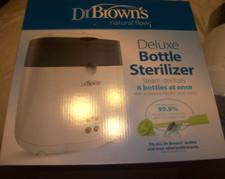
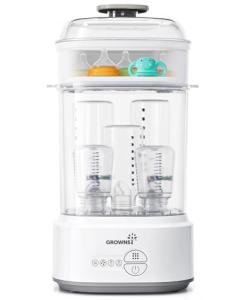
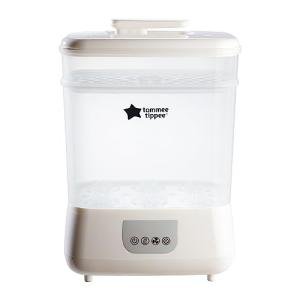
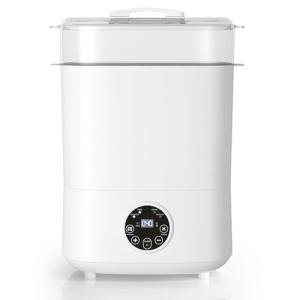
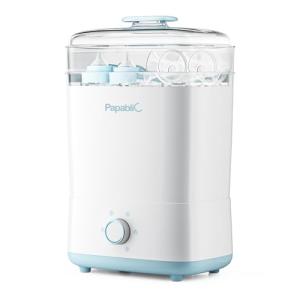
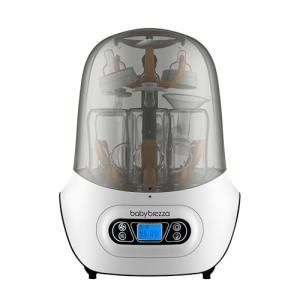
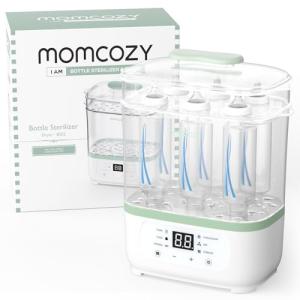
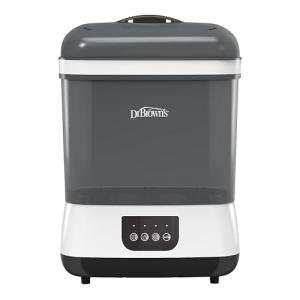
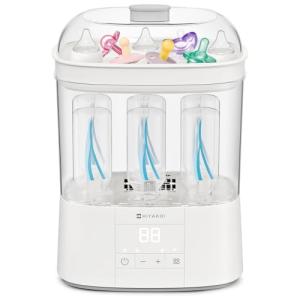
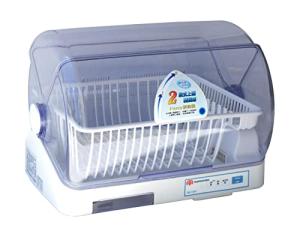
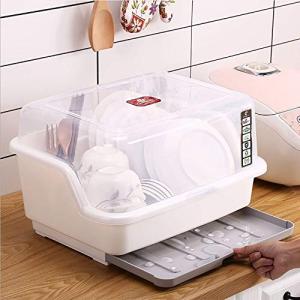
Countertop (Plug-in) Models: These are the most common type. They are freestanding, plug directly into a standard US wall socket, and require no permanent installation. Their main advantage is flexibility—you can place one right next to your sink in a smaller Chicago apartment kitchen, or move it to a pantry when not in use. The downside is they occupy valuable counter space, but they offer great visibility for 24/7 Monitoring of the process.
-
Under-Cabinet/Built-in Models: For homeowners looking for a cleaner aesthetic, these units install permanently, often integrating seamlessly below upper cabinets or within custom cabinetry. The pros include a dedicated, out-of-the-way space and a tidy, custom look, which is essential for a high-end kitchen remodel. The con is the complex installation, which may require professional help to run a dedicated circuit or secure mounting. However, these models often feature more capacity and better ventilation, enhancing their overall Energy Efficiency .
Compatibility Protocols
While the core function of a Dish Dryers / Sanitizers is standalone, many modern units now incorporate smart connectivity for enhanced control and Remote Access . To integrate the appliance into your smart home, you should check for the following communication standards:
-
Wi-Fi: This is the most prevalent and easiest protocol. A Wi-Fi-enabled unit allows you to check cycle status, receive completion alerts, and often initiate drying/sanitizing via a smartphone app, even if you are out running errands. It's the most common route to achieving simple Remote Access .
-
Matter/Thread: While less common currently, Matter-compatible Dish Dryers / Sanitizers will be the future standard. Matter allows the device to communicate instantly with all major ecosystems (Apple Home, Alexa, Google Home) without vendor-specific workarounds. This is key for seamless, long-term integration.
-
Proprietary App: Virtually every smart Dish Dryers / Sanitizers will use its own mobile application. Ensure this app supports the core functions you need, such as scheduling, 24/7 Monitoring of the sanitization timer, and toggling specific drying modes to maximize Energy Efficiency .
🛠️ Installation and Setup Walkthrough
Installing your Dish Dryers / Sanitizers is straightforward for a countertop model and a manageable DIY project for a basic under-cabinet unit. Your goal is a stable setup with reliable power and connectivity.
Pre-Installation
Before unboxing, verify your intended location. For all models, a dedicated or easily accessible power outlet is crucial. For smart models, ensuring a strong Wi-Fi signal is non-negotiable—if you live in a large Texas home and your router is far from the kitchen, you may need a Wi-Fi extender. Also, confirm the surface is level and capable of handling the weight of the unit when fully loaded with dishes. This simple check prevents performance issues and ensures stability.
Installation Guide (Countertop Model)
-
Placement: Choose a flat, dry spot near your sink, ensuring the unit's rear vents have at least four inches of clearance. Proper airflow is vital for Energy Efficiency .
-
Plug In: Connect the unit to a grounded wall outlet. Avoid using extension cords if possible, as these appliances can draw a significant amount of power.
-
App Setup: Download the manufacturer’s app. Follow the on-screen instructions to connect the Dish Dryers / Sanitizers to your home Wi-Fi network. This process usually involves putting the unit in "pairing mode" (often by holding a Wi-Fi button) and entering your network credentials in the app.
-
Test Run: Load a small batch of washed dishes and run a quick dry cycle. Confirm the unit performs as expected and that you can successfully initiate and monitor the process via Remote Access on your smartphone.
Troubleshooting
-
Issue: Unit Will Not Power On. Solution: Check the outlet first—plug in another small appliance to confirm the circuit is live. If the outlet is fine, check the unit's main fuse or power cable connection.
-
Issue: Inconsistent Drying/Spots. Solution: This is almost always an airflow or overloading issue. Ensure the unit is not jammed against a wall, and that your dishes are loaded according to the manual, allowing maximum air circulation. Also, check that you are using a rinse aid in your washing process if you have particularly hard water, as the dryer cannot eliminate existing mineral deposits.
-
Issue: App Loses Connection/No Remote Access. Solution: Your Wi-Fi signal is likely weak. Reboot your home router and the Dish Dryers / Sanitizers . If the issue persists, consider adding a Wi-Fi range extender in the kitchen area to guarantee a stable connection for continuous 24/7 Monitoring of the sanitization cycle.
4. Advanced Automation and Maximizing Value
Integrating your Dish Dryers / Sanitizers into your broader smart home setup moves it from a standalone appliance to a true helper that enhances your routine and Energy Efficiency . This is where your investment in smart technology pays off.
Automation Scenarios
-
Energy Saver Scheduling: You can use your smart home hub to automate your Dish Dryers / Sanitizers to run only during off-peak utility hours. Scenario: Use your scheduling function to program the unit to automatically start a drying/sanitizing cycle at 1:00 AM, guaranteeing your power consumption is optimized and your dishes are clean and ready by the time you wake up for your commute. This is a simple, effective way to maximize Energy Efficiency .
-
Sanitization Confirmation Alert: Integrate the Dish Dryers / Sanitizers with a smart display or speaker. Scenario: When the drying and sanitizing cycle is complete, trigger a verbal announcement via an Amazon Echo or Google Nest Hub in your kitchen: "Dish Sanitizer Complete. UV cycle verified clean." This eliminates the need for manual 24/7 Monitoring and provides instant, audible confirmation of hygiene compliance.
Longevity & Maintenance
To ensure your Dish Dryers / Sanitizers provides years of reliable service, focus on simple, consistent maintenance.
-
Filter and Drip Tray Cleaning: Regularly clean the drip tray and any air filters, typically located at the bottom or rear of the unit. Accumulated moisture and debris hinder performance and reduce Energy Efficiency .
-
Firmware Updates: Always install firmware updates via the proprietary app. Manufacturers frequently release updates to improve performance, fix bugs, and often enhance the connectivity, bolstering Remote Access reliability and the unit’s overall smart functionality.
-
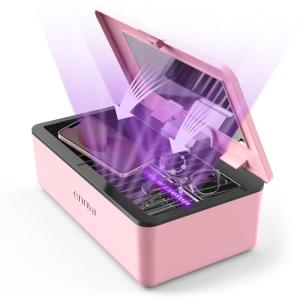
UV Bulb Check: If your unit has a replaceable UV-C lamp, track its usage hours. While many modern UV bulbs last thousands of hours, knowing the lifespan ensures the sanitization feature remains effective, preserving the core value of the Dish Dryers / Sanitizers .
5. COMPLEMENTARY CATEGORY RECOMMENDATIONS
| Recommended Categories |
Why This Category Is Useful Specifically for This Product |
Short Usage Scenario |
| Smart Displays |
Used for at-a-glance 24/7 Monitoring of the cycle status and timer without needing to pull out your phone. |
Glance at the kitchen Smart Display to see the remaining UV sanitization time while you're making coffee. |
| Smart Power |
Allows you to remotely power cycle the unit or monitor its power draw for better Energy Efficiency tracking. |
Use an Energy Monitoring Smart Plug to track the exact cost of running the drying cycle before optimizing the schedule. |
| Multi Protocol Hubs Matter Thread |
Provides the centralized platform needed for seamless Remote Access and automation with other kitchen devices. |
Link your Dish Dryer/Sanitizer to a central hub for voice activation via Google Assistant or Alexa commands. |
| Networking Gear |
Ensures the strong, reliable Wi-Fi signal necessary for consistent app connectivity and robust Remote Access . |
Upgrade to a Mesh Wi-Fi System to eliminate dead zones and ensure the kitchen unit stays connected to the network. |
| Water Leak Detectors |
Essential safety measure to alert you immediately if a rare leak or overflow occurs near the appliance. |
Place a water leak sensor underneath the unit's cabinet to receive an alert before minor leaks cause floor damage. |
| Environmental Sensors Temp Humidity |
Allows you to measure the ambient humidity in the kitchen post-cycle, confirming proper ventilation and drying performance. |
Use a smart humidity sensor to trigger the smart exhaust fan to turn on after the drying cycle completes. |
| Wireless Programmable Buttons |
Offers a simple, physical control point to start a cycle or a favorite preset without opening an app or using voice commands. |
Stick a Smart Button to the cabinet next to the unit to press for a one-touch "Express Sanitize" cycle. |
6. CONCLUSION
By integrating a dedicated Dish Dryers / Sanitizers into your life, you are choosing a superior, more hygienic kitchen solution. You've learned to navigate the various options, understand the importance of Remote Access and 24/7 Monitoring for busy schedules, and how to maximize your unit's Energy Efficiency through smart scheduling. No more water spots, no more air-drying uncertainty—just perfectly dry, scientifically sanitized dishes whenever you need them. Take the next step toward a cleaner, smarter kitchen today and confidently click to purchase the model that best fits your modern US home.