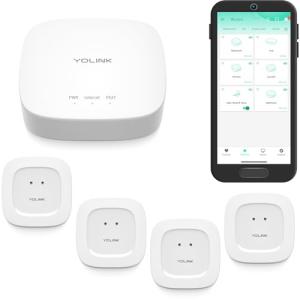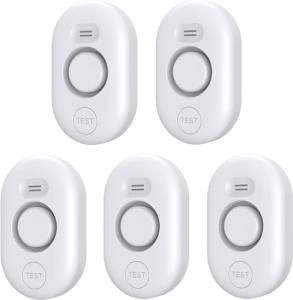

Structural analysis of the Zircon Leak Alert identifies it as an analog-mechanical detection device utilizing a passive moisture-bridge circuit. The chassis is engineered with a specific teardrop geometry designed to provide buoyancy during high-volume water accumulation, ensuring the 85dB piezo siren remains above the water line to maintain acoustic signal clarity. Operation is independent of wireless networks or local hubs.
Material specifications confirm the use of two external metal probes on the underside of the unit. Upon contact with water, an electrical circuit is completed, drawing power from a standard 9V alkaline cell to drive the alarm. This hardware-level trigger bypasses common points of failure in smart systems, such as router outages or firmware synchronization errors.
Performance data indicates that while the device provides high local signal fidelity, it does not possess remote notification capabilities. The 85dB output is rated for audibility through standard flooring materials, though signal degradation occurs as battery voltage decreases. Aggregated data suggests an annual 9V battery replacement cycle to ensure the integrity of the acoustic output, as the device does not feature a low-battery notification protocol.
Users requiring real-time smartphone alerts and ecosystem integration should consider the Tapo T300 as an alternative digital monitoring solution. TP-Link Tapo Smart Water Leak Detector with Alarm
This device represents a high-reliability hardware standard within the water leak detectors category for non-networked environments.