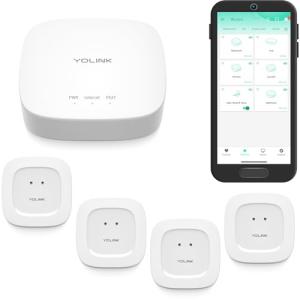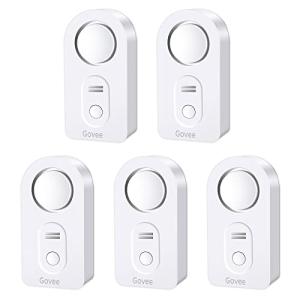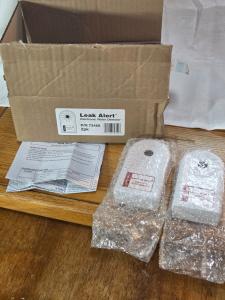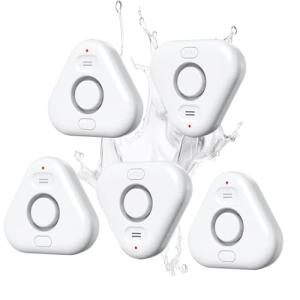

Technical specifications for the Tapo T300 identify it as a digital sensor utilizing sub-GHz radio frequencies (868/922MHz). This choice of wireless protocol demonstrates superior penetration through interior structural elements compared to 2.4GHz Wi-Fi hardware. Performance metrics indicate an operational lifespan of 1 to 2 years using two AAA batteries, facilitated by a low-power RF System-on-Chip (SoC) that minimizes energy consumption during standby states.
Material analysis confirms an IP67 rating, indicating the chassis is sealed against dust and moisture ingress. The sensing mechanism consists of a dual-probe contact array; a moisture bridge between these points completes a low-voltage circuit, triggering the 90dB local siren and an RF transmission to a mandatory Tapo hub. Unlike generic Wi-Fi sensors, the T300 is less susceptible to household signal congestion due to its specialized frequency band.
Standardized testing protocols show that the local 90dB alarm functions independently of the hub's connection to the internet, providing a fail-safe during network outages. However, remote app-based notifications are contingent upon the functional status of the Tapo hub and the external wide area network. Documentation indicates that the probes must be manually dried following a trigger event to prevent potential long-term lead corrosion.
The SwitchBot sensor provides a similar IP67 rating but features dual-surface detection points for monitoring both rising water and overhead drips. Smart Water Leak Detector with Alarm and App Alerts
This device is a primary element in the water leak detectors category for users with Tapo-based architectures.