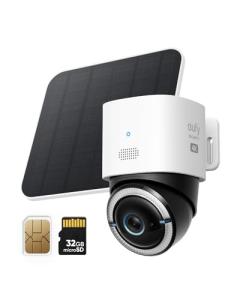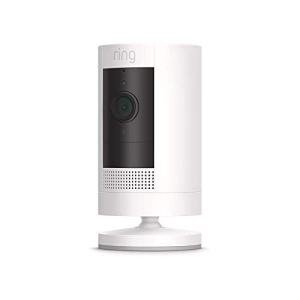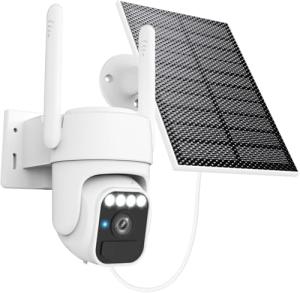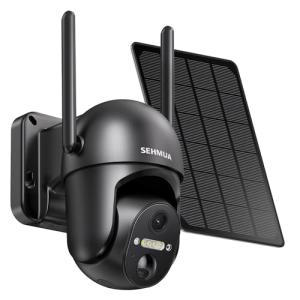

Technical specifications indicate that the Wyze Solar Cam Pan utilize a dual-axis beltless drive for its 360-degree orientation. This friction-based movement mechanism is subject to environmental stiction if the rubber seals experience UV-induced degradation over time. The system is powered by an Ingenic T31ZX chipset which manages H.264 video compression, though performance metrics indicate latency during high-frequency AI detection events.
Energy management is handled by a 5000mAh lithium-ion battery. Standardized testing protocols suggest a requirement of 4 to 5 hours of direct solar irradiance to offset the power consumption of the pan-tilt motors. The connectivity suite is restricted to the 2.4GHz Wi-Fi spectrum, which lacks the interference mitigation found in 5GHz bands. While the chassis carries an IP65 rating, the motor seals represent a primary point of moisture ingress in coastal or high-dust environments.
Material analysis confirms proprietary tooling for the PCB and firmware stack, distinguishing this unit from Tuya-based white-label clones, though this architectural choice limits the availability of standardized replacement parts for the motor assembly.
- Operational Modes: 360° Pan-Tilt Tracking, Event Recording, Two-Way Audio.
- Storage Protocols: Cloud-dependent with local MicroSD support.
- Integration: Wyze Ecosystem proprietary protocol.
Performance metrics demonstrate that the solar efficiency may fall below the discharge rate during periods of high mechanical activity, potentially leading to deep discharge states that require manual intervention via the USB interface. Data-backed reports also note motor stuttering after 6 to 8 months of outdoor exposure due to mechanical fatigue.
To mitigate the risk of battery depletion during high-traffic motor usage, the Wyze Solar Cam Pan should be supported by a network capable of constant streaming. This unit is classified as a node within the broader outdoor security cams architecture.