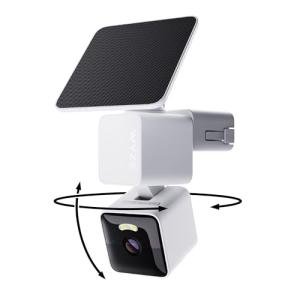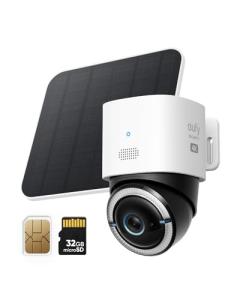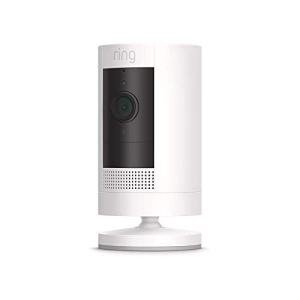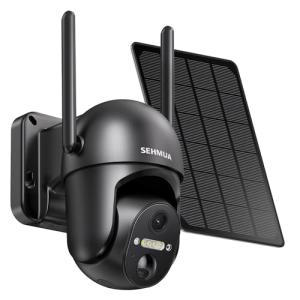

Technical reliability analysis of the 3-Link Wireless 360 camera suggests the use of a Tuya/Sehmua ODM chassis featuring a plastic gear-reduction motor for pan-tilt operations. These gears are susceptible to slipping in extreme temperature cycles or if seal degradation allows moisture ingress. The unit produces an interpolated 2K resolution (2304x1296), which may exhibit compression artifacts during high-motion recording.
The 15,000mAh nominal battery capacity requires 4 to 6 hours of direct solar exposure to maintain a neutral charge in 24/7 standby mode. Standardized testing suggests that the internal 2.4GHz Wi-Fi antenna lacks adequate EMI shielding from the solar charge controller, which can lead to connection drops during two-way audio transmission.
Structural analysis reveals a vertical seam in the chassis that serves as a potential weak point for ice accumulation. The device relies on a proprietary cloud storage push, as the MicroSD slot seal is rated only for standard IP65 conditions and may fail under extreme weather pressure.
If consistent mechanical performance is a priority, consider the 3-Link Wireless 360 Camera as an entry-level solution for basic perimeter monitoring. Information regarding alternative architectural standards is available in the outdoor security cams repository.