
PRODUCT REVIEW
In-Depth U.S. Market Review
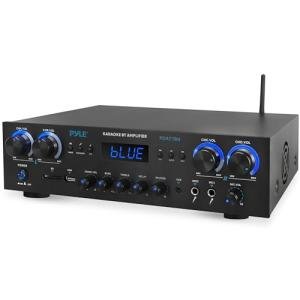
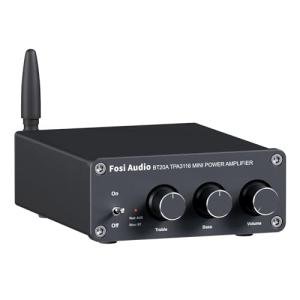
The TPA3116D2 Bluetooth Audio Power Amplifier Board is a foundational product in the U.S. DIY home audio and maker community market. This is not a finished, consumer-ready product, but a highly popular Class D amplifier module, designed for enthusiasts who want to build their own custom speakers, portable audio systems, or repair/upgrade existing components. Its immense popularity stems from the use of the highly efficient and well-regarded Texas Instruments TPA3116D2 chip, which delivers surprising power and clarity for its size and price.
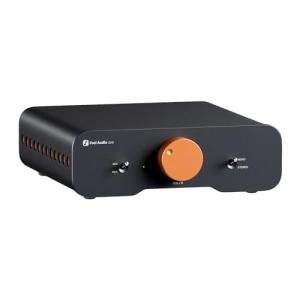
It is positioned against similar bare-board amplifier kits from brands like Fosi Audio, Aiyima, and various other generic manufacturers, but the TPA3116D2 chipset remains the benchmark for budget high-efficiency DIY amps . Compared to pre-built mini-amplifiers, you are sacrificing the enclosure, power supply, and finished controls for ultimate flexibility and a lower component cost. It offers a cleaner signal path and much more power efficiency than older, bulkier Class AB designs, making it the best choice for DIY passive speaker projects .
Technical Analysis
| Specification | Detail & U.S. Context | Analysis |
| Chipset | Texas Instruments TPA3116D2 Class D Amplifier. | This is a highly stable and efficient chip, known for its low heat and excellent sound quality relative to its price, making it a DIY audio community favorite . |
| Output Configuration | 2.1 Channel (2 x Stereo + 1 x Subwoofer). Rated up to 50W x 2 + 100W for Subwoofer. | Perfect for creating a compact, full-range system (stereo satellites and a dedicated passive subwoofer) for a bedroom or desk setup. |
| Input Voltage | DC 12V to 24V range (requires an external U.S.-compatible power supply, not included). | The wide voltage range offers flexibility for use with laptop power bricks, high-capacity battery packs, or dedicated 19V/24V power adapters for maximum clean power. |
| Bluetooth Version | Integrated Bluetooth (typically 5.0 or 5.1). The range will depend heavily on the external antenna and enclosure used. | Adds modern wireless streaming capability to a DIY project, essential for any new audio build in the U.S. market. |
| Control Interface | On-board potentiometers for Volume, Subwoofer Volume, and Bass/Treble (for stereo channels). | Allows for immediate, tactile control adjustments during testing and final use, eliminating the need for complex digital control implementation. |
| Protection Features | Built-in over-voltage, over-current, and short-circuit protection on the chip. | Necessary safety features for DIY enthusiasts, reducing the risk of component damage during initial wiring and operation. |
1. Amplification and Subwoofer Integration
The TPA3116D2 board is remarkable because it integrates a 2.1 channel output onto a single, small PCB. This means you have two dedicated stereo channels for your main passive speakers and a third channel specifically designed to drive a passive subwoofer. This capability is crucial for achieving deep, full bass response, especially in smaller custom speaker enclosures.
The power output, while dependent on the input voltage (a 24V supply is recommended for maximum performance), is substantial for most passive drivers under 6.5 inches. You can expect a clean, powerful sound that rivals many entry-level mass-market soundbars, but with the superior acoustic potential of custom-built, properly sized enclosures.
The separate subwoofer volume control is a massive convenience, allowing you to easily adjust the bass level to match the acoustics of the room or the content being played, which is invaluable for a DIY system.
2. Physical Design and Maker Flexibility
This is an open-source-style circuit board, which means there is no enclosure; you are meant to integrate it into your own housing. This board is small and lightweight, making it an ideal core component for portable projects like DIY boomboxes or integrated audio systems for recreational vehicles (RVs).
The components are clearly labeled, with robust screw-terminal connectors for the speaker wires, making the wiring process straightforward, even for a beginner. The input voltage flexibility (12V-24V) means you can power it from a wide array of existing U.S.-standard power supplies, simplifying the integration process.
The addition of external heat sinks on the power output stages, often seen in U.S. kits, ensures thermal stability, allowing the board to operate reliably at high volumes for extended periods, a key factor for durability.
3. Wireless and Wired Connectivity
The integrated Bluetooth module is what elevates this board beyond a simple power amp. It allows your custom-built audio project to connect wirelessly to modern smartphones, tablets, and PCs. Since the board itself is typically exposed or enclosed by the user, you must consider the placement of the external antenna (usually included) to ensure optimal wireless range.
For wired connections, the board typically features a standard 3.5mm auxiliary input, providing a fallback for connecting devices without Bluetooth, such as older MP3 players or desktop computers. The board often also supports direct connection to a source via solder points, allowing for highly customized internal wiring to a custom control panel or volume knob.
User Profiles
1. The DIY Speaker Builder
You are an audio enthusiast who enjoys woodworking and electrical assembly. You want to build a pair of high-quality, custom-designed passive bookshelf speakers and a matching subwoofer for your office.
-
Use Case: You integrate the TPA3116D2 board into a custom wooden box, connecting the outputs to your newly built speaker cabinets to create a powerful, unique 2.1 channel system.
-
The Fit: This board is the perfect, low-cost "engine" for your project, providing all the necessary amplification channels (2.1) and controls in a compact package. It is the best board for custom 2.1 stereo builds because of its integrated subwoofer output.
2. The Portable Power Projector
You want a powerful, self-contained audio system for your tailgate party, camping trips, or construction site work. You need a system that can run off a battery pack and still fill a large outdoor area with sound.
-
Use Case: You house the board in a rugged plastic cooler, power it with a high-capacity 19V Li-ion battery pack, and use the on-board controls to stream a playlist from your phone during a Sunday afternoon tailgate.
-
The Fit: The 12V-24V input range allows for easy power from portable battery solutions, and the high-efficiency Class D topology maximizes battery life, making it a prime choice for a DIY high-power boombox .
3. The Vintage Component Revitalizer
You have a set of classic, high-quality speaker cabinets (e.g., from the 70s or 80s) whose original internal amplifier has failed, or you want to convert them to a modern, active setup.
-
Use Case: You replace the failed amplifier guts of an old component with this TPA3116D2 board, adding Bluetooth capability and bringing a beautiful, vintage speaker cabinet into the modern age.
-
The Fit: The board's small size and efficiency make it easy to mount inside a tight vintage enclosure. It provides a clean, reliable power source to drive older, possibly lower-sensitivity drivers, providing a simple upgrade for vintage passive speakers .
"Complementary HomeTechCorner Category Recommendations"
| Recommended Products | Why This Category Is Useful Specifically for This Product | Short Usage Scenario |
| Dedicated Home Automation Controllers | Since this is a bare board, a small dedicated controller can be used to add smart on/off functionality to the entire enclosure. | You integrate a controller into your custom box so you can tell your voice assistant "Turn on my DIY speaker," and the board instantly powers up. |
| Smart Power Strips | A smart strip is essential for safely managing the power to the external DC power supply needed for this board. | You use a smart strip to safely cut the main power to the external 24V brick when the project isn't in use, saving standby power. |
| Speaker Stands 290 | Even DIY projects benefit from proper acoustic placement; stands elevate the sound quality of your custom speakers. | After finishing your build, you realize the custom speakers sound muffled on your desk, so you place them on small stands and immediately notice the cleaner bass and clearer highs. |
| Portable Power Stations | For the portable boombox application, a power station offers a safe, long-lasting power source for the board. | You plug the 24V adapter into your portable power station, allowing your custom speaker to run for a full day of tailgating before needing a recharge. |
| Smart Ethernet Switches | For a fixed installation, a smart switch helps manage the network for source devices feeding the amplifier board. | You connect a dedicated network switch to your audio sources, ensuring a stable, high-bandwidth connection for your lossless streaming setup. |