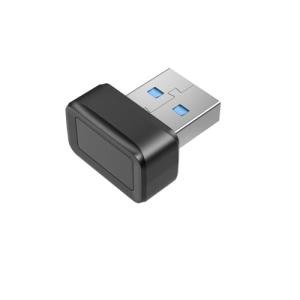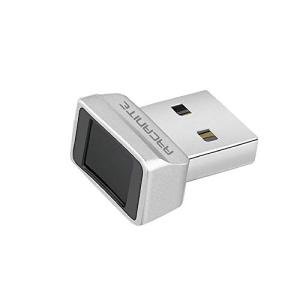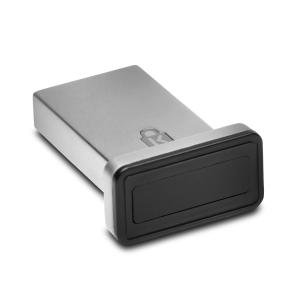

Technical specifications identify the TEC TE-FPA2 as a capacitive-based biometric interface optimized for the Windows Biometric Framework (WBF). Performance metrics demonstrate a matching latency of approximately 0.05 seconds, facilitating rapid authentication within Windows Hello environments. The sensor utilizes a 360-degree image reconstruction algorithm, which maintains False Rejection Rate (FRR) stability independent of finger orientation.
Material analysis confirms the chassis is primarily constructed from ABS plastic. Internal hardware auditing reveals a Goodix-based chipset architecture, providing native driver compatibility via standard operating system update channels. The compact physical dimensions are designed to minimize obstruction of adjacent USB ports during deployment.
- Operational modes: Local Windows Hello authentication, File Encryption via software bridge.
- Integration standards: Plug-and-play via Windows Update (WU); 360-degree capacitive touch sensing.
Operational stability is contingent upon consistent voltage; performance data suggests that connection via unpowered passive hubs may result in recognition errors during the biometric scan phase. System integration is best achieved through direct motherboard interface or a powered distribution node.
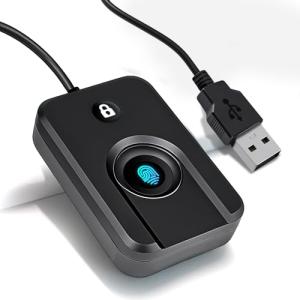
For environments requiring a tethered desk-top interface rather than a direct-plug dongle, the Jian Boland USB Fingerprint Reader offers a 5ft cable to facilitate ergonomic sensor placement.
This hardware functions as a critical node within the broader usb fingerprint readers classification, serving as a primary biometric gateway for local workstation security.