

Structural dimensions for the Jian Boland USB Fingerprint Reader include an integrated 5-foot (1.5m) shielded cable, designed to move the biometric sensor from the PC chassis to the desk surface. Technical audits show this configuration improves the signal-to-noise ratio by optimizing the physical path of user interaction and reducing mechanical strain on host USB ports.
The unit features a 360-degree capacitive touch sensor utilizing standard Windows Biometric Framework (WBF) drivers. While the housing is comprised of lightweight plastic, the internal chipset provides rapid biometric matching and one-click screen locking functionality. Data indicates that direct connection to the motherboard I/O or a powered docking station provides the most consistent power envelope for the sensor.
Performance metrics demonstrate high tolerance for finger orientation; however, the lack of on-board credential storage means the device functions strictly as a capture-and-tokenization peripheral. Vulnerability to electrostatic discharge (ESD) in low-humidity environments is noted in material analysis reports.
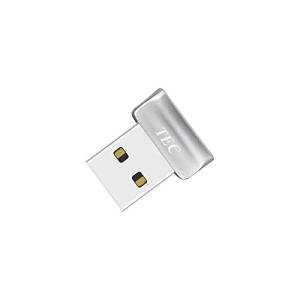
Users seeking a more compact, direct-plug alternative for mobile laptop use should consider the TEC Mini USB Reader, which eliminates the cable in favor of a zero-profile dongle format.
This cabled interface is a specialized entry in the usb fingerprint readers repository, balancing ergonomic flexibility with biometric throughput.