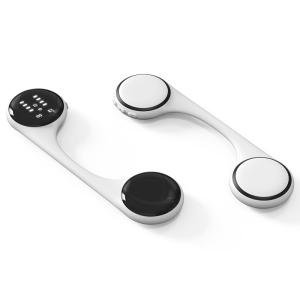

Technical analysis identifies the Morseatooke unit as an analog-digital hybrid resonator employing bone-conduction-style transduction. Rather than utilizing traditional acoustic displacement of air, the internal vibratory driver conducts longitudinal waves through pillow materials to provide localized audio delivery. This architectural choice limits the frequency response to a mid-range profile optimized for ambient noise and vocal frequencies, while excluding low-frequency bass extension.
Material and Operational Specifications
Structural integrity is maintained by a low-profile plastic housing, though internal wiring gauge is susceptible to fatigue if the chassis is subjected to consistent vertical compression from heavy mass. Power requirements are managed by an internal 230mAh to 300mAh lithium-polymer battery, which supports a continuous playback cycle of approximately 10 to 12 hours. Connectivity is facilitated through a Bluetooth 5.0 chipset, ensuring compatibility with mobile broadcast nodes.
Operational data confirms that high-density memory foam provides a high degree of acoustic impedance, which significantly reduces the effective output decibels reaching the user.
- Operational Modes: 30-minute timer, 60-minute timer, Continuous Playback
- Connectivity Protocol: Bluetooth 5.0
- Transduction Method: Vibratory Bone Conduction
Aggregated hardware analysis suggests that internal components, including the printed circuit board and battery specifications, are interchangeable with Pmnqy and Grotawel hardware platforms. To mitigate mechanical stress on the internal transducer and surface-mounted charging port, placement within the lower section of a pillowcase is recommended to prevent direct load-bearing impact.
For users requiring a wearable form factor that maintains driver alignment during lateral movement, the Pmnqy Bluetooth Headband offers a tension-based alternative to under-pillow resonators.
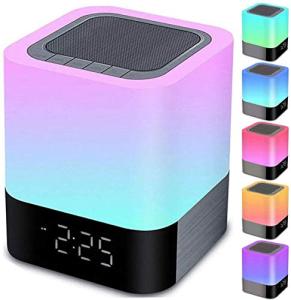
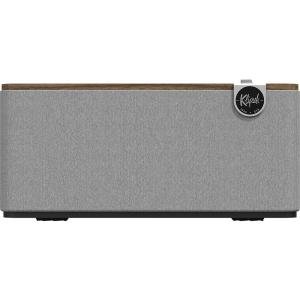
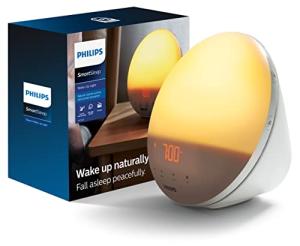
This hardware is classified within the broader ecosystem of specialty audio speakers designed for localized, near-field acoustic environments.