💡 Practical Usage Tips
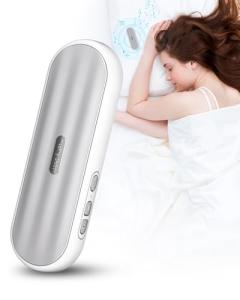
- Placing a bone-conduction unit under a dense memory foam pillow creates high ACOUSTIC IMPEDANCE, which helps lower the volume naturally for a more subtle listening experience.
- Users should avoid leaving battery-powered devices plugged in continuously, as this practice can accelerate the degradation of the LITHIUM-POLYMER cells inside.
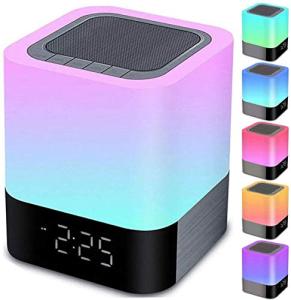
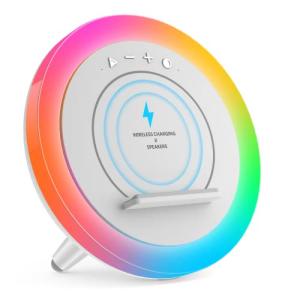
- For devices with integrated lighting, selecting a model with step-dimming logic ensures that the light transitions smoothly without the flickering effect often caused by PULSE-WIDTH MODULATION.
- Using a wired connection instead of Bluetooth eliminates radio frequency emissions near the head and prevents audio LATENCY issues while watching videos.
✅ What to Look For & ⚠️ What to Avoid
Start With These Essentials
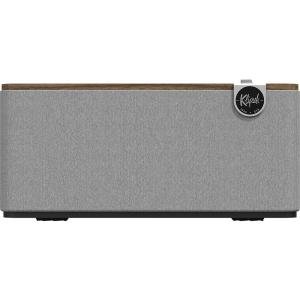
- A modern USB-C interface is crucial for convenience and durability, as seen on the Klipsch The One Plus, which also supports reverse charging.
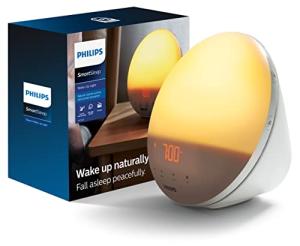
- Look for devices that offer replaceable components, such as the halogen bulb in high-end wake-up lights, to ensure the unit remains functional for years.
- Passive cooling designs using breathable textiles are essential for sleep electronics to prevent heat buildup under bedding materials.
- Physical tactile buttons are often superior to capacitive touch sensors in the dark, as they prevent accidental activation while sleeping.
Watch Out For These Issues
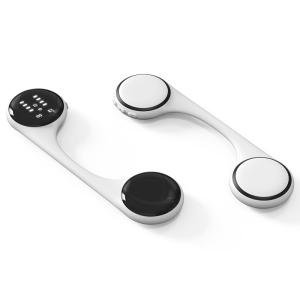
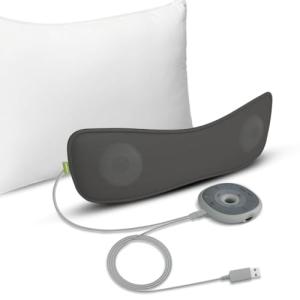
- Be cautious of internal wiring with a thin gauge in wearable headbands, as these wires are prone to fatigue and failure from constant movement.
- Avoid speakers with a known PARASITIC POWER DRAW, which drains the battery even when the device is turned off.
- Bright blue status LEDs that cannot be dimmed or disabled can significantly disrupt circadian rhythms and sleep quality.
- Micro-USB ports lack the structural reinforcement of modern connectors and are a common failure point in budget electronics.
🛡️ Build Quality & Performance
The longevity of specialty audio equipment often depends heavily on the materials used in the chassis construction. High-fidelity units utilizing real wood veneer, such as premium bookshelf speakers, offer superior structural damping compared to ABS plastic enclosures. This density reduces unwanted cabinet RESONANCE, resulting in cleaner audio reproduction. Conversely, portable sleep devices often prioritize lightweight polymers to minimize discomfort, but this trade-off can leave internal components like the TRANSDUCER vulnerable to compression damage if heavy weight is applied directly to the housing.
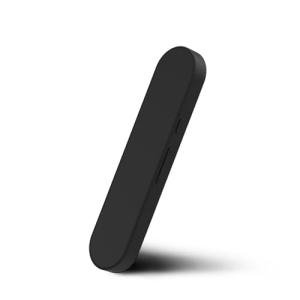
For wearable audio, the integration of electronics into fabric presents unique challenges. The connection points between the Bluetooth module and the drivers are subject to mechanical stress every time the user shifts positions. While a device like the Morseatooke Portable Resonator avoids this by sitting under the pillow, wearable bands must rely on flexible textiles to dissipate heat and tension. Wired solutions offer the highest reliability by removing batteries and firmware from the equation, ensuring that the device functions as long as the physical cable remains intact.
🏆 Top Recommendations
| Best For |
Model Name |
Key Feature |
Why It Wins |
| Premium Audio |
Klipsch The One Plus |
2.1 Bi-Amplified System |
It delivers audiophile-grade sound with real wood materials and no battery anxiety. |
| Side Sleepers |
Pmnqy Headband |
4mm Thin Drivers |
The ultra-thin profile allows for comfortable listening even while lying on your side. |
| Gentle Waking |
Philips SmartSleep |
Halogen Sunrise Sim |
It uses medical-grade light simulation to support natural circadian rhythms. |
| Radiation Free |
Avantree Slumber |
Wired 3.5mm Analog |
This passive device eliminates EMF emissions and connection drops completely. |
❓ Frequently Asked Questions
What is the benefit of bone conduction in sleep speakers?
Bone conduction, or similar vibratory methods, transmits sound through solid materials like a pillow rather than pushing air like a standard speaker. This allows the user to hear the audio clearly while their ear is pressed against the pillow, without the sound traveling far enough to disturb a partner sleeping nearby.
Why do some devices use halogen bulbs instead of LEDs?
Halogen bulbs produce a continuous spectrum of light that more closely mimics natural sunlight compared to many LED arrays. Additionally, simple LED dimming often uses a technique that creates invisible flickering, which can be irritating to sensitive eyes, whereas halogen lamps dim smoothly without this strobe effect.
Is a wired connection better than Bluetooth for sleep?
A wired connection is generally more reliable because it does not depend on batteries or wireless pairing protocols, which can fail or disconnect overnight. However, it does require managing a physical cable in the bed, which some users may find restrictive or uncomfortable depending on their sleep movements.
Can I use regular speakers under my pillow?
Standard portable speakers are typically too thick and rigid to be comfortable under a pillow, and they are not tuned to push sound through dense foam. Using a non-specialized speaker may also cause it to overheat, as the bedding insulates the device and prevents necessary airflow.