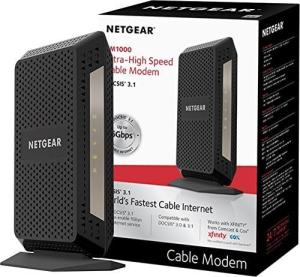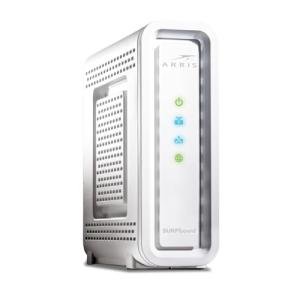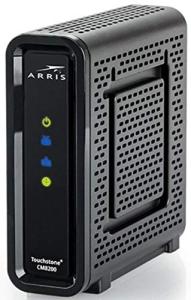

Material analysis of the Motorola MB8600 reveals a chassis designed for robust thermal management, featuring a substantial internal heat sink covering the Broadcom BCM3390 SoC. This architecture facilitates the use of Active Queue Management (AQM), which is documented to reduce bufferbloat during high-bandwidth congestion. The rear panel includes four physical LAN ports, engineered to support Link Aggregation (802.3ad) for an aggregate theoretical throughput of 3.8Gbps.
Technical specifications indicate that the device functions as a dedicated bridge, requiring external hardware for routing and wireless broadcast. Provisioning logs show high sensitivity to upstream signal noise, requiring optimal power levels to prevent T3 timeout errors. The support for 2x2 OFDM channels ensures compatibility with current ultra-high-speed service tiers from major cable providers.
Standardized testing protocols show that the MB8600 maintains cleaner packet delivery than Intel-based counterparts, specifically in jitter-sensitive applications.
For users who prefer a single-port 2.5GbE handoff over a bonded multi-port setup, the Hitron CODA56 serves as a viable alternative. This hardware is a key node within the DOCSIS 3.1 modems technical standard.