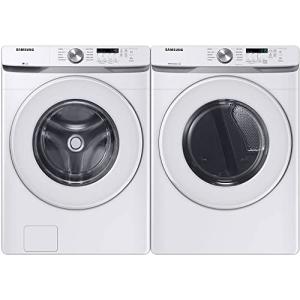

PRODUCT REVIEW: Midea Heat Pump Ventless Dryer and Washer Combo
In-Depth U.S. Market Review
The Midea Heat Pump Ventless Dryer and Washer Combo is a disruptive product in the U.S. appliance space, targeting maximum utility in minimal square footage. This all-in-one appliance performs both washing and drying cycles in a single drum, eliminating the need for two separate machines. For apartment dwellers, tiny home owners, or anyone with severely restricted space, this ventless combo is an elegant, though less common, solution.
Its integration of heat pump drying is a crucial differentiator; unlike older, less efficient washer/dryer combos that use a standard condenser, this model boasts superior energy efficiency. Compared to owning a separate compact washer and heat pump dryer, you save on installation complexity and space, getting a streamlined, single-footprint appliance. It’s positioned as the ultimate space-saving, energy-efficient laundry solution for the modern, compact American dwelling.
Technical Analysis
| Specification | Detail & U.S. Context | Analysis |
| Appliance Type | All-in-One Washer/Dryer Combo | Combines two functions into one machine, eliminating the need for separate installation and saving valuable floor space. |
| Drying Technology | Heat Pump Ventless | Highly energy-efficient method of drying, recycling air and avoiding external venting, ideal for tight U.S. urban spaces. |
| Footprint | Standard Compact 24" Width | Designed to fit into small closets and European-style appliance cavities, making it suitable for U.S. apartment standards. |
| Voltage | Typically 120V or 240V (Check Model) | Many combos run on a standard 120V outlet, a major convenience for apartments, eliminating the need for a dedicated 240V line. |
| Wash/Dry Capacity | Single Drum Shared Capacity | The machine can wash a full load, but often must dry a reduced portion of that load to achieve optimal results, a key operational difference. |
| Water Requirement | Cold and Hot Water Inlet & Drain | Requires standard washer hookups (water supply and drain), simplifying plumbing but necessitating a nearby water source. |
1. The All-in-One Design and Cycle Management
The defining characteristic of this Midea combo is its ability to perform a complete "wash-to-dry" cycle without user intervention between stages. You load the dirty laundry, press start, and return hours later to clean, dry clothes. This is a tremendous convenience, especially for the busy user who cannot babysit two separate machines.
However, a critical operational note for U.S. consumers is the dry capacity . While it can wash a full load, the heat pump drying process works best when the drum is less full. You might need to remove some items after the wash to allow the rest of the clothes enough space to tumble and dry effectively, which can be an adjustment compared to separate units.
2. Heat Pump Efficiency and Ventless Operation
The integration of heat pump technology is what makes this combo unit a compelling modern choice. Previous generations of all-in-one units were notorious energy hogs due to their condenser-based drying. The heat pump significantly cuts down on electricity consumption by efficiently removing moisture and reusing the heat.
Furthermore, the ventless design is the key to its versatility in the American apartment market. Since no ducting is required, you can install this machine virtually anywhere that has water access and power. This flexibility is invaluable in older homes or rental units where creating a new vent is impossible.
3. Physical Footprint and Installation
With a 24-inch width , this combo unit is an exceptional space-saver. It occupies the space of a single compact washer, delivering both functions in one neat package. This makes it perfect for utility closets, kitchens, or even a large bathroom, allowing you to reclaim valuable square footage.
Installation is relatively simple, mirroring that of a standard compact washer: cold and hot water hookups, a drain hose, and an electrical plug. If it uses a standard 120V plug (common for combos), this simplifies the setup immensely, as nearly all U.S. homes have accessible 120V outlets.
User Profiles
1. Studio Apartment Minimalist
You live in a small studio or a tiny house and need to maximize every square foot of living space. You have limited laundry needs—mostly clothes and a few towels a week—and the thought of owning two separate bulky appliances is non-negotiable.
-
Use Case: You need a single appliance that can be neatly tucked into a closet, completing the entire laundry process with one press of a button.
-
The Fit: The single unit, all-in-one design and 24-inch width save you 50% of the floor space compared to a stacked pair. The heat pump is a bonus for keeping your tiny home's energy use low.
2. Secondary Home Owner
You own a vacation rental, an in-law suite, or a pool house that requires a small, dedicated laundry unit for guest use. The laundry area is remote or small, and you want to ensure the lowest utility costs possible for the occasional user.
-
Use Case: You are setting up a laundry station for guests in a small, out-of-the-way utility area that lacks 240V power or proper venting.
-
The Fit: The ventless feature and potential 120V operation make installation a breeze in non-traditional spaces. The energy-efficient heat pump keeps your operating costs low, even if guests run it frequently.
3. Single-Person Time Saver
You are a busy professional who lives alone and prioritizes hands-off automation and convenience above all else. You don't have large loads of laundry, but you hate transferring wet clothes from the washer to the dryer.
-
Use Case: You need to start a load of laundry before work and come home in the evening to perfectly dry, clean clothes without ever needing to touch the wet items in between.
-
The Fit: The seamless wash-to-dry cycle is the ultimate convenience, requiring zero manual intervention for the entire process. This hands-off approach perfectly matches your desire for efficiency.
"Complementary HomeTechCorner Category Recommendations"
| Recommended Products | Why This Category Is Useful Specifically for This Product | Short Usage Scenario |
| Smart Power | If this unit is 120V, a smart plug can enable you to monitor its energy usage and even track cycle completion via power-drop detection. | You use a 120V smart plug to track when the appliance draws zero power (finished), then automatically send a "laundry done" notification to your phone. |
| Environmental Sensors Temp Humidity | Combos can sometimes introduce slight residual humidity into the immediate area; a sensor helps you monitor and manage the air quality. | You place a small humidity sensor in the laundry closet, confirming that the ventless heat pump is effectively managing moisture during the drying phase. |
| Smart Home Control | Essential for monitoring the long wash/dry cycle remotely, which can often take several hours in a combo unit. | You check the Midea app during your lunch break to confirm the full wash and dry cycle is running smoothly and will be done before you get home. |
| Water Leak Detectors | As an all-in-one unit with constant water connection and draining, leak detection is vital for apartment or upstairs installation peace of mind. | The water leak detector under the unit immediately alerts your phone when a small drip starts from the drain hose connection, preventing major floor damage. |
| Smart Power Strips | If you run on 120V, a high-quality, smart power strip could offer surge protection for the sensitive electronics in the washer/dryer combo. | A sudden power surge is blocked by your connected smart strip, ensuring the complex electronic control board is protected from damage. |