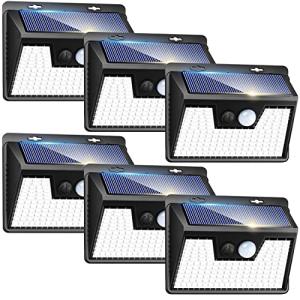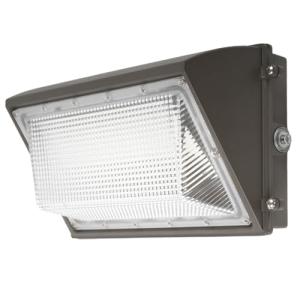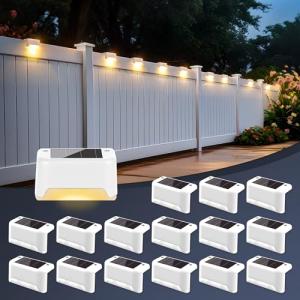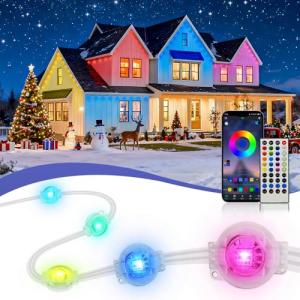


Material analysis of the Ilanck 12-Pack identifies a high risk of "Single-Season" seal failure due to thermal expansion. Technical specifications indicate that the ultrasonic welds between the solar laminate and the ABS housing frequently develop micro-fissures during diurnal temperature cycling. This structural compromise facilitates internal condensation, which leads to the corrosion of Ni-MH battery terminals and subsequent PCB short-circuiting within an operational window of 4 to 6 months.
Aggregated data lists the energy storage as a 1.2V 600mAh Ni-MH cell, a low-capacity configuration typical of high-volume production runs. The conversion efficiency of the polycrystalline solar panel is inherently limited compared to monocrystalline alternatives, particularly under overcast conditions. Structural dimensions are maintained via ABS plastic stakes that lack high-level UV-stabilizers, increasing the probability of material brittleness in high-UV environments.
The circuitry utilizes an analog photocell for passive dusk-to-dawn triggering, which precludes software-based dimming or mesh network capabilities. While the unit provides a low-entry-cost solution for non-critical pathway markers, the high failure rate in multi-packs suggests a limitation in standardized quality control for the internal LED drivers.
- Installation Method: Tool-free ground stake
- Trigger Mechanism: Analog Photocell
- Material Composition: Non-UV-stabilized ABS
If consistent illumination and active monitoring are required, the Ensenior RGB Solar Spotlights offer a more robust IP67-rated alternative with superior silicone gasket seals.
These units function as basic nodes within the outdoor lighting architectural category.