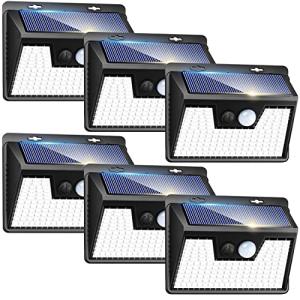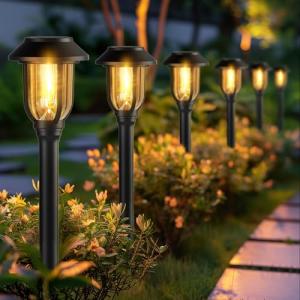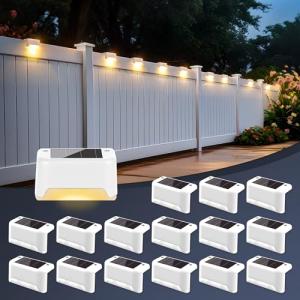


System integration auditing confirms this 60W fixture as a high-lumen density analog unit. Technical specifications indicate a purely mechanical architecture designed for high-throughput illumination without the firmware vulnerabilities associated with IoT-connected devices. The 100-277V driver range provides industrial-grade stability against voltage fluctuations, while the die-cast aluminum housing functions as a high-capacity heat sink required to dissipate the thermal output of the 60W LED array.
Material analysis confirms the use of a cadmium sulfide (CdS) photocell for autonomous dusk-to-dawn triggering. Performance metrics demonstrate a high thermal efficiency, though the "dumb" nature of the sensor prevents software-based scheduling or remote dimming. This unit utilizes a shared chassis ODM design common in commercial-grade wall packs, featuring weather-sealed gasketry and a fixed color temperature, typically exceeding 5000K.
Operational Insight: To prevent photocell flickering caused by "optical feedback loops," installation must avoid proximity to secondary light sources. Technical documentation recommends caulking the wall-side gasket to ensure moisture does not ingress into the wiring chamber.
The lack of manual override or dimming capabilities necessitates the use of external controllers if integrated into a managed ecosystem. Material specifications confirm the housing's rigidity, though the lack of network connectivity makes it a standalone node in the lighting perimeter.
For deployments requiring greater length and software-based control over a 300ft run, the Xinkaite Smart Outdoor System provides a networked alternative to this fixed analog fixture.
This hardware is categorized under perimeter lighting systems intended for permanent commercial or residential installation.