
PRODUCT REVIEW
In-Depth U.S. Market Review
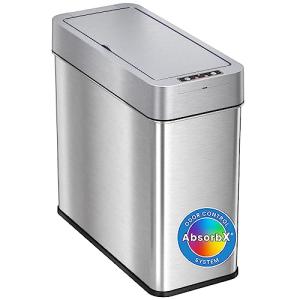
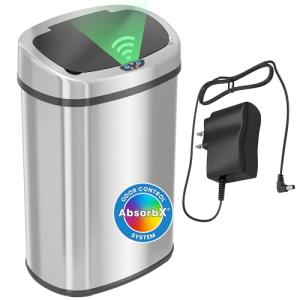
The Automatic Touchless 13 Gallon Trash Can in Stainless Steel is arguably the most common and essential "smart" upgrade for the modern U.S. kitchen. Designed around the standard 13-gallon kitchen bag size, it fulfills the core need of an American family: high capacity and total hygiene. This can is a direct competitor to traditional step-pedal bins, using infrared sensor technology to eliminate the need to physically touch the lid, addressing a major germ-transfer concern.
Its position in the U.S. market is that of a premium utility item. The stainless steel construction ensures it blends seamlessly with existing kitchen appliances, contributing to a cohesive, high-end look. The automatic, touchless feature is no longer a gimmick but a core convenience that many American households now expect.
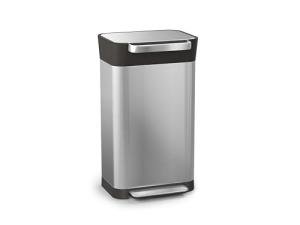
Compared to more specialized cans like compactor units or dual-compartment bins, this model offers a single, large-volume solution focused entirely on ease of use and cleanliness. It's the go-to best portable monitor for travel solution for anyone seeking reliable, full-size kitchen waste management without unnecessary complexity.
Technical Analysis
| Specification | Detail & U.S. Context | Analysis |
| Capacity | 13 Gallons (approx. 49.2 Liters). | The ideal size for U.S. kitchen waste volume, guaranteeing full compatibility with readily available 13-gallon trash bags, optimizing cost and convenience. |
| Sensor Technology | Infrared Motion Sensor (often with a short-range, targeted field). | The core feature providing touchless, hygienic access. Needs to be finely tuned to open quickly when intended but avoid constant accidental triggers from foot traffic. |
| Material | High-grade, smudge-resistant Stainless Steel. | Essential for kitchen integration and durability. The finish resists fingerprints and is easy to wipe clean, maintaining the can’s aesthetic appeal. |
| Power Source | Typically uses D-cell or AA batteries (sometimes an optional AC adapter port). | Battery power ensures the can can be placed anywhere in the kitchen, not dictated by wall outlet location. Long battery life is crucial for user satisfaction. |
| Lid Seal and Timing | Tight-sealing lid that automatically closes after a set time delay (e.g., 5-7 seconds). | The seal contains odors, and the timer ensures enough time to dispose of waste without the lid closing prematurely or staying open too long. |
| Inner Bag Ring | Removable plastic ring to secure and hide the bag liner. | A critical aesthetic feature that keeps the trash bag neatly tucked away, preserving the sleek look of the stainless steel exterior. |
1. Sensor Performance and Hygienic Workflow
The primary technical value of the Automatic Touchless 13 Gallon Trash Can is the reliability of its motion sensor. In a busy kitchen, the can must open instantly when a hand hovers over it, and close reliably shortly after. This hygienic workflow is particularly valuable during cooking when hands may be wet, sticky, or contaminated with food. The non-contact nature prevents the can from becoming a transfer point for germs.
The sensor’s field of view is optimized to detect activity directly above it while minimizing side-to-side detection. This engineering decision helps conserve battery life and prevents the can from opening every time someone walks past it, a common complaint with poorly designed smart cans.
2. Durability and Aesthetic Integration
The stainless steel construction is not merely for looks; it provides the robust, heavy-duty build required for a high-traffic kitchen appliance. The material is resistant to dents and scratches and can withstand repeated cleaning with commercial sanitizers. Many models apply a fingerprint-resistant finish, which is non-negotiable for a metallic kitchen surface that will be touched (or nearly touched) countless times a day.
This aesthetic integration is a major driver for U.S. sales. Consumers want their appliances to match, and this stainless steel can provides that seamless, high-end look, moving the trash can from a utility object to a deliberate design element.
3. Power Management and User Convenience
By relying on battery power, the can offers maximum flexibility in placement, which is a key factor in diverse U.S. kitchen layouts. The engineering challenge is to pair a powerful enough motor for the heavy lid with a low-drain sensor and control board. A well-designed can should last for months on one set of D-cell batteries, making the power source a background convenience rather than a constant hassle.
The simplicity of the system—just open and close—makes it incredibly convenient for all household members, from children to the elderly, removing the physical effort required by a pedal and the aim required by a hand-operated lid.
User Profiles
1. The Active Home Cook
You are constantly in the kitchen cooking, prepping, and cleaning up multiple meals a day. You value efficiency and cleanliness above all else when dealing with food waste.
-
Use Case: You are cleaning up after preparing a messy dinner. Your hands are full of kitchen scraps and you are able to use a foot or knee gesture near the sensor to open the can and quickly scrape the waste off your cutting board without touching anything.
-
The Fit: The reliable motion sensor and the large 13-gallon capacity are perfectly suited to the high-volume, high-mess environment of a working kitchen. The stainless steel surface is also easy to clean, allowing you to wipe it down during your daily clean-up routine.
2. The Multi-Generational Household
Your home includes members of different ages, from young children to elderly relatives. You need a safe, easy-to-use, and highly accessible waste solution that requires minimal effort from everyone.
-
Use Case: A small child can easily reach the sensor to dispose of an item without struggling to step on a pedal, and an elderly relative can dispose of waste without bending down or putting strain on their joints.
-
The Fit: The touchless, automatic lid is the ultimate in accessibility, requiring minimal physical interaction. The large, standard capacity means less-frequent bag changes, which reduces the physical labor for whichever family member handles the chore.
3. The Modern Design Enthusiast
You have invested heavily in a contemporary, open-concept kitchen with matching stainless steel appliances. Your trash can must look like a deliberate design choice, not an afterthought.
-
Use Case: The can is highly visible from the dining and living areas. It needs to look pristine and operate silently to maintain the sophisticated atmosphere of your open floor plan.
-
The Fit: The sleek stainless steel finish and silent, soft-closing lid blend perfectly with your high-end appliances. The inner ring hides the trash bag, ensuring a clean, uncluttered visual that matches your aesthetic standards.
"Complementary HomeTechCorner Category Recommendations"
| Recommended Products | Why This Category Is Useful Specifically for This Product | Short Usage Scenario |
| Smart Sensors | Can monitor ambient traffic around the can and track usage patterns for maintenance. | You use a small contact sensor in the lid mechanism to track the number of times the can opens each day, giving you an accurate prediction of when the batteries will likely need replacement. |
| Smart Lighting | Allows you to automatically illuminate the area around the can for nighttime use without touching a light switch. | You walk by the can in the dark, and a motion-triggered smart light under the cabinet turns on low, allowing you to accurately aim your trash at the open lid without fumbling for a switch. |
| Air Quality Monitors | Provides an objective measure of any odors that may escape, indicating a bag change is needed. | You check your kitchen’s air quality monitor and see a spike in VOCs, which confirms that the trash in the 13-gallon can is beginning to smell, prompting an immediate bag change. |
| Smart Power | If you utilize the optional AC power adapter, a smart plug can be used to monitor the small energy drain. | You plug your trash can's adapter into a smart plug that tracks the minimal power usage, mainly as a novelty to see how little energy is required to run the touchless system all month. |