Maintaining a healthy indoor environment starts with understanding the invisible elements in the air. Modern monitoring technology allows residents to track everything from common dust and allergens to potentially harmful gases like carbon dioxide and formaldehyde. This guide explores how to select a reliable device that balances sensor accuracy with user-friendly features to ensure a safer living space for everyone.
Air Quality Monitors
Keep your air fresh and clean with smart monitors that track quality performance for a healthier home
Product List
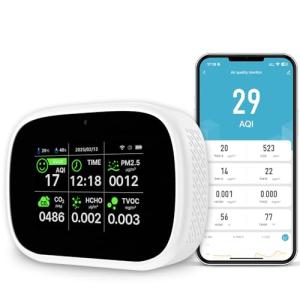
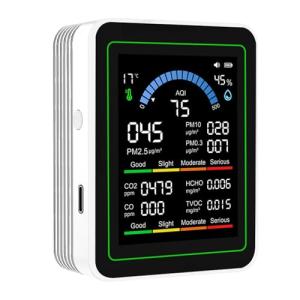
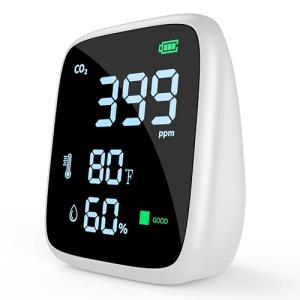
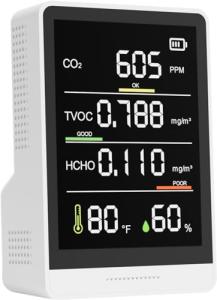
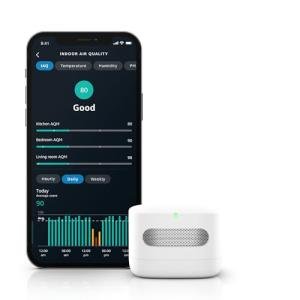
Alexa-Enabled Air Quality Monitor
Amazon
Product Review Score
4.39 out of 5 stars
155 reviews$69.99 $44.99
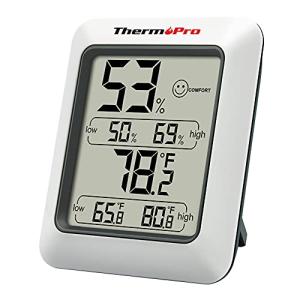
ThermoPro TP50 Digital Hygrometer
Thermopro
Product Review Score
4.99 out of 5 stars
78 reviews$15.99 $9.99
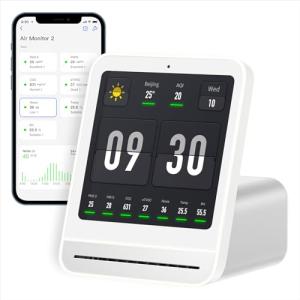
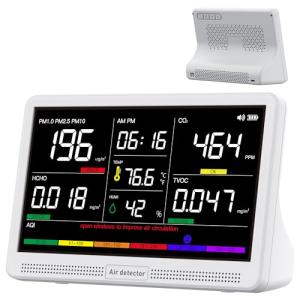
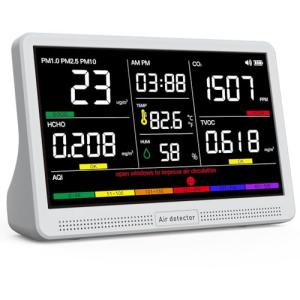
Bonoch 16-in-1 Air Monitor
Bonoch
Product Review Score
4.87 out of 5 stars
222 reviews$119.99 $95.99
💡 Practical Usage Tips
- Place the monitor at breathing height in the center of the room to get the most accurate representation of the air actually being inhaled.
- Perform a manual calibration in fresh outdoor air at least once a month to ensure the sensors do not drift away from accurate baseline readings.
- Keep the device away from open windows or air purifiers while testing, as these can create localized "pockets" of clean air that do not reflect the overall room quality.
- Use a stable USB POWER SOURCE for devices with large backlit displays to prevent the battery from draining unexpectedly during a monitoring cycle.
✅ What to Look For & ⚠️ What to Avoid
Must-Have Features:
- Look for a NDIR SENSOR for carbon dioxide detection, as this technology is much more reliable than cheaper chemical alternatives.
- Choose a model with LASER SCATTERING technology to accurately track fine dust particles like PM2.5.
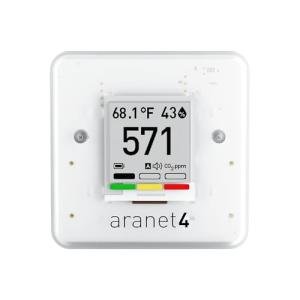
- The SAF Aranet4 is a gold standard because it uses an energy-efficient E-INK DISPLAY and high-precision sensors.
Red Flags to Avoid:
- Be cautious of devices that claim to measure a dozen different gases but actually use mathematical formulas to guess the numbers instead of having real sensors.
- Avoid relying on internal temperature readings from monitors that get warm during use, as the heat from the screen can make the room seem 3-5 degrees warmer than it actually is.
- Watch out for "cross-sensitivity" where the monitor might spike or give a false alarm just because someone nearby used hairspray or cleaning alcohol.
🛡️ Build Quality & Performance
The physical construction of air quality monitors ranges from lightweight, pocket-sized units to large, tabletop displays meant for permanent installation. High-performance models often feature an ACTIVE FAN that pulls air into the device, ensuring the sensors always have a fresh sample to analyze. While these fans can make a slight humming sound, they provide much faster response times compared to passive units that wait for air to drift in naturally.
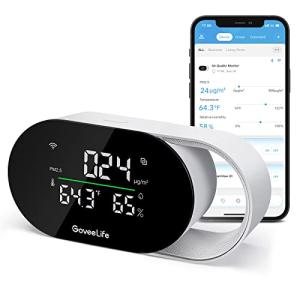
Durability is largely determined by how the device handles heat and dust. Many smart monitors, such as the GoveeLife Smart Air Quality Monitor, use a wired power connection to maintain constant activity without the hardware fatigue that comes from frequent battery charging cycles. It is important to look for a chassis with clear ventilation, as dust buildup in the OPTICAL CHAMBER can eventually cause the readings to become less accurate over several months of use.
🏆 Top Recommendations
| Best For | Model Name | Key Feature | Why It Wins |
|---|---|---|---|
| Professional Accuracy | SAF Aranet4 | SenseAir NDIR Sensor | Two-year battery life and incredible CO2 precision. |
| Smart Home Fans | Amazon Smart Monitor | Alexa Integration | Can automatically turn on fans or purifiers via routines. |
| Visual Desktop Use | Qingping Gen 2 | IPS Touchscreen | High-resolution display includes a noise level sensor. |
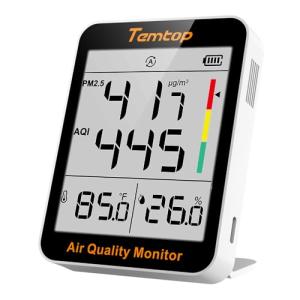
| Long-Term Portability | Temtop PM2.5 | 60-Day Battery | Best for tracking dust in areas without power outlets. |
❓ Frequently Asked Questions
Why does my monitor give a different reading than the local weather report?
Local weather reports use outdoor stations that might be miles away from your home. Indoor air quality is often much worse than outdoor air due to cooking, pets, and a lack of ventilation, which is why a personal monitor is necessary for an accurate picture of your specific environment.
What is the difference between PM2.5 and TVOC?
PM2.5 refers to tiny physical particles like dust, smoke, or pollen. TVOC stands for Total Volatile Organic Compounds, which are invisible gases released by things like new furniture, paints, or cleaning chemicals.
Do I need Wi-Fi for an air quality monitor to work?
No, many monitors are designed to work as standalone devices that show data on a built-in screen. However, Wi-Fi allows you to check the air quality from your phone when you are away and lets you see historical charts to find patterns in your air quality.