Creating a truly connected home environment requires more than just a collection of random gadgets; it demands a central system that allows devices to communicate effectively. Modern smart home solutions now bridge the gap between high-fidelity audio and complex automation protocols, giving users control over lighting, security, and entertainment from a single point. Finding the right hardware involves balancing robust network compatibility with user-friendly features to ensure a seamless and frustration-free experience.
Smart Hub Speakers
Connect and control all your smart devices with ease and style
Product List
💡 Practical Usage Tips
- Assigning a static IP address via DHCP reservation ensures that the device maintains a consistent connection with other hardware on the network.
- Placing the hub or speaker at least three feet away from routers and large metal objects helps minimize frequency interference.
- Utilizing a wired Ethernet connection for the main hub establishes a stable path for critical command-acknowledgment cycles, especially in homes with many wireless devices.
- Users should invest in a small uninterruptible power supply (UPS) because most hubs lack an internal battery and will reboot instantly during power fluctuations.
✅ What to Look For & ⚠️ What to Avoid
Must-Have Features
- Modern setups benefit greatly from devices that support the Matter-over-Thread protocol, which creates a faster and more reliable local mesh network.
- A dedicated neural processing unit allows voice commands to be processed locally on the device, significantly improving response times.
- Look for hardware that supports local execution to ensure your automation rules continue to run even if the internet connection goes down.
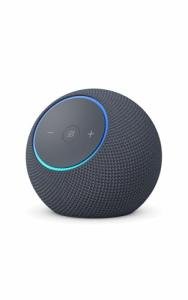
- The Amazon Echo Dot Max is an excellent example of a device that integrates these advanced processing capabilities.
Red Flags
- Devices with limited RAM, such as those capped at 256MB, may experience performance lags when managing networks with more than 150 connected devices.
- A lack of internal battery backup makes the system vulnerable to immediate shutdowns during minor power surges or outages.
- Speakers without a 3.5mm analog input restrict audio usage entirely to digital streaming sources, which limits flexibility for some audio setups.
🛡️ Build Quality & Performance
The physical construction of a smart hub or speaker plays a direct role in its longevity and reliability. High-performance units often generate significant heat during operation, especially when processing complex automation logic or driving audio components. To combat this, effective designs incorporate an internal heatsink to dissipate thermal energy away from the processor and neural units, ensuring consistent performance without throttling.
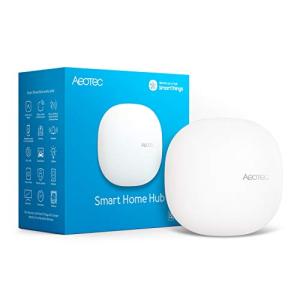
When examining internal architecture, a shielded PCB layout is crucial for devices that manage multiple wireless protocols simultaneously. This shielding prevents the internal Wi-Fi, Zigbee, and Z-Wave antennas from interfering with one another. The Aeotec Smart Home Hub employs this type of shielded architecture to maintain signal integrity across its various radios. Additionally, the choice of power input—whether a standard Micro-USB or a proprietary barrel jack—affects how easily the device can be integrated into existing cable management systems.
🏆 Top Recommendations
| Best For | Model Name | Key Feature | Why It Wins |
|---|---|---|---|
| Total Automation | Aeotec Smart Home Hub | Z-Wave & Zigbee Support | It acts as a universal bridge for thousands of third-party sensors and switches. |
| Voice & Audio | Amazon Echo Dot Max | AZ2 Neural Edge Processor | It offers superior local voice processing and works as a Thread Border Router. |
❓ Frequently Asked Questions
What are Edge Drivers?
These are software components that allow your hub to process automation logic directly on the device hardware rather than sending data to the cloud. This results in faster response times and allows your smart home to function even when the internet is down.
Do I need a hub if I have a smart speaker?
It depends on your devices. While some speakers act as a Matter Controller, they may not support older protocols like Z-Wave. If you have legacy sensors utilizing Z-Wave or standard Zigbee, a dedicated hub with those specific radios is often required.
What is a System on a Chip (SoC)?
A System on a Chip integrates the processor, memory, and radio components into a single circuit. This integration allows devices to be smaller and more energy-efficient while still handling complex tasks like voice recognition and network management.