2. 🔌 Choosing Your System: Key Features and Compatibility
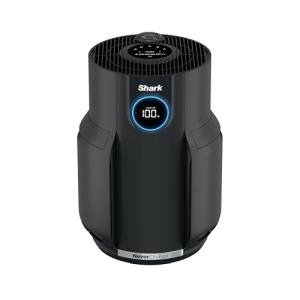
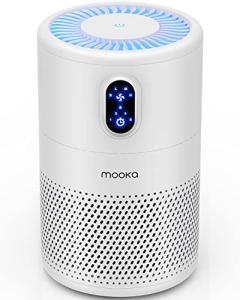
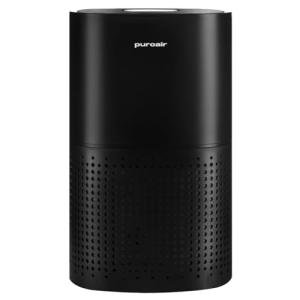
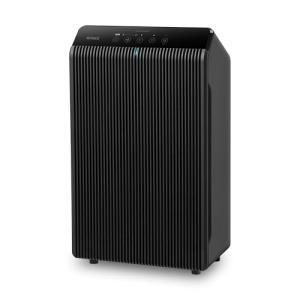
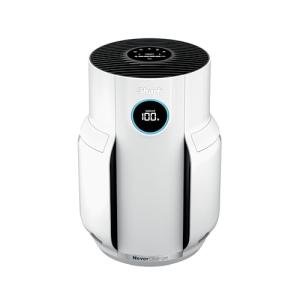
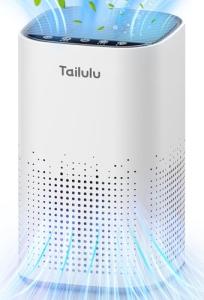
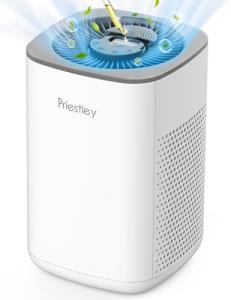
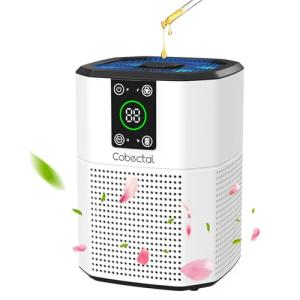
When selecting your Hepa Air Purifiers , you must verify the CADR rating (ensuring it matches your room size), choose the appropriate filter stack (HEPA + Carbon + Pre-filter), and confirm the smart features integrate with your home’s climate controls.
Essential Variations and Size/Capacity
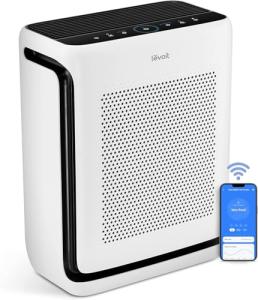
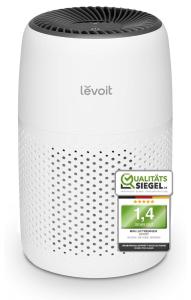
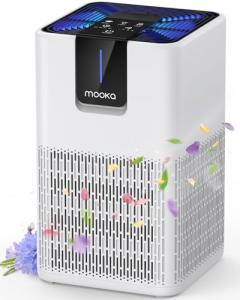
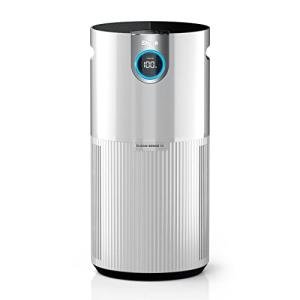
Hepa Air Purifiers are primarily categorized by their size and CADR rating, which determines the maximum size of the room they can clean effectively:
-
Small/Desktop Purifiers (Personal Use):
-
Pros: Designed for personal spaces (bedrooms, cubicles) up to 200 sq. ft. They are portable, quiet on low settings, and consume minimal power, maximizing Energy Efficiency .
-
Cons: Insufficient for large living areas. Requires placing multiple units for whole-house coverage.
-
US Lifestyle Context: Ideal for a student’s dorm room or a bedside table in a suburban bedroom, ensuring clean, immediate air quality during sleep hours.
-
Large Room/Whole Home Purifiers:
-
Pros: Rated for spaces 400 sq. ft. and up. These Hepa Air Purifiers feature powerful fans and multiple filter stages, offering superior air turnover (high CADR). They are essential for open-plan living areas or large basements.
-
Cons: Larger physical footprint, higher fan noise at maximum setting, and higher power consumption during active use.
-
US Lifestyle Context: Necessary for open-concept kitchens and living rooms in modern US homes where pets or frequent cooking create high levels of particulates and odors.
-
Smart Features and Monitoring:
-
Pros: Look for integrated Laser Particle Sensors (LPS) that provide precise, real-time feedback on PM2.5 levels. Filter life monitoring sends accurate replacement alerts. This ensures the unit runs efficiently and effectively, maintaining 24/7 Monitoring of air quality.
-
Cons: Smart purifiers are generally more expensive than basic models.
Compatibility Protocols
For seamless automation that drives efficiency, Hepa Air Purifiers must reliably connect to your home network and climate control devices.
-
Wi-Fi Connectivity: Standard for all smart models, enabling direct control via the app and cloud-based data logging. This is crucial for secure Remote Access to check air quality.
-
Smart Ecosystem Integration: Look for compatibility with Voice Assistants (Alexa, Google) and open protocols like Matter. Integration allows the purifier's air quality status to trigger corrective actions from other devices, such as ventilation fans.
-
Filter Life Monitoring: The system must actively track filter usage based on runtime and measured pollutant levels, providing accurate replacement timing to ensure the HEPA filter maintains its effectiveness.
3. 🛠️ Installation and Setup Walkthrough
Installing Hepa Air Purifiers is simple plug-and-play. The main setup challenge is positioning the unit for maximum airflow and calibrating the air quality sensor.
Pre-Installation Preparations
-
Placement: Identify the room size and ensure the purifier's CADR rating matches. Place the purifier centrally in the room, several feet away from walls or furniture to ensure unrestricted airflow in and out (360-degree intake is common).
-
Filter Prep: Remove the plastic wrapping from all HEPA and carbon filters before placing them inside the unit. Failure to remove the wrapping will damage the motor and prevent filtration.
-
App Activation: Download the manufacturer's mobile app and connect the purifier to your Wi-Fi network.
Installation Guide (Typical Smart Purifier)
-
Power Up: Plug the Hepa Air Purifiers into a non-switched wall outlet. The unit will power on, and the air quality sensor will begin its initial reading cycle.
-
Connect and Calibrate: Use the app to connect the unit to your Wi-Fi. Allow 30 minutes for the internal air quality sensor to stabilize and establish a baseline reading for your home's air.
-
Set Auto Mode: Enable "Auto Mode." The purifier will use its sensor data to automatically adjust the fan speed, maintaining healthy air levels while maximizing Energy Efficiency .
-
Test Remote Access: Use the app via Remote Access to manually change the fan speed, check the current PM2.5 level, and view the remaining filter life.
-
24/7 Monitoring: Set up critical alerts for sudden spikes in PM2.5 or VOC levels (e.g., from burning food or chemicals), ensuring continuous 24/7 Monitoring of indoor air health.
Troubleshooting Common Issues
-
Issue 1: Purifier Runs Constantly on High Speed.
-
Issue 2: Remote Access Fails After Fan Speed Change.
-
Issue 3: High Energy Consumption.
4. Advanced Automation and Maximizing Value
The integrated sensing of Hepa Air Purifiers makes them powerful triggers for climate and light automations focused on comfort and air management.
Powerful Automation Scenarios
-
Air Quality Intervention: The purifier's sensor detects a sudden spike in VOCs (e.g., from painting or cleaning). An automation instantly maximizes the fan speed to clear the air and triggers an alert via Remote Access . Simultaneously, the system can flash a Smart Lighting accent strip blue to visually signal the air quality event.
-
Occupancy-Based Energy Efficiency: You integrate the purifier with a Motion/Presence Sensors . When the sensor detects you have left the room, the purifier automatically switches to its lowest, most Energy Efficiency fan setting until you return. This saves power when filtration isn't immediately required.
-
Filter Status and Schedule: The purifier sends a "Filter Life 10%" alert ( 24/7 Monitoring ). An automation adds "Order HEPA Filter" to your shared Smart Planners/Calendars , ensuring timely maintenance and continuous air quality protection.
Longevity & Maintenance
The longevity of Hepa Air Purifiers relies on consistent filter maintenance and stable operation. Never wash a true HEPA filter (it must be replaced). Adhere strictly to the filter change schedule reported in the app. Ensure the power cord is secure, as continuous power is needed for the motor and 24/7 Monitoring . Promptly install firmware updates; updates often improve sensor accuracy and Energy Efficiency algorithms.
5. COMPLEMENTARY CATEGORY RECOMMENDATIONS
| Recommended Categories |
Why This Category Is Useful Specifically for This Product |
Short Usage Scenario |
| Air Quality Monitors |
This is the integrated sensor technology that provides the core PM2.5 and VOC data for the purifier to automate its fan speed. |
The internal sensor detects a smoke spike and increases the purifier fan speed immediately. |
| Smart Power |
Smart plugs and outlets are used to control the power schedule and monitor the purifier's consumption for Energy Efficiency . |
Plugging the purifier into a Smart Wall Outlet allows you to monitor its power draw on high vs. low settings. |
| Motion Presence Sensors |
Sensors detect room occupancy, triggering the purifier's fan speed based on usage to save energy. |
A motion sensor detects the user leaving the room, and the purifier switches to low-power mode. |
| Humidifiers |
Optimal humidity levels aid breathing; the purifier works in tandem with humidifiers/dehumidifiers for total indoor air quality control. |
High humidity detected by the purifier's sensor triggers a separate smart dehumidifier to turn on. |
| Voice Assistants |
Voice control provides the most convenient, hands-free method for adjusting fan speed and checking air quality status. |
Commanding, "Hey Google, set the air purifier to max speed," controls the device instantly. |
| Smart Planners Calendars |
The purifier's filter life monitoring status is integrated into the planner for maintenance scheduling. |
The app adds "Replace HEPA Filter" to the shared Smart Planners/Calendars list. |
| Smart Lighting |
Lighting can be automated to provide a visual indicator of air quality status (e.g., green for good, red for poor). |
The purifier detects poor air quality, and the Smart Light Strips in the room glow red. |
| Central Hubs |
The hub integrates the purifier's status with other systems (like HVAC fans controlled by Z-Wave switches). |
The central hub links the purifier's VOC alert to open a smart window vent. |
Hepa Air Purifiers are the definitive solution for achieving a measurably cleaner, healthier home environment, actively removing harmful pollutants and allergens. They provide continuous 24/7 Monitoring of your air quality, offer significant Energy Efficiency via intelligent auto modes, and grant seamless control via Remote Access . By choosing a smart HEPA unit, you invest in verifiable health benefits and a cleaner home. Breathe easier and smarter—choose Hepa Air Purifiers today.