Creating a quiet, balanced environment is about more than just muffling sound; it is about controlling how energy moves through a room. Whether setting up a home office, a recording studio, or a home theater, the right treatment prevents echoes from bouncing off hard surfaces. This guide explores how different materials and designs help achieve professional-grade clarity and comfort.
Acoustic Panels
Enhance your sound quality and give your space a stylish touch with our acoustic panels
Product List

Decorative Acoustic Wall Panels
Soon Global
Product Review Score
4.54 out of 5 stars
197 reviews$129.99
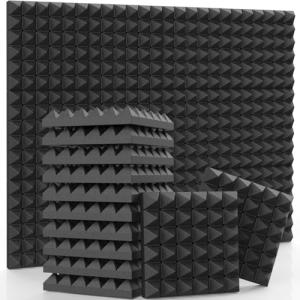
12x12 Acoustic Foam Panels 24 Pack
Sd Sodoct
Product Review Score
4.42 out of 5 stars
27 reviews$37.99
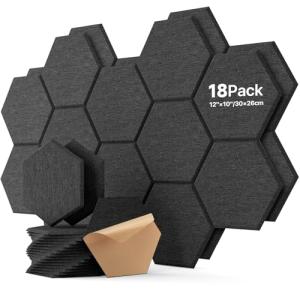
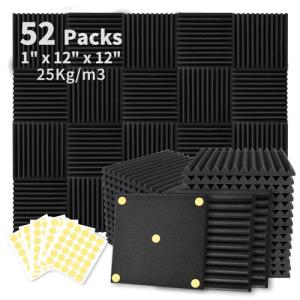
52 Pack Acoustic Foam Panels
Focusound
Product Review Score
4.98 out of 5 stars
86 reviews$54.99 $36.99
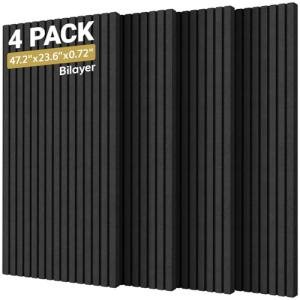
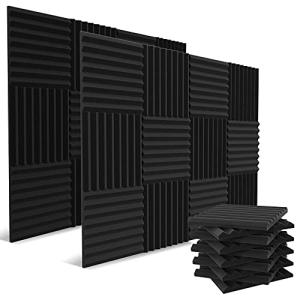
Audiosoul 52 Acoustic Foam Panels
Audiosoul
Product Review Score
4.71 out of 5 stars
128 reviews$45.00 $34.95
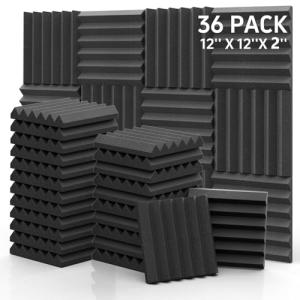
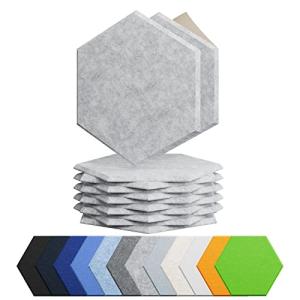
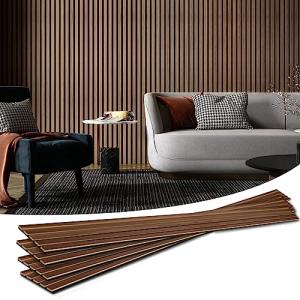
Walnut Acoustic Noise Panels
Art3D
Product Review Score
4.5 out of 5 stars
189 reviews$199.99 $135.91
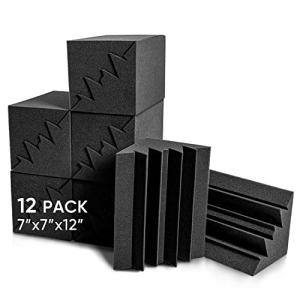
Soundproof Foam Panels 12-Pack
Sonic Acoustics
Product Review Score
4.19 out of 5 stars
90 reviews$26.95
💡 Practical Usage Tips
- Placing panels at the "first reflection points" on side walls will drastically improve vocal clarity and stereo imaging.
- If using foam panels that arrive vacuum-sealed, allowing them to sit in a well-ventilated room for 48 hours ensures they regain their full shape and effectiveness.
- For a more permanent and professional look, mounting wood-slat panels onto furring strips creates an air gap that helps trap deeper frequencies more efficiently.
- Mixing different textures, such as felt and wood, helps create a balanced room that sounds natural rather than completely "dead" or hollow.
✅ What to Look For & ⚠️ What to Avoid
Must-Haves:
- High-density materials, such as the 230kg/m3 polyester found in the Soon Global 6-Piece Set, provide much better sound absorption than thin, airy foams.
- A high Noise Reduction Coefficient (NRC) rating of 0.8 or higher is essential for significant echo reduction.
- Look for fire-retardant certifications like B1 Class to ensure the materials are safe for indoor residential or commercial use.
Red Flags:
- Be cautious of lightweight foams that have a strong chemical smell, as this indicates off-gassing which can be unpleasant in small spaces.
- Integrated adhesives can sometimes fail on textured walls or damage the drywall paper when you try to remove the panels later.
- Very thin panels, specifically those under 0.4 inches, often lack the mass required to handle anything other than high-pitched sounds.
🛡️ Build Quality & Performance
The physical construction of acoustic treatments generally falls into two camps: soft, open-cell polyurethane foam and rigid, heat-pressed polyester fiber. Foam panels are incredibly lightweight and easy to trim, making them a favorite for quick utility fixes. However, they are more susceptible to wear over time and can yellow if exposed to direct sunlight.
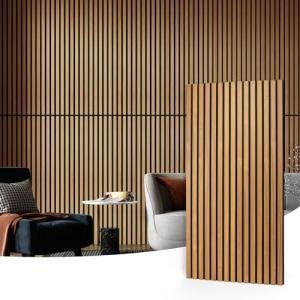
On the other hand, products like the RITOLLO 2-Piece Wood Wall Acoustic Panels offer a much more substantial build. These hybrid systems use heavy MDF slats on top of thick felt. This combination not only absorbs sound but also scatters it, preventing the room from feeling eerily silent while maintaining a high-end architectural look. The durability of these wood-veneer systems is far superior to foam, though they require much sturdier mounting hardware due to their weight.
🏆 Top Recommendations
| Best For | Model Name | Key Feature | Why It Wins |
|---|---|---|---|
| Design & Style | Art3D Wood Slat | Walnut Veneer | Combines absorption with beautiful diffusion. |
| Easy Install | Soundsbay 18-Pack | Self-Adhesive | Peel-and-stick modular honeycomb design. |
| Bulk Coverage | Focusound 52-Pack | Pyramid Profile | Huge surface area for massive echo reduction. |
❓ Frequently Asked Questions
Will these panels block noise from my neighbors?
No, these panels are designed for sound absorption (improving the sound inside the room) rather than soundproofing (blocking sound from entering or leaving). Blocking sound requires adding heavy mass to the walls themselves.
How many panels do I need for a standard room?
A common rule of thumb is to cover about 15% to 25% of the wall surface area to see a noticeable reduction in echo and reverb.
Do I have to soak foam panels in water to make them expand?
While most panels expand on their own within 48 hours, some stubborn units may require a quick soak in water followed by thorough drying to help the cells pop back into place.