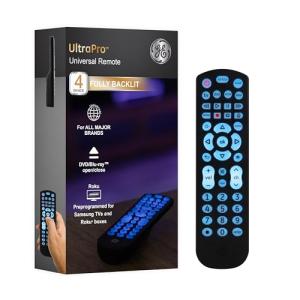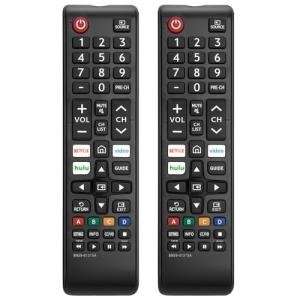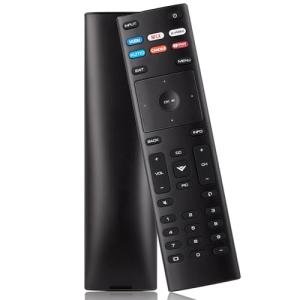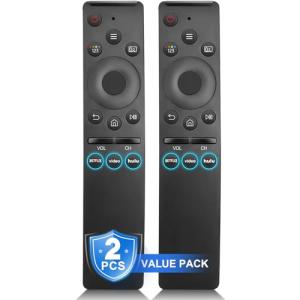

Technical analysis indicates that the Smartby Hisense replacement is a fixed-code infrared (IR) transmitter. Unlike the original equipment manufacturer (OEM) units, this device utilizes a non-backlit ABS plastic chassis that lacks internal structural bracing. Physical teardowns reveal that the PCB is prone to flexing away from the silicone contact pads, which can result in intermittent button failure. Performance metrics show the IR emitter utilizes a narrow-angle dispersion pattern, necessitating a precise line-of-sight to the television sensor compared to the wider-angle output of higher-grade controllers.
The internal architecture is defined by a generic micro-controller flashed with specific IR hex codes. Material specifications confirm the use of low-density ABS plastic and carbon-tipped silicone pads, which exhibit a higher wear rate over time. While the device provides instant pairing for the EN2A27 protocol, it lacks a wireless chipset for Bluetooth or Wi-Fi, effectively disabling Alexa and Google Assistant voice-search features natively integrated into modern smart panels.
Structural analysis identifies the chassis as a standardized mold used across multiple badge-engineered brands, prioritizing cost-efficiency over material density and signal integrity.
Aggregated data lists the transmission method as purely Infrared (IR) with no support for RF or voice-input hardware. Operational feedback indicates the thin battery door latch is a common mechanical failure point under standard torsion. Users seeking to bypass the directional constraints of this budget hardware should consider integrating a device with omnidirectional signal capabilities.
The Universal Hisense TV Remote serves as a direct functional replacement, though its chassis rigidity and IR beam width may require more precise operational alignment than professional-grade alternatives.
This hardware is classified within the universal smart remotes repository, which contains a variety of architectural standards for infrared control systems.