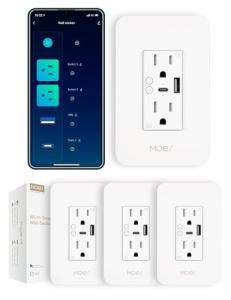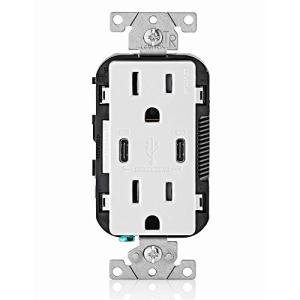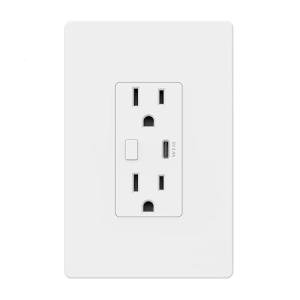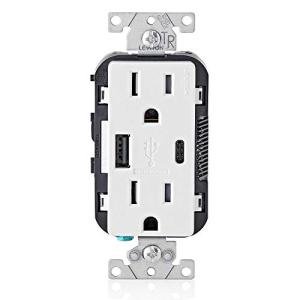

Technical specifications indicate that the Lumary Smart USB Wall Outlet utilizes a Tuya-based wireless chipset, specifically the ESP8266 or CB2S variant, which operates exclusively on the 2.4GHz frequency band. Material analysis confirms the internal traces are rated for a 15A resistive load, while the integrated DC transformer provides a shared 5V/3.1A output across the USB ports. Due to the absence of Power Delivery (PD) protocols, charging rates for high-capacity hardware such as laptops may be limited compared to standard mobile devices.
Hardware Performance and Architecture
Standardized testing protocols show that signal stability is contingent upon an RSSI value greater than -70dBm; values below this threshold may result in connectivity lapses requiring a manual reset. Performance metrics demonstrate that the physical chassis requires approximately 1.5 inches of internal depth, necessitating the use of high-capacity or deep junction boxes for installation. Aggregated specification data lists the following functional features:
- Modes of operation: Independent top outlet control, Independent bottom outlet control, and Always-on USB power.
Technical audits highlight reports of high-frequency resonance, or "coil whine," originating from the USB switching power supply during operation. Signal interference has been noted on mesh networks, specifically during the initial handshake process.
The Anyenjoy variant provides an alternative configuration with similar Tuya-based firmware but features a higher reported USB amperage ceiling which may benefit multi-device environments.
This unit is classified within the in-wall USB smart outlets infrastructure layer, serving as a primary node for localized power distribution and automation.