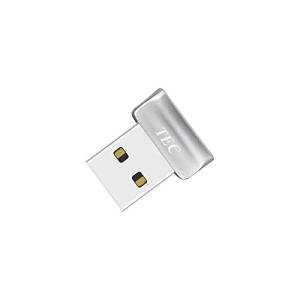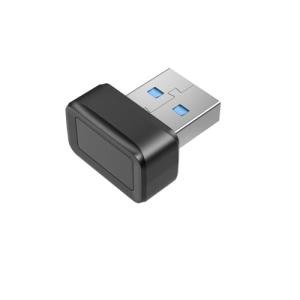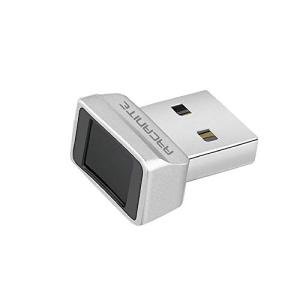

Technical specifications for the Kensington VeriMark Gen2 identify a Synaptics FS7600 series Match-in-Sensor™ chipset architecture. This design ensures that biometric templates remain within the encrypted hardware module, precluding the transmission of sensitive data to the host RAM. Material analysis confirms a high-density polymer construction with gold-plated USB-A contact points for high-cycle usage.
Performance metrics indicate comprehensive support for FIDO2, WebAuthn, and U2F standards, enabling hardware-backed authentication for both local OS login and web-based services. The hardware-level anti-spoofing logic is engineered to reject 2D and 3D synthetic fingerprint replicas.
Aggregated data confirms that this device is designed for Windows Hello for Business (WHfB) specialized silicon environments, distinguishing it from generic consumer-grade biometric keys.
Operational protocols suggest disabling "selective suspend" in Windows power management to prevent wake-up latency. The device is currently restricted to Windows environments, requiring an adapter for use with USB-C only hardware, which may introduce signal interference if not properly shielded.
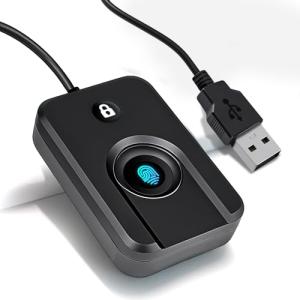
For workstations requiring a more substantial, weighted desktop presence, the Kensington VeriMark Desktop variant provides similar FIDO2 security within a tethered base.
The VeriMark Gen2 represents a high-security node within the usb fingerprint readers ecosystem, prioritizing encrypted "on-chip" processing.